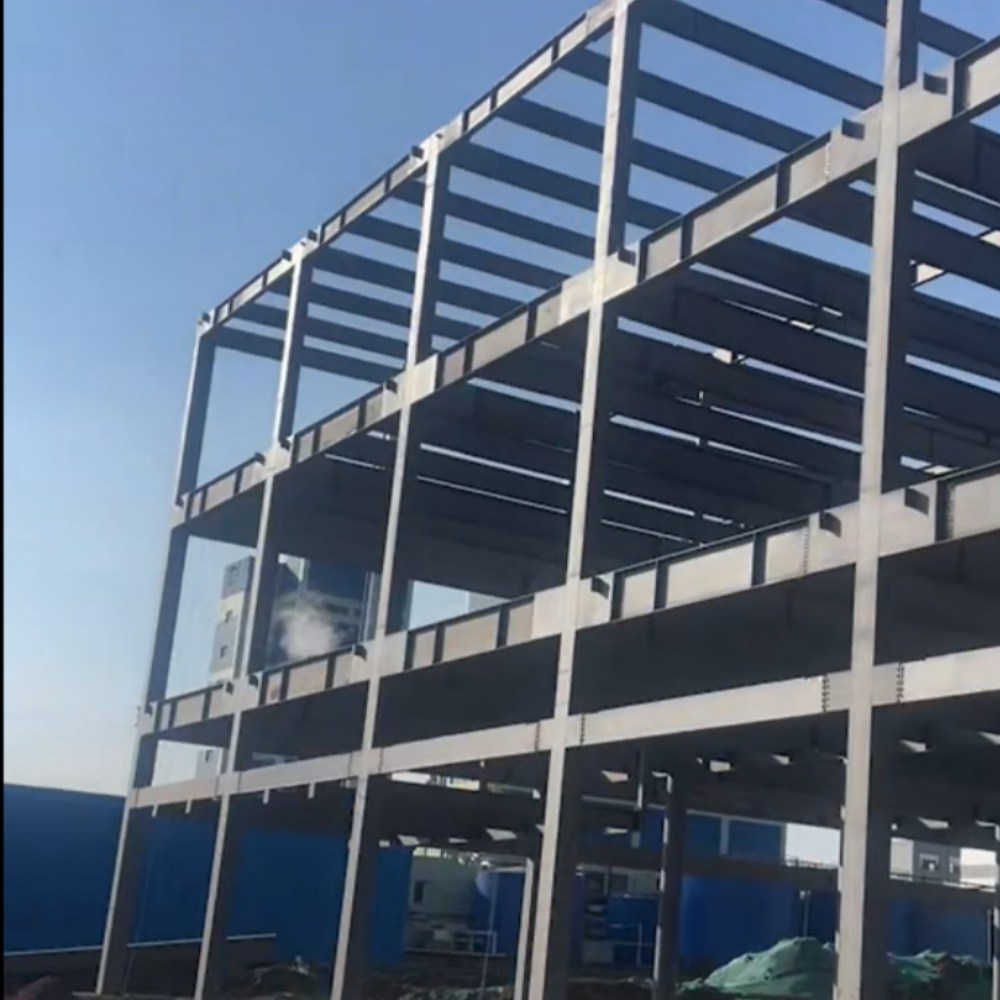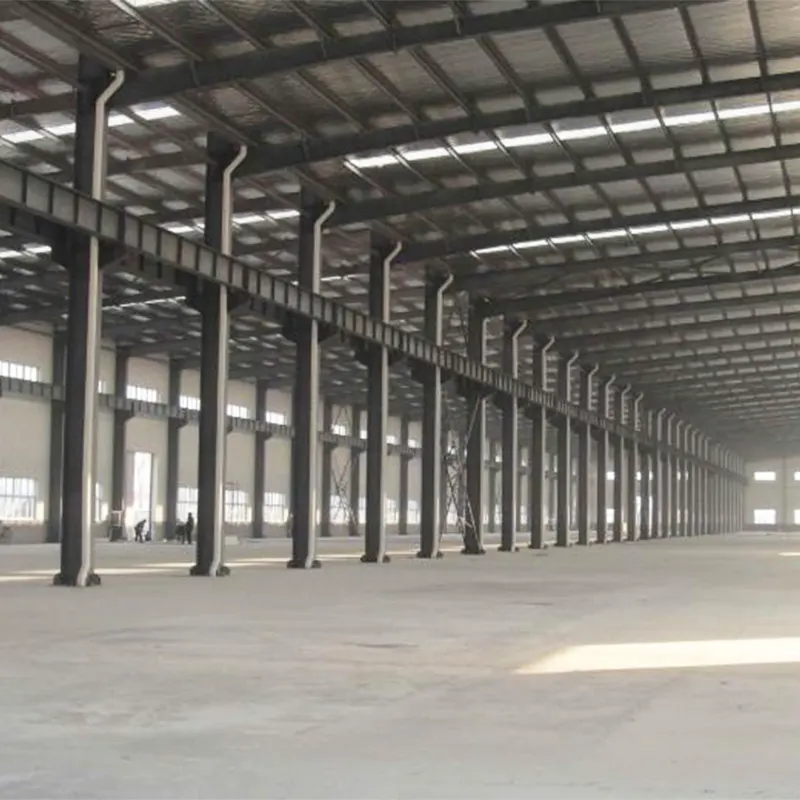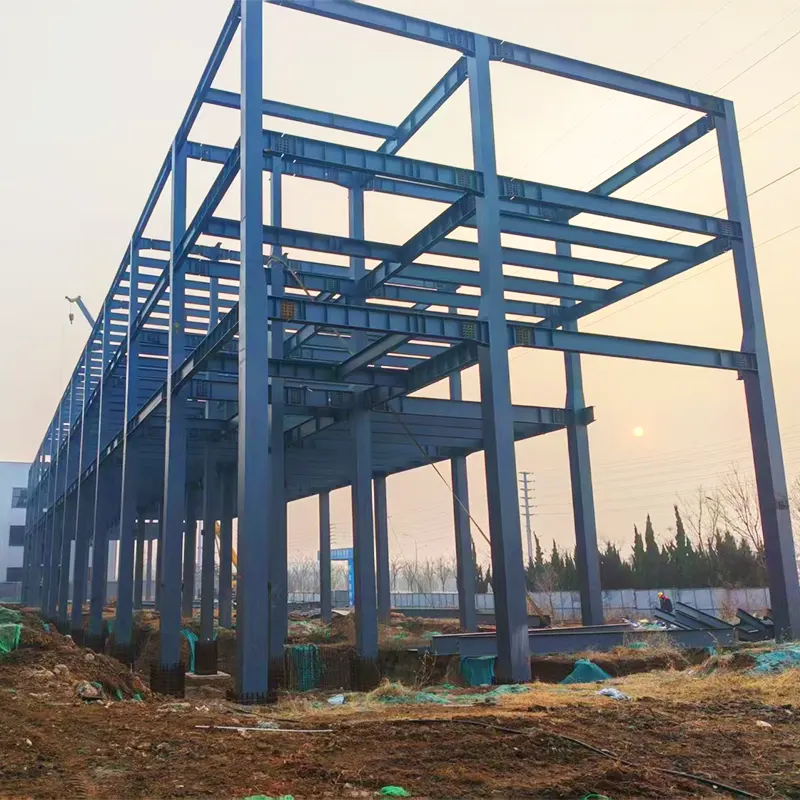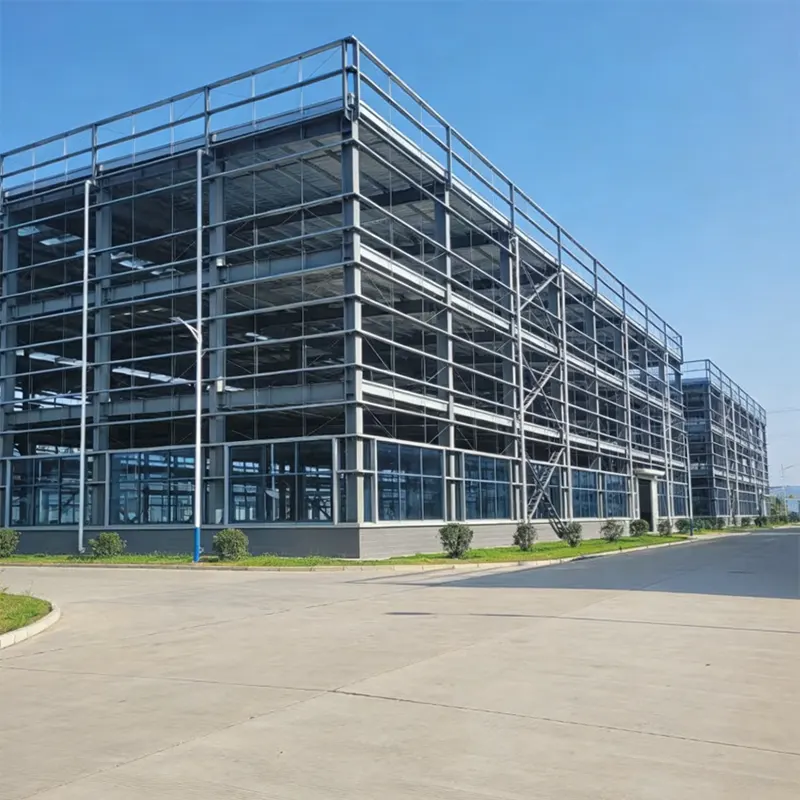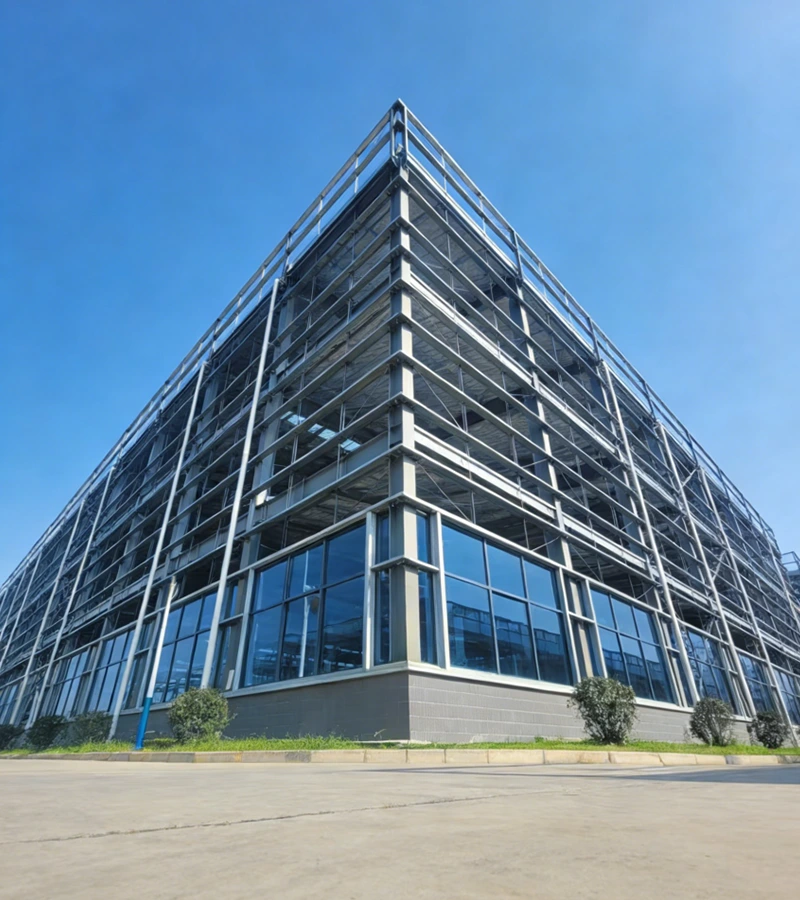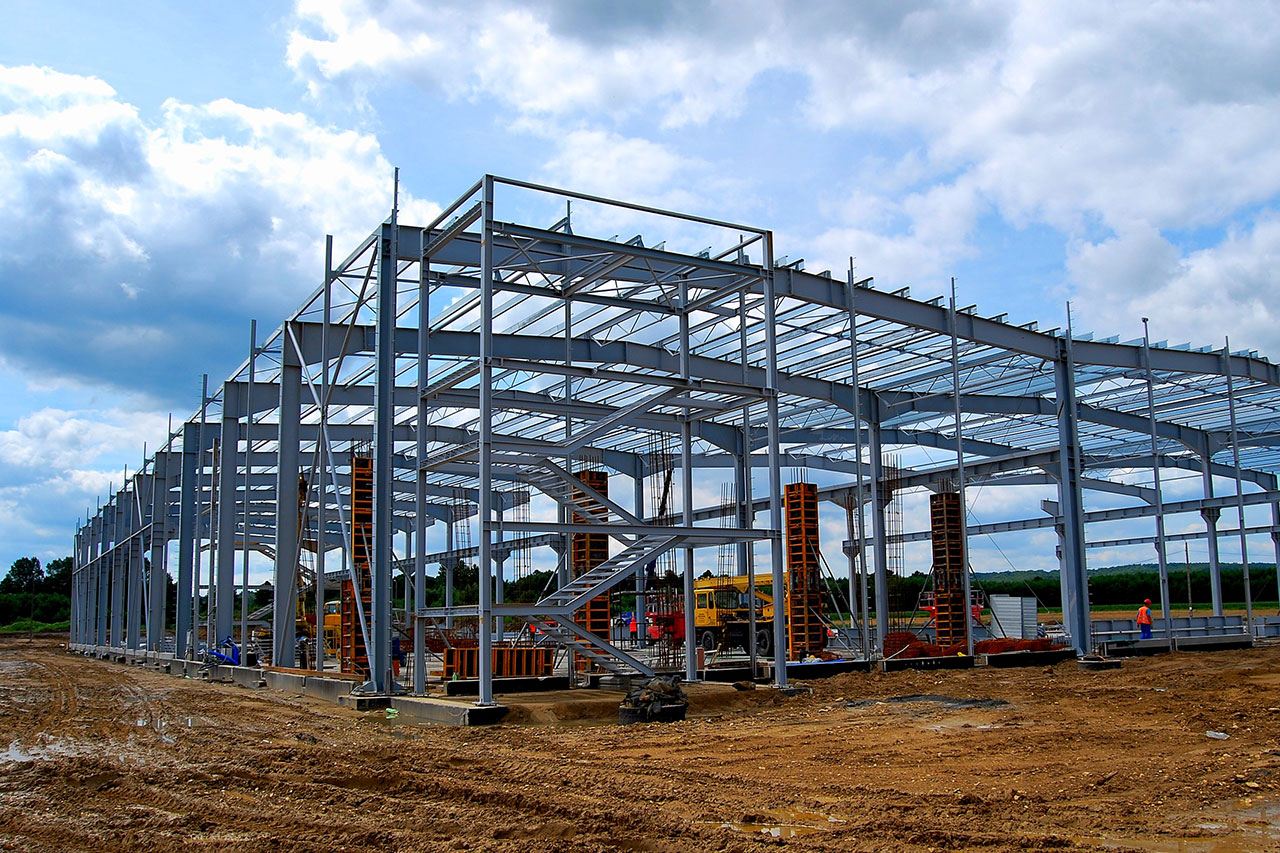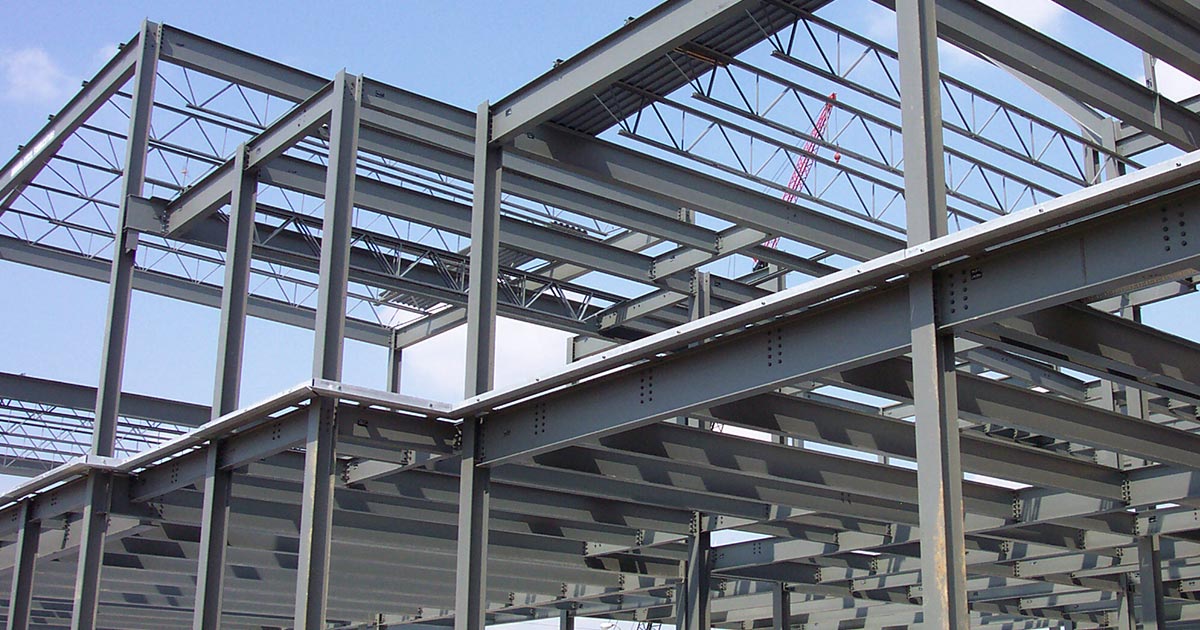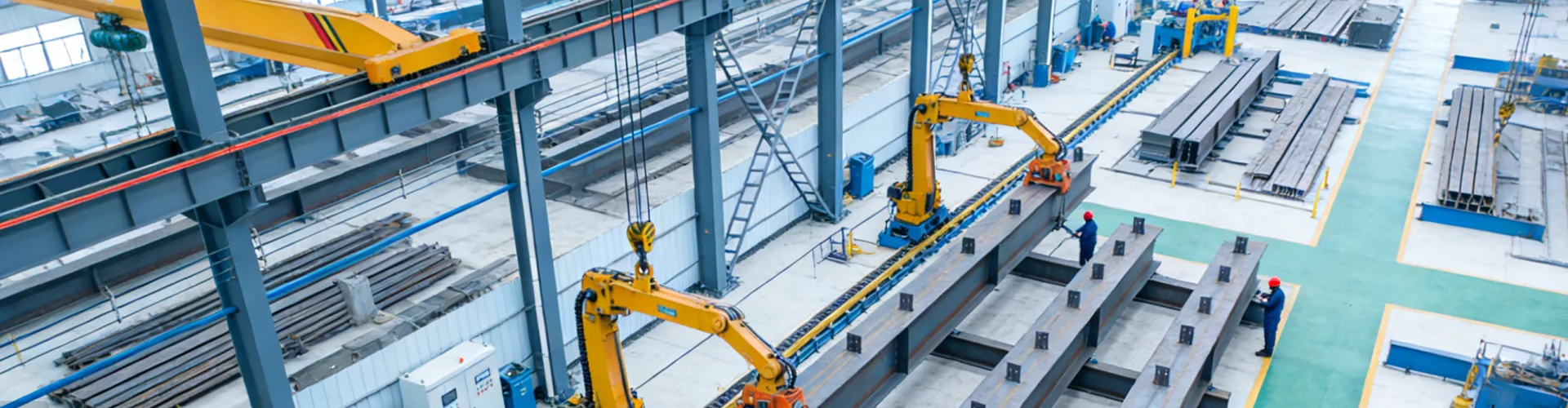
In today's fast-paced industrial landscape, maximizing space, ensuring durability, and achieving rapid project completion are not just advantages—they are imperatives. This is where the innovative design of the Multi-storey Steel Structure Industrial Building comes to the forefront. As a premier solution for manufacturing plants, warehouses, distribution centers, and multi-functional facilities, this construction methodology represents a significant leap forward from traditional concrete or single-story steel buildings. By building vertically, companies can dramatically increase their operational footprint without expanding their land use, a critical factor in urban and high-value industrial zones. The inherent strength, flexibility, and speed of erection associated with steel make it the material of choice for forward-thinking businesses. At Newforge, we have refined this approach, engineering buildings that are not only structurally superior but are also tailored to optimize workflow, logistics, and long-term operational efficiency.
The performance of a multi-storey steel structure industrial building hinges on its precise engineering and high-quality components. Every Newforge building is designed using advanced software and adheres to stringent international standards, ensuring safety, reliability, and adaptability. Below are the key technical parameters that define our buildings.
Opting for a Newforge multi-storey steel structure industrial building delivers a compelling return on investment through numerous tangible benefits.
Q: What are the typical applications for a multi-storey steel structure industrial building?
A: These buildings are incredibly versatile. Common applications include multi-level manufacturing facilities, automated warehousing and distribution centers, cold storage plants, workshops with offices above, light industrial units, and R&D complexes. Their design is adaptable to nearly any industry requiring efficient, large-volume space.
Q: How does the construction speed compare to a reinforced concrete building?
A: It is significantly faster. While a concrete structure requires lengthy periods for formwork, pouring, and curing at each stage, a steel building's components are manufactured off-site. Once foundations are ready, the steel frame erection is like assembling a kit, with concurrent work on cladding and utilities. This can cut total construction time by half, allowing for earlier occupancy and return on investment.
Q: Is a steel building susceptible to fire? How is fire safety addressed?
A: While steel loses strength at high temperatures, modern fire protection methods are highly effective. Newforge buildings can be designed with various systems to meet required fire ratings (e.g., 1-hour, 2-hour). These include spray-applied fire-resistive materials (SFRM), intumescent coatings that expand when heated, and encasement in fire-rated boards or concrete. These measures ensure the structural integrity is maintained for a specified duration during a fire.
Q: Can these buildings be insulated for temperature control or soundproofing?
A: Absolutely. Insulation is a critical part of the building envelope. The most efficient method is using insulated metal sandwich panels for walls and roofs, which contain a core of rigid insulation (like PIR or rockwool). For soundproofing between floors, composite decks with concrete and additional acoustic mats can be used. Newforge provides solutions tailored to your specific thermal and acoustic performance requirements.
Q: What about corrosion resistance, especially in coastal or humid environments?
A: Corrosion protection is paramount. Newforge employs several strategies: using galvanized steel for secondary members, applying multi-layer paint systems (primer, intermediate, and top coats) on primary frames, and specifying higher-grade corrosion-resistant steels or additional coatings like zinc-rich primers for harsh environments. Regular maintenance inspections are also part of our guidance.
Q: How customizable is the exterior and interior design?
A: The design flexibility is extensive. Exteriors can be clad in various panel profiles and colors to match corporate branding. Facades can incorporate brick, glass, or other architectural elements. Internally, column-free spaces allow for complete layout freedom. Mezzanines, crane systems, specialized flooring, and utility distribution can all be integrated into the initial design.
Q: What is the role of Newforge in such a project from start to finish?
A: Newforge operates as a full-service partner. Our process encompasses initial consultation and feasibility studies, detailed engineering and design (including architectural integration), fabrication of all steel components in our controlled facilities, logistics management, on-site technical supervision for erection, and final commissioning. We ensure a single point of accountability and a seamless project flow.