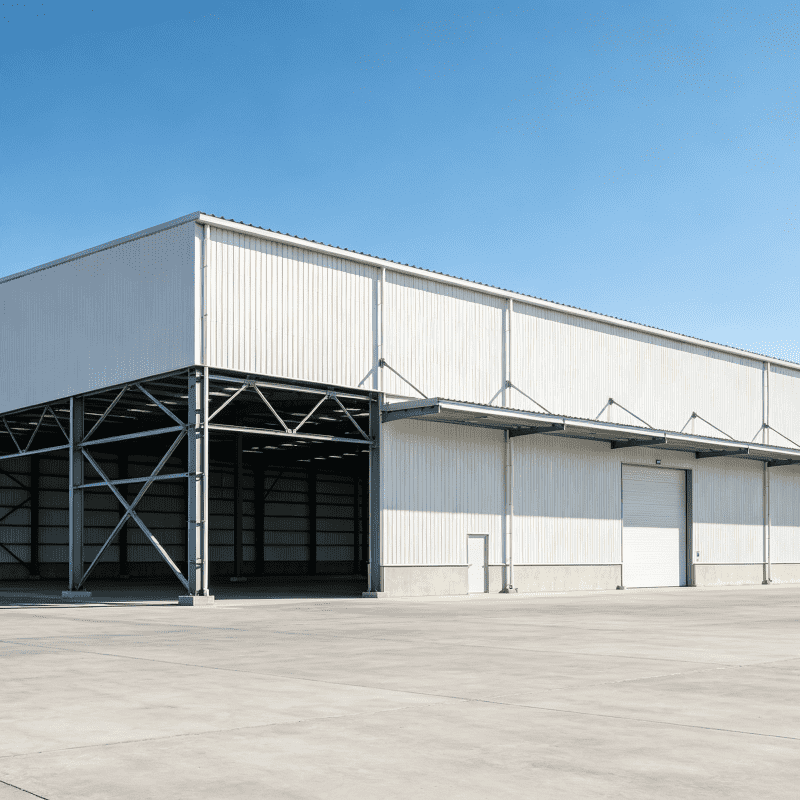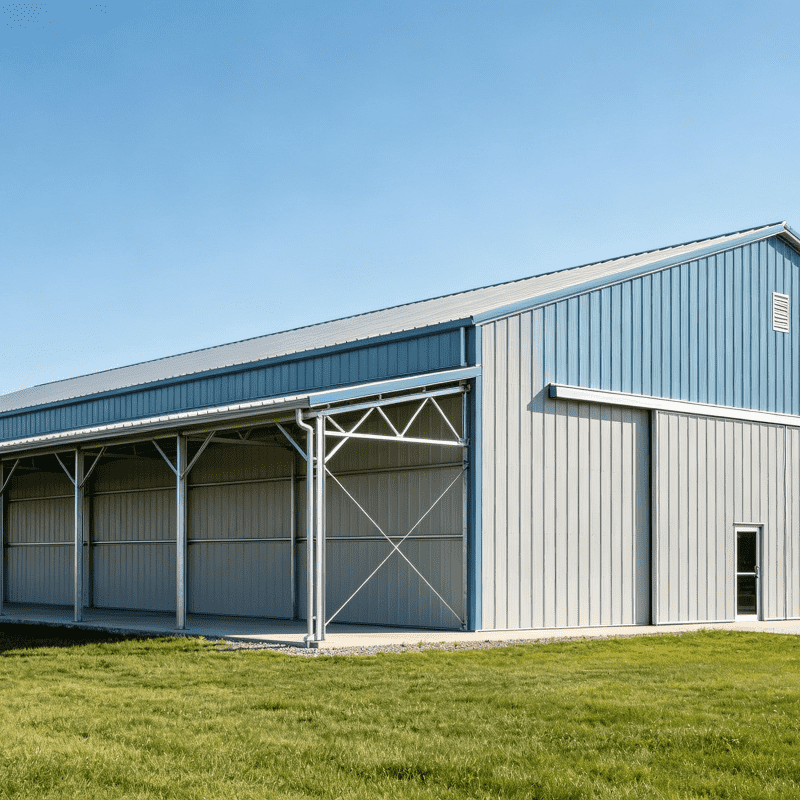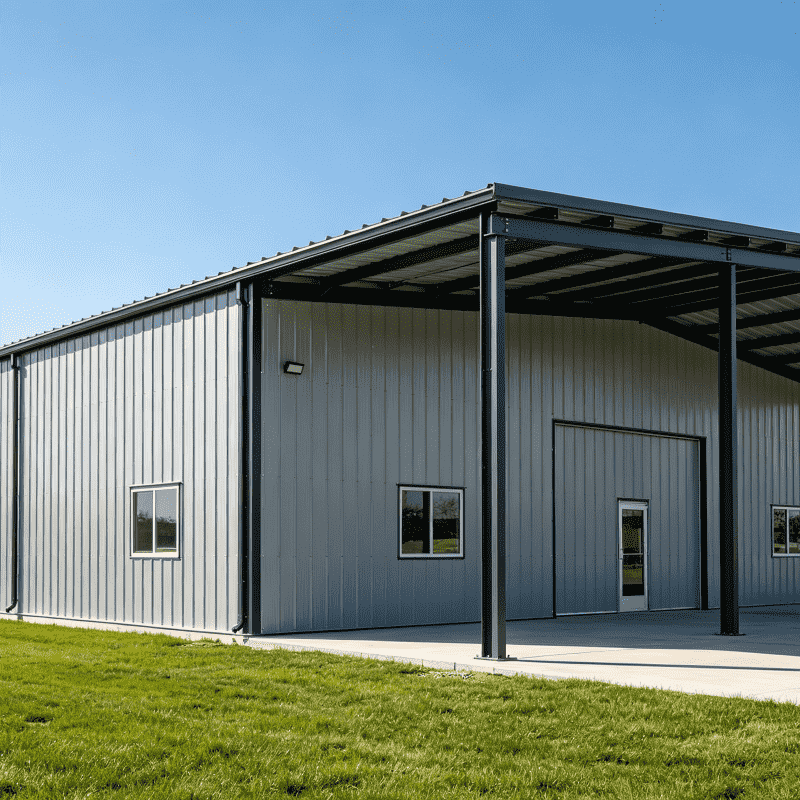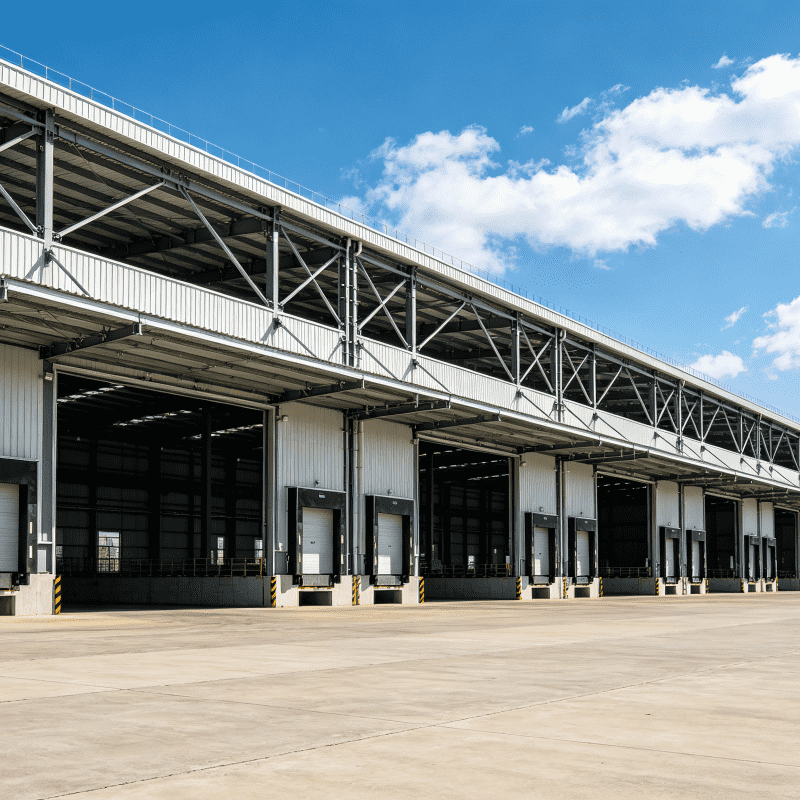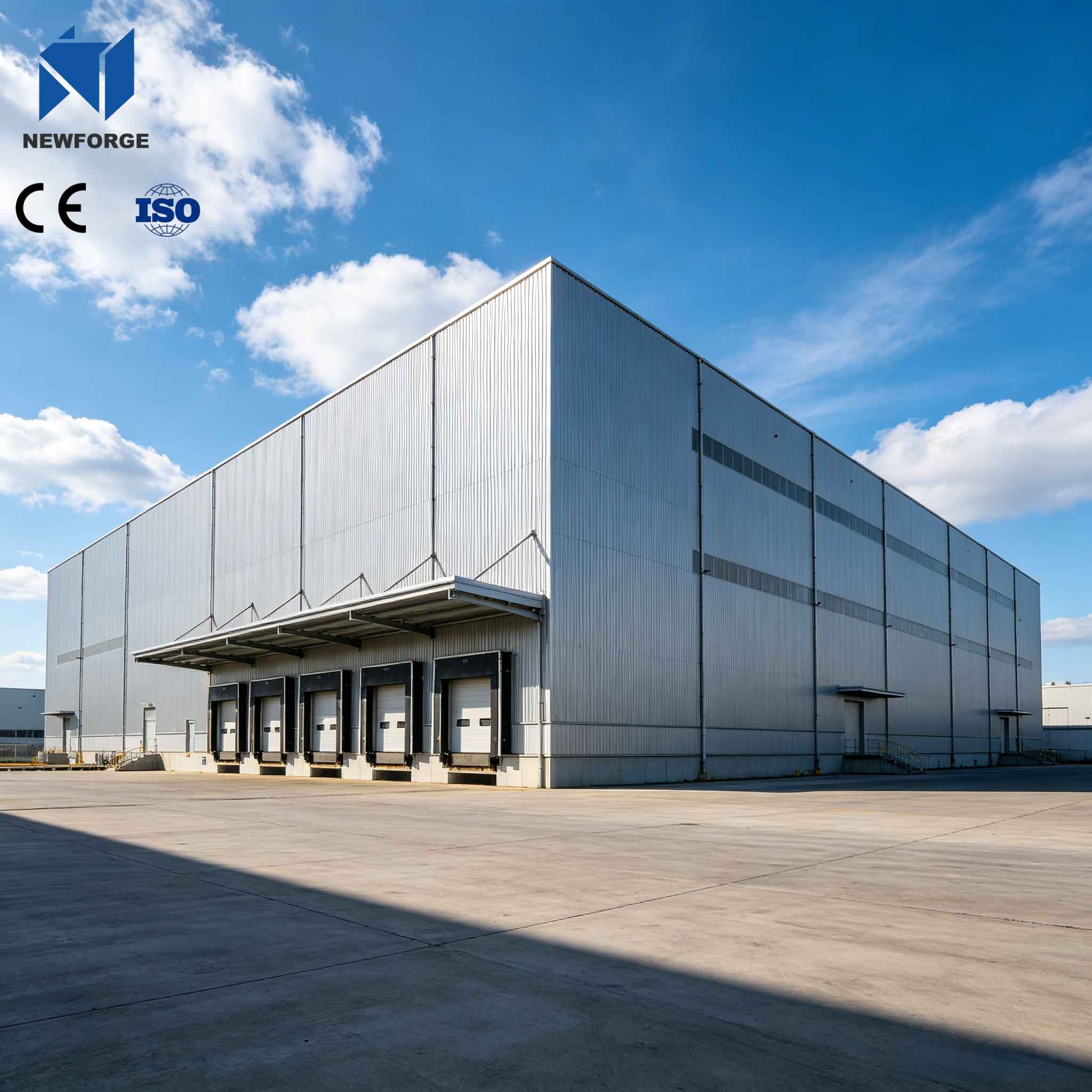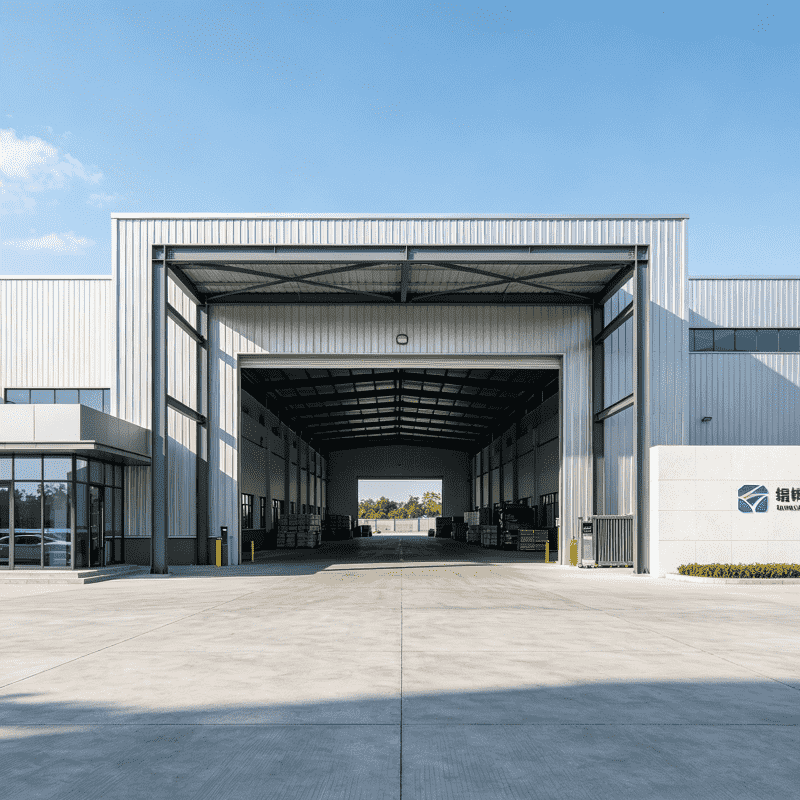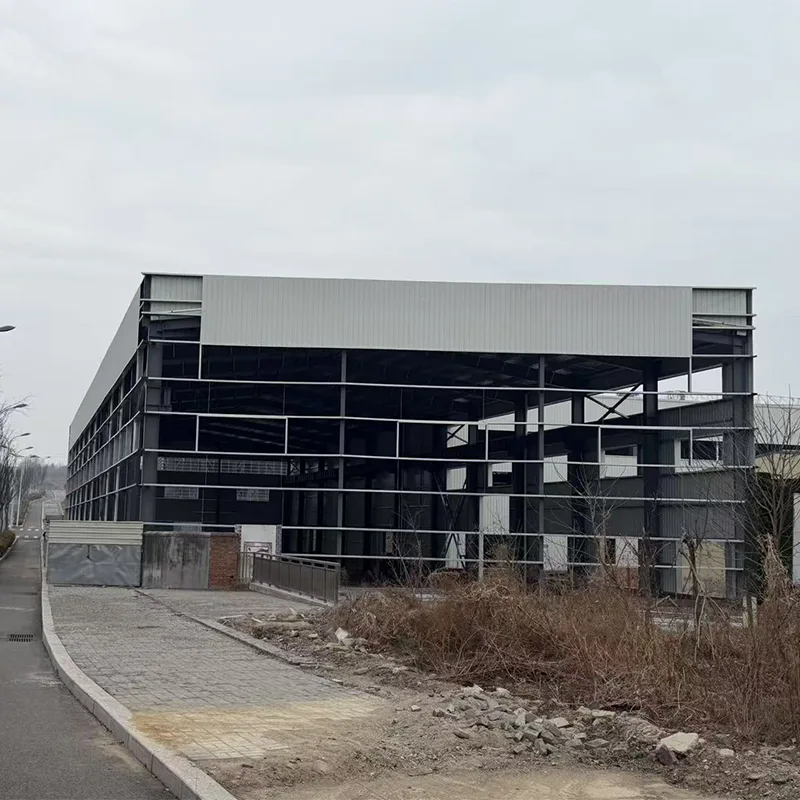
The landscape of logistics and industrial storage is built on a framework of strength, efficiency, and adaptability. In this arena, steel structure warehouse and logistics buildings have become the unequivocal standard. These engineered structures offer a superior solution for businesses seeking to optimize their operations, from expansive distribution hubs and manufacturing plants to specialized cold storage facilities and cross-dock terminals. Engineered for longevity, designed for flexibility, and constructed for performance, they represent a critical investment in a company's physical infrastructure and logistical capabilities. Newforge, leveraging decades of expertise in pre-engineered steel building systems, delivers solutions that are not just buildings, but strategic assets engineered to meet the rigorous demands of global commerce.
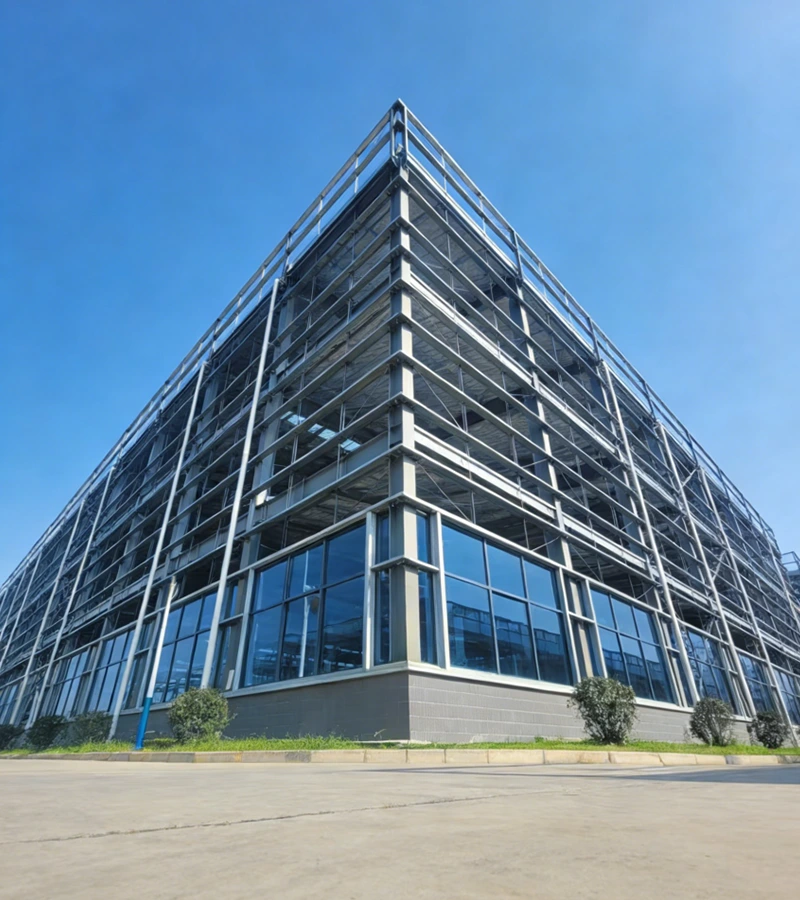
The superiority of steel as a primary construction material lies in its inherent properties. It provides an unmatched strength-to-weight ratio, allowing for vast, column-free interior spaces that maximize usable square footage and facilitate seamless movement of goods, machinery, and personnel. This design efficiency translates directly into operational efficiency. Furthermore, steel is non-combustible, dimensionally stable, and highly resistant to environmental degradation, pests, and mold, ensuring the integrity and safety of stored goods over decades of service. When combined with advanced insulation systems and modern cladding options, these buildings achieve exceptional energy performance and a professional aesthetic that enhances any industrial park or commercial zone.
Q: What is the typical construction timeline for a Newforge steel warehouse compared to a traditional concrete building?
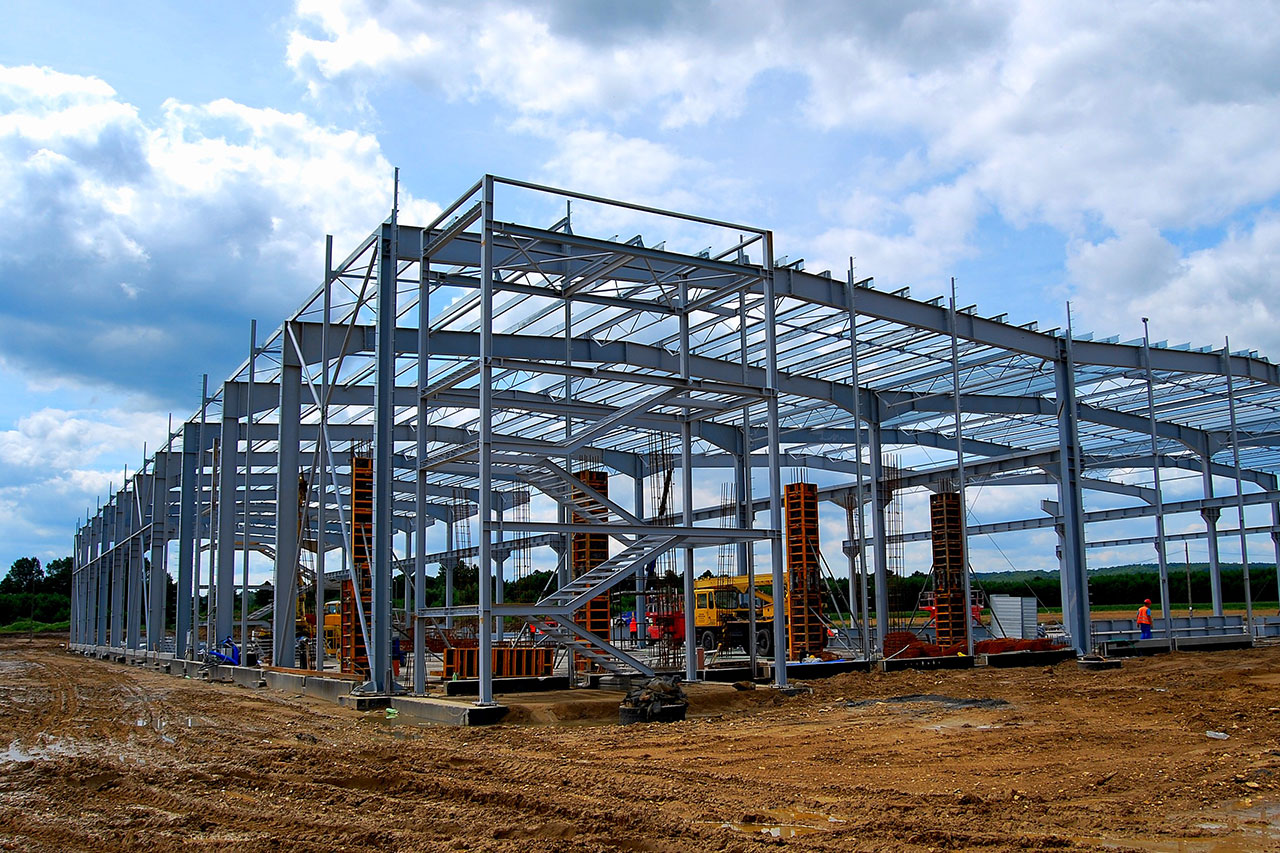
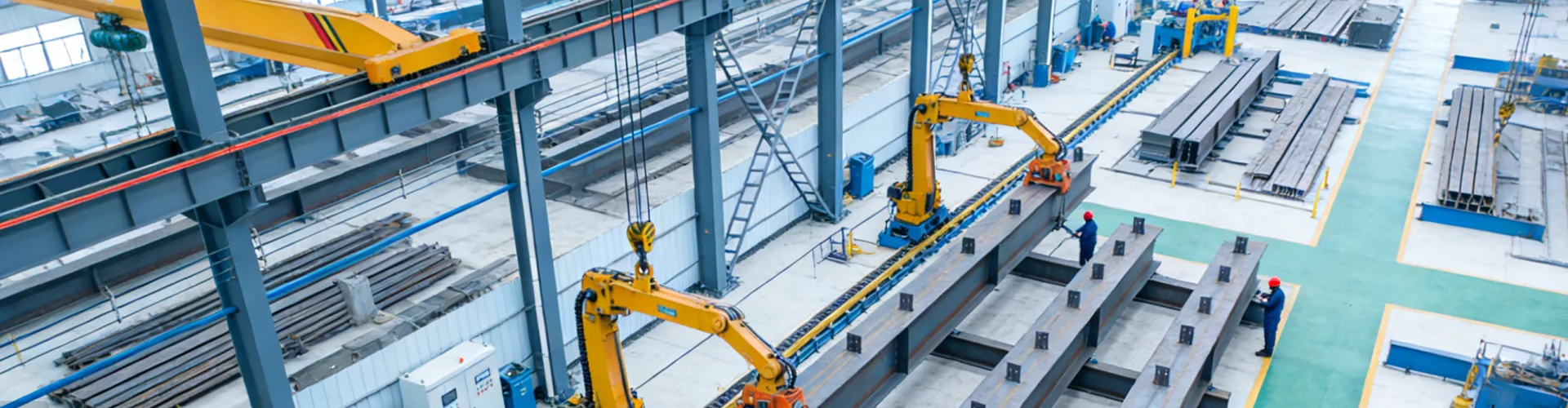
A: The timeline is significantly faster. For a standard-sized building, the process from finalized design to weathertight shell can be as short as 8-12 weeks for the steel structure erection, following foundation work. This is because all primary components are precision-engineered and prefabricated off-site. Traditional construction methods for a similar-sized concrete or masonry structure can take 6-12 months or more, subject to more weather delays and on-site labor dependencies.
Q: How energy-efficient can a steel warehouse be? Aren't metal buildings prone to condensation and temperature extremes?
A: Modern steel buildings are highly energy-efficient when properly designed. The key is a comprehensive insulation strategy. Newforge specializes in integrating high-performance insulation systems such as insulated metal sandwich panels or full-cavity insulation with vapor barriers. This minimizes thermal bridging, prevents condensation (which is a function of proper vapor control and ventilation, not the steel itself), and maintains stable interior temperatures. This reduces heating and cooling costs dramatically, making them suitable even for climate-controlled environments like cold storage.
Q: Can I expand my steel warehouse in the future?
A: Yes, one of the greatest advantages of pre-engineered steel buildings is their inherent expandability. The modular design allows for relatively straightforward extensions in length by adding additional bays, or in width by modifying end walls and extending the primary frame. Planning for potential future expansion during the initial design phase is recommended to ensure the most cost-effective and structurally sound outcome.
Q: What kind of foundation is required for a steel structure warehouse?
A: Steel buildings are versatile and can be erected on various foundation types, most commonly concrete piers (for column bases) or a monolithic concrete slab-on-grade. The specific foundation design is determined by the local soil conditions, building loads, and seismic requirements. A geotechnical report is typically required, and our engineering team provides the necessary anchor bolt plans and loading data for your local civil engineer to design the appropriate foundation.
Q: Are steel warehouses customizable for specific logistics operations, like cross-docking or automated storage and retrieval systems (AS/RS)?
A: Absolutely. Customization is at the core of the Newforge approach. For cross-docking facilities, we design buildings with minimal interior obstructions, multiple high-speed doors on opposite sides, and optimized traffic flow layouts. For AS/RS integration, we engineer structures to accommodate precise column grid layouts, specific floor flatness tolerances, and the dynamic loads imposed by high-bay racking and robotic systems. Every aspect, from door placement to mezzanine levels and crane systems, can be tailored.
The versatility of the Newforge system allows it to serve a wide spectrum of logistics and industrial applications. Each project is engineered with the specific operational workflow in mind.