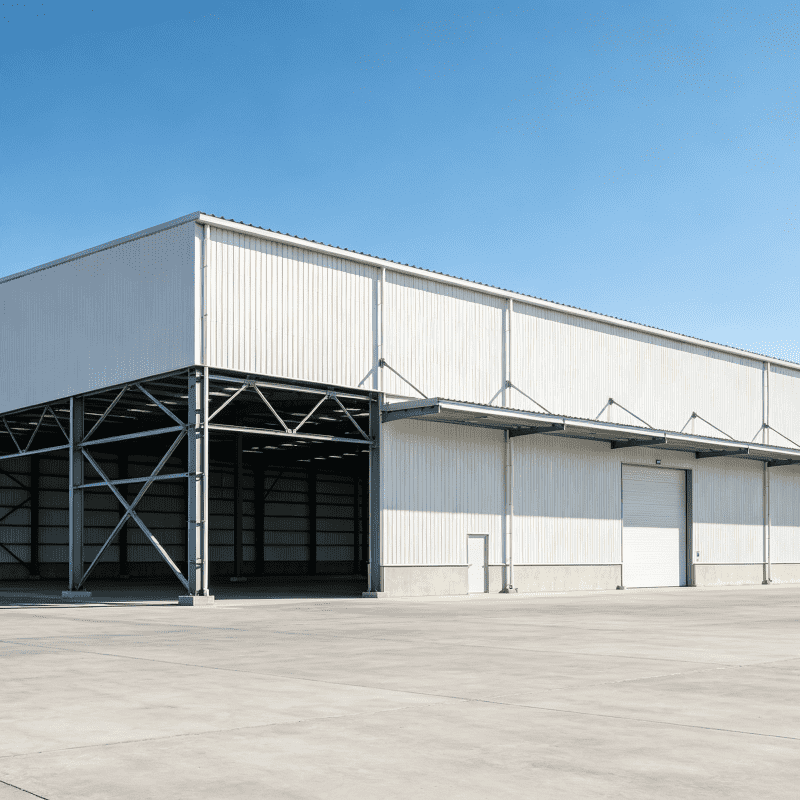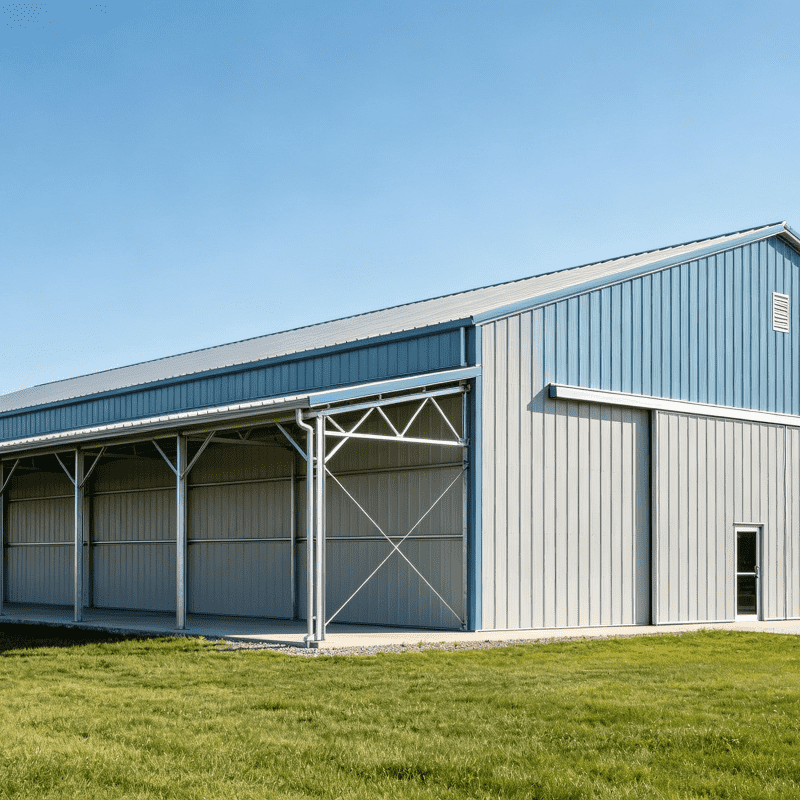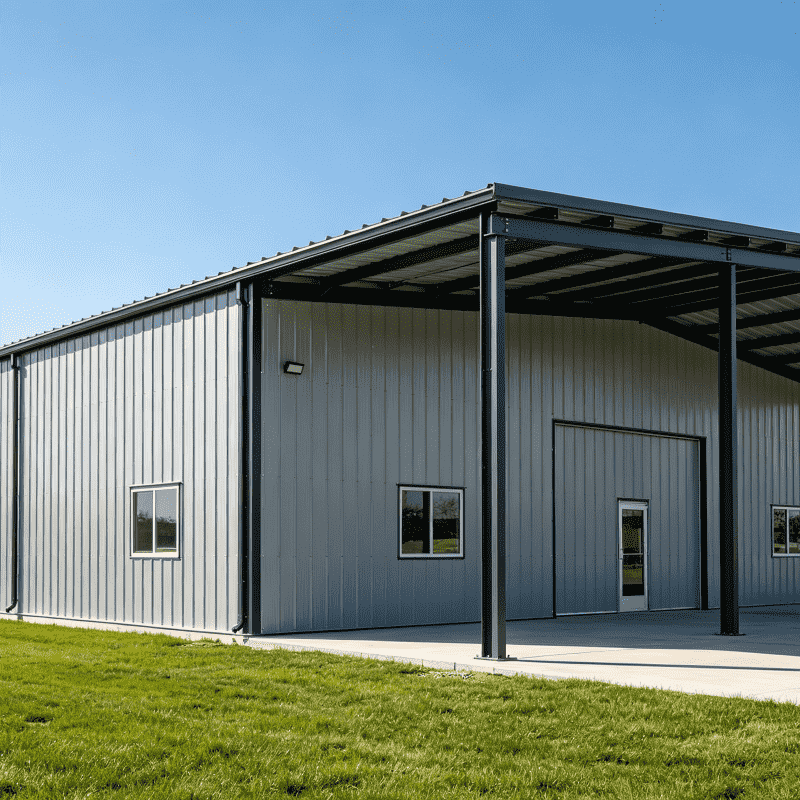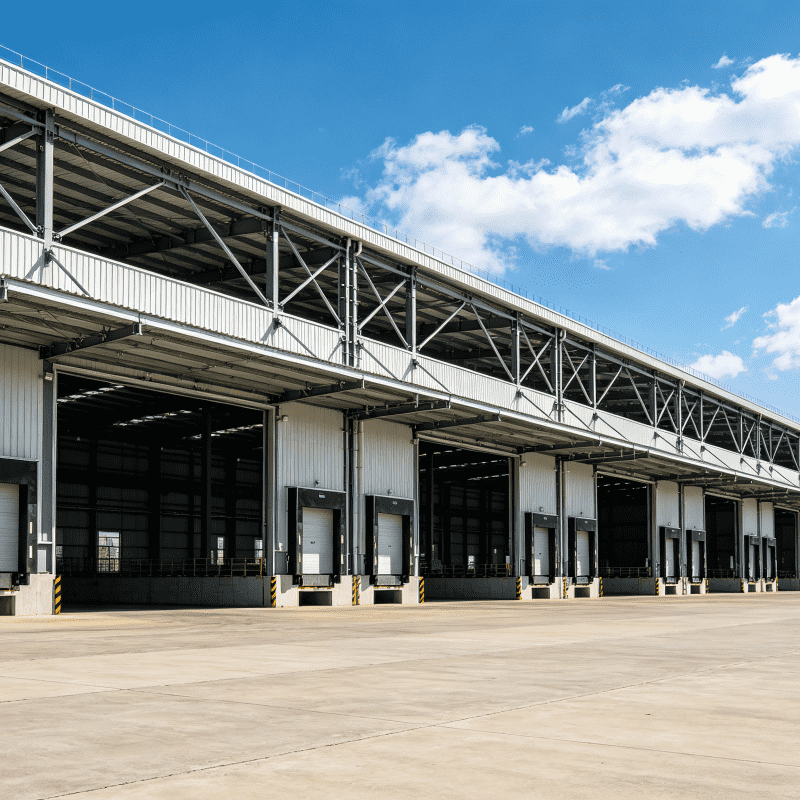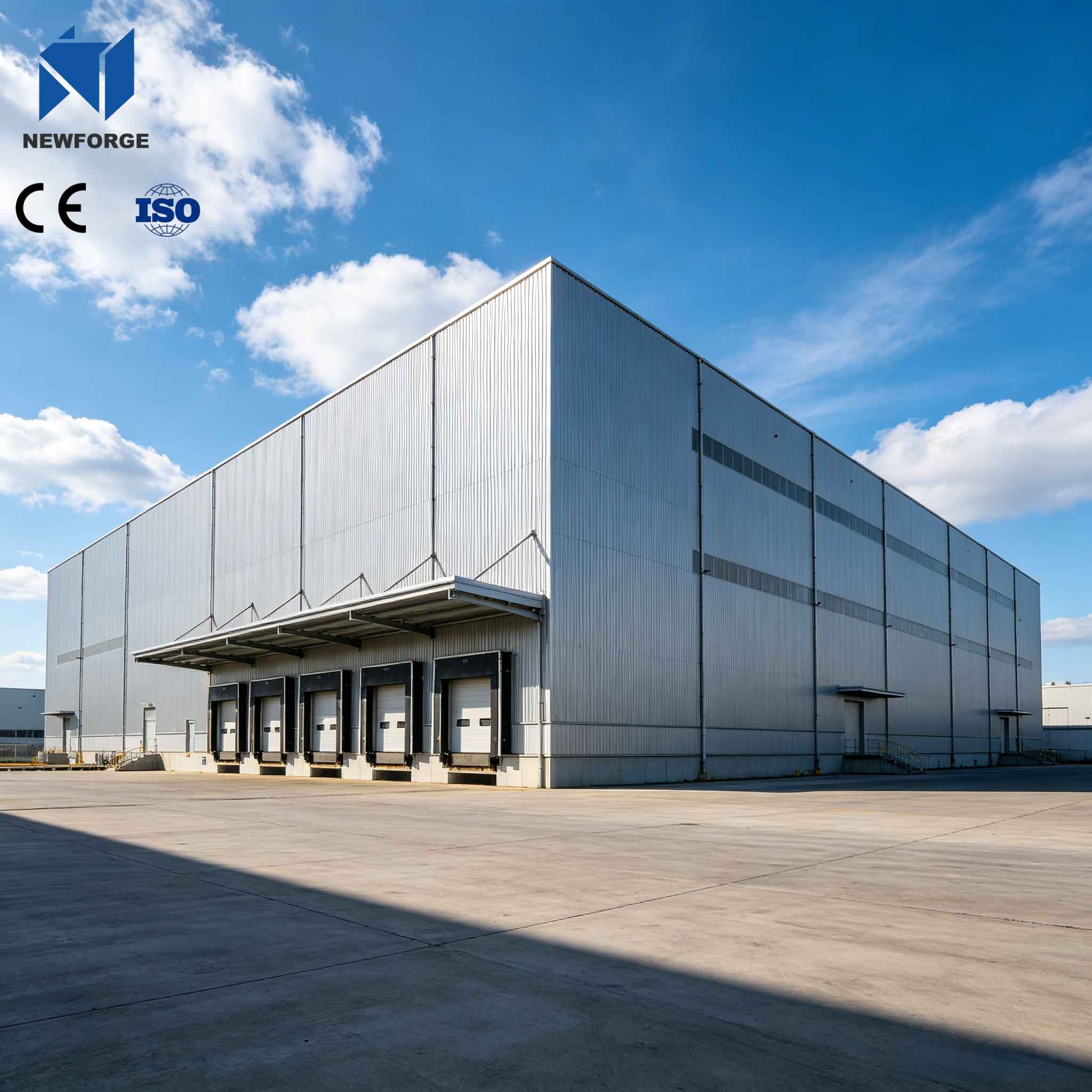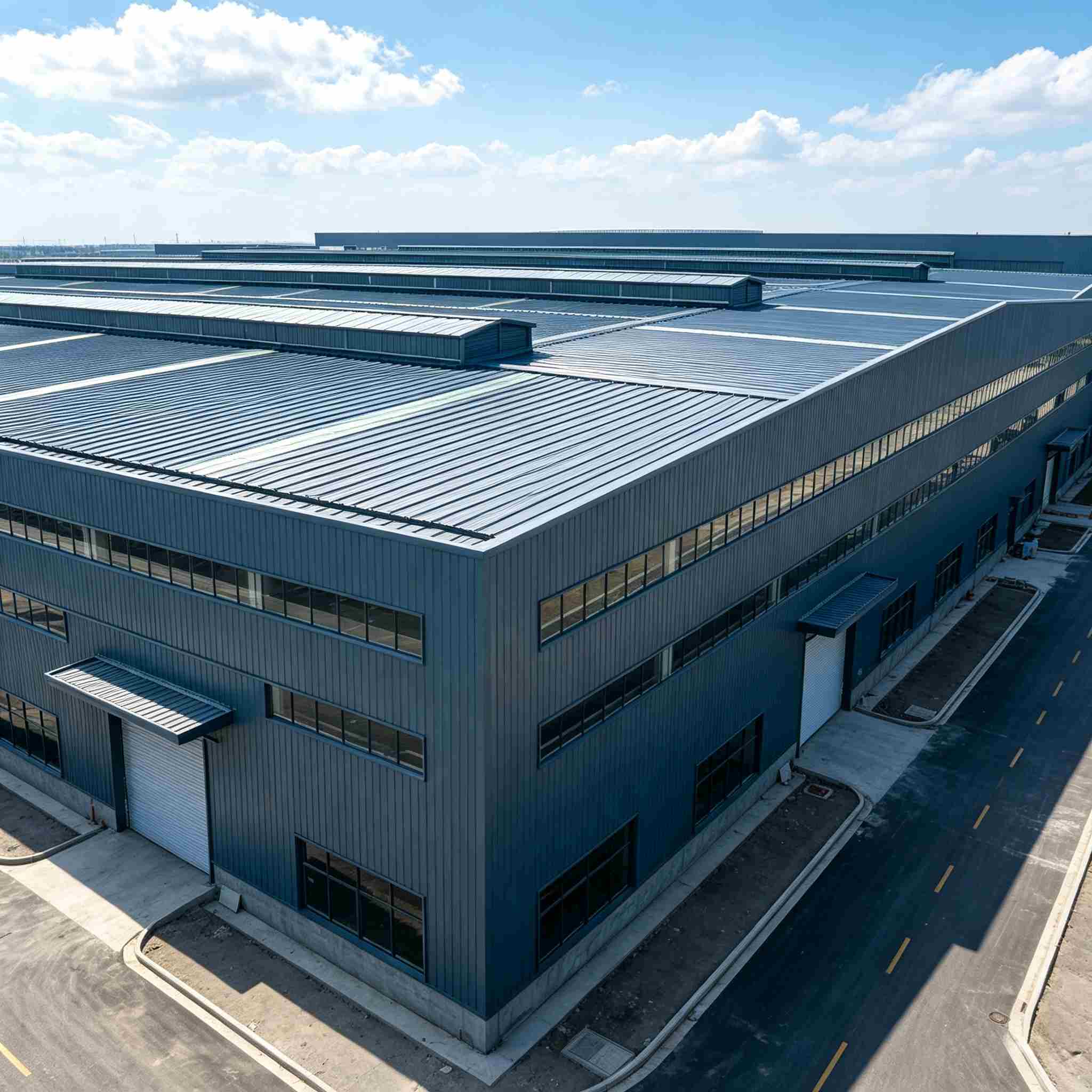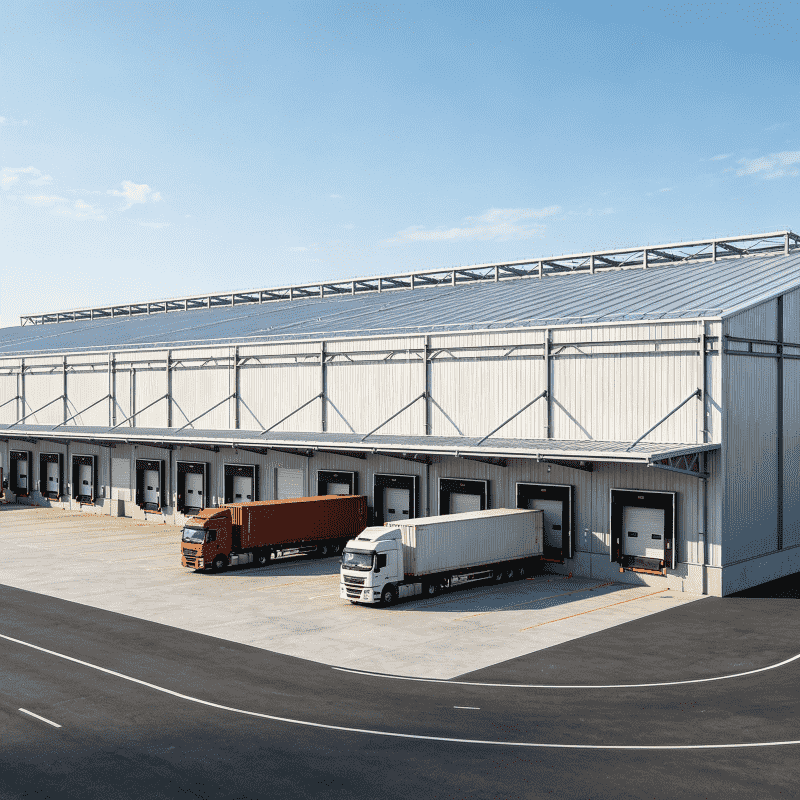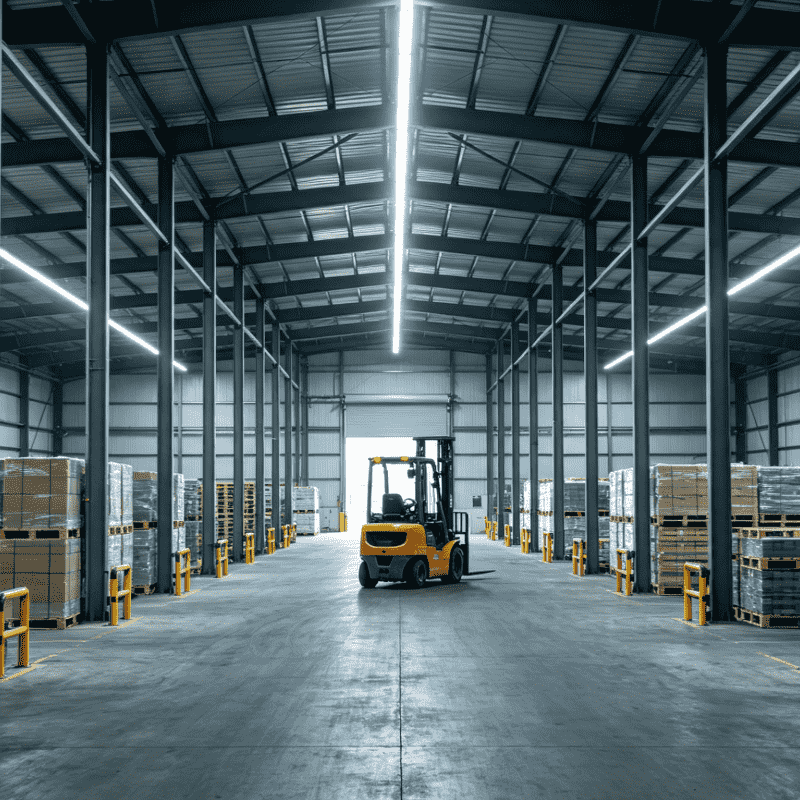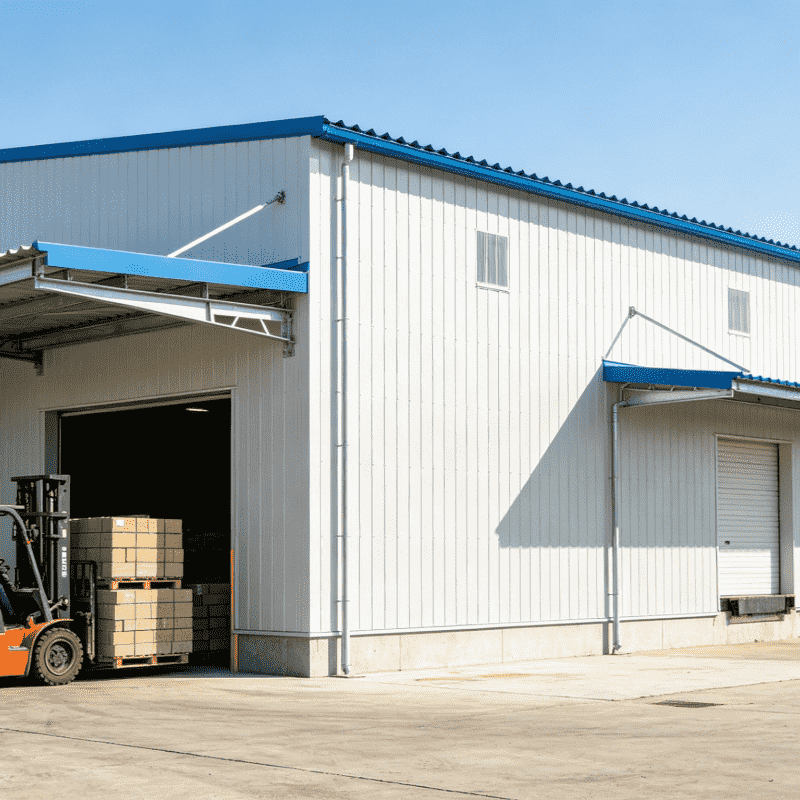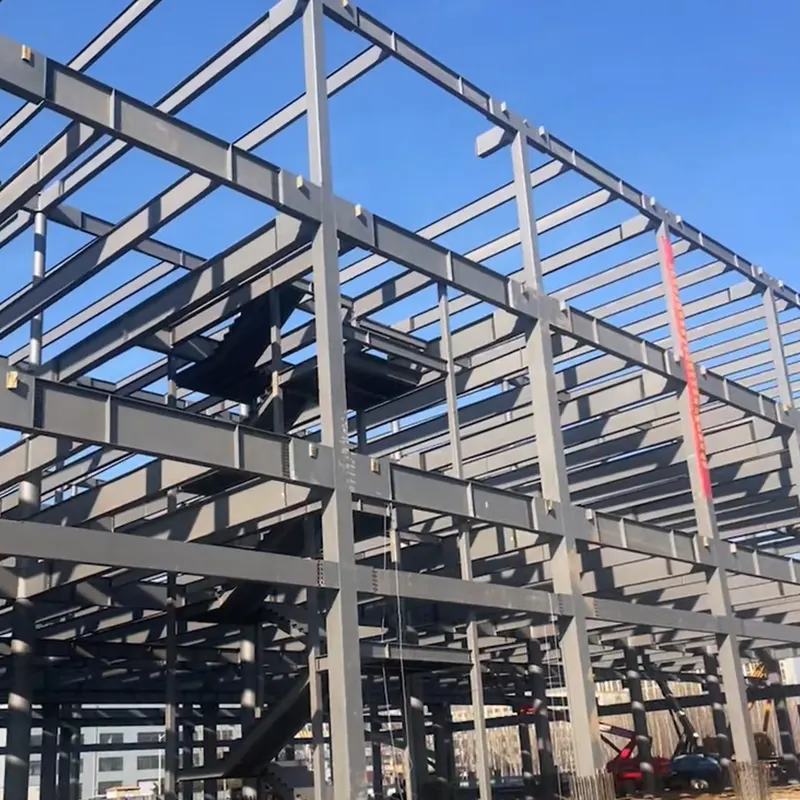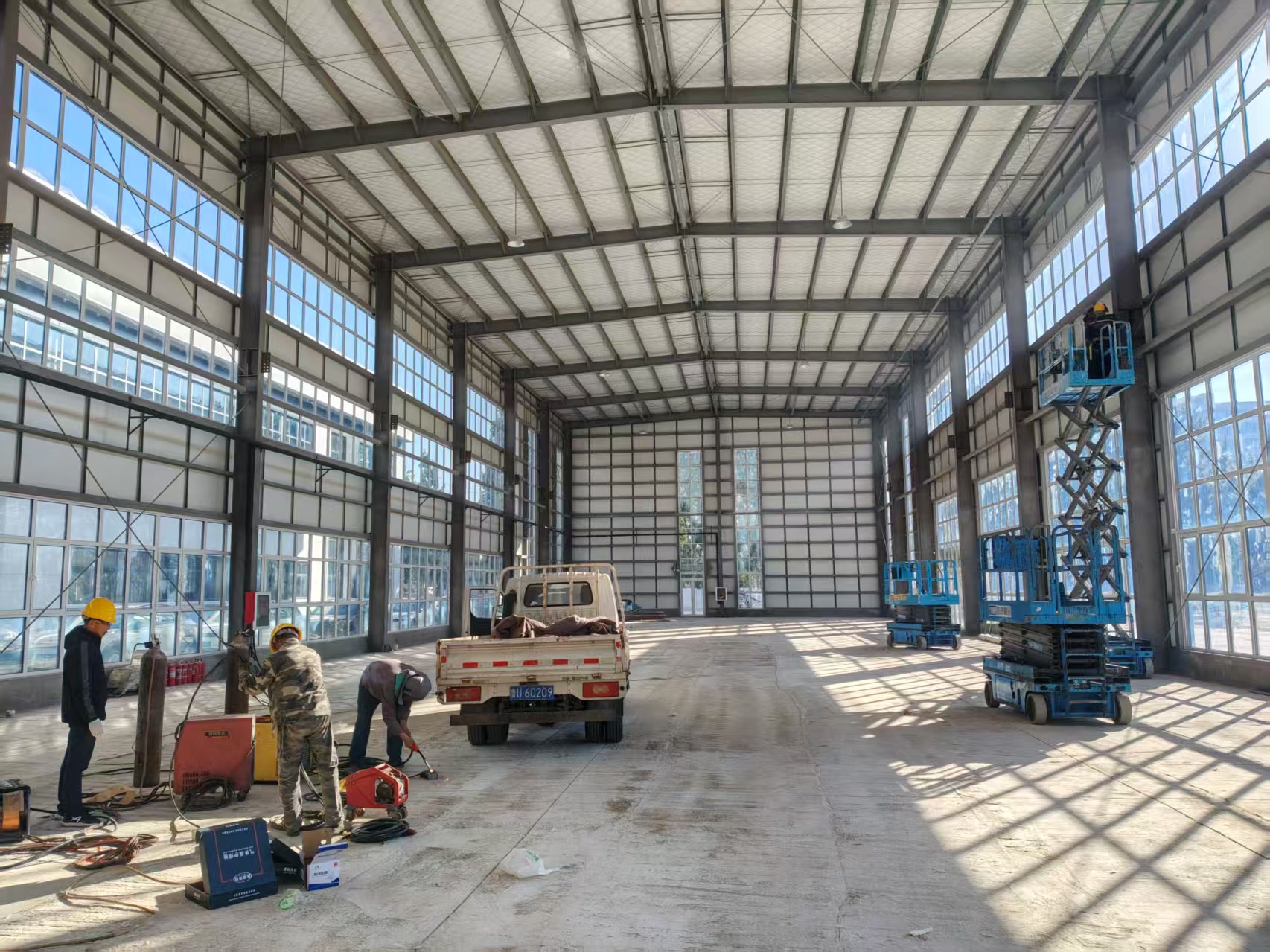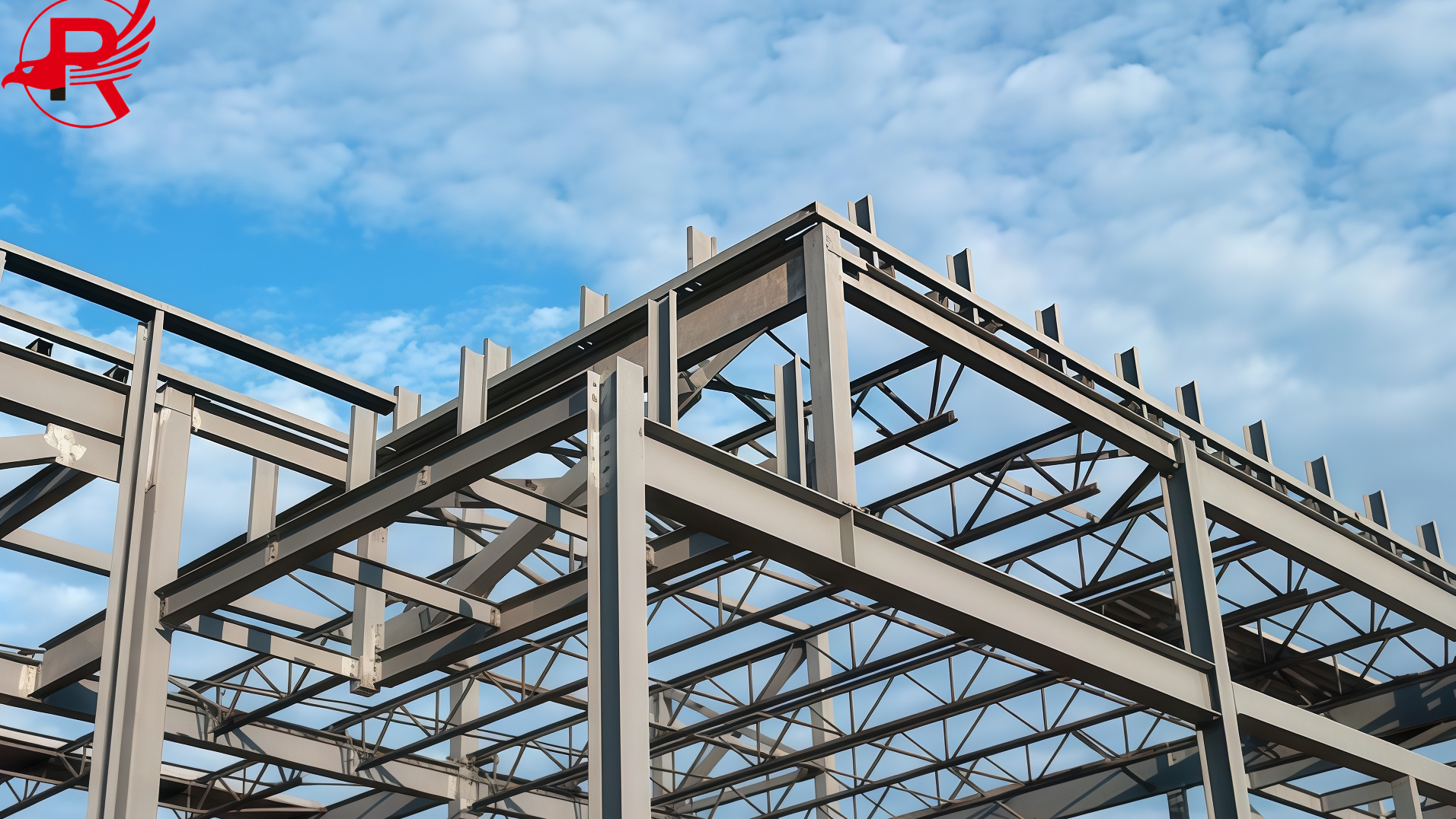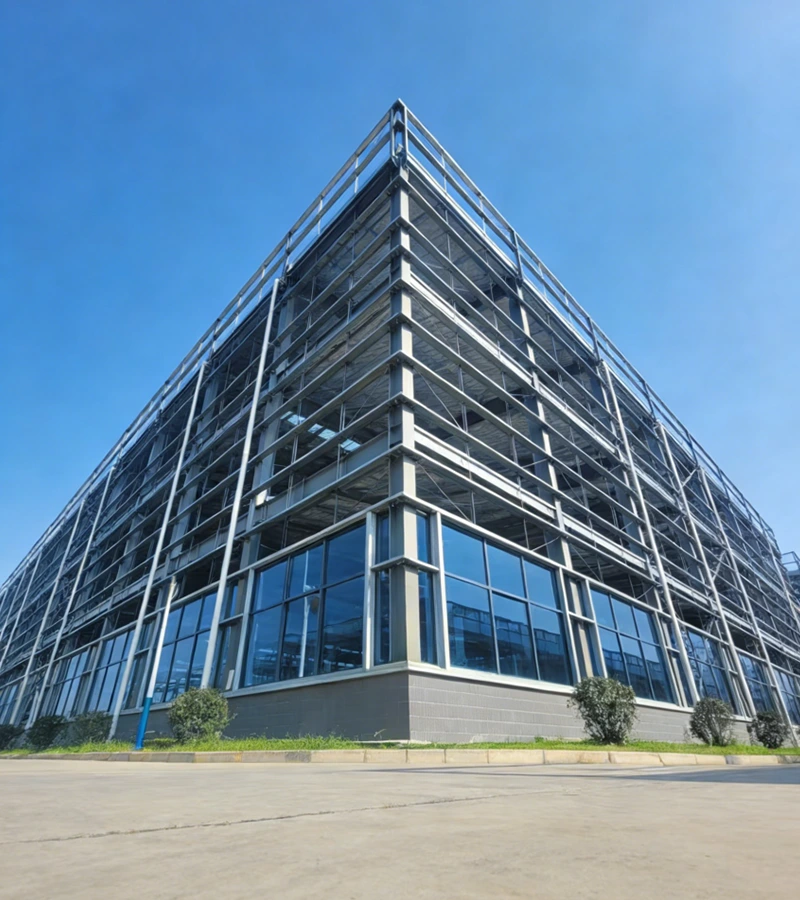
In today's fast-paced supply chain environment, efficiency and adaptability are paramount. A well-designed Steel Structure Logistics Auxiliary Building is no longer a mere storage shed; it is a critical, high-functioning component of modern logistics operations. These versatile structures provide the essential space needed for sorting, staging, packaging, and administrative support, directly impacting workflow speed, inventory management, and overall operational safety. Choosing the right auxiliary building is a strategic investment in your logistical backbone.
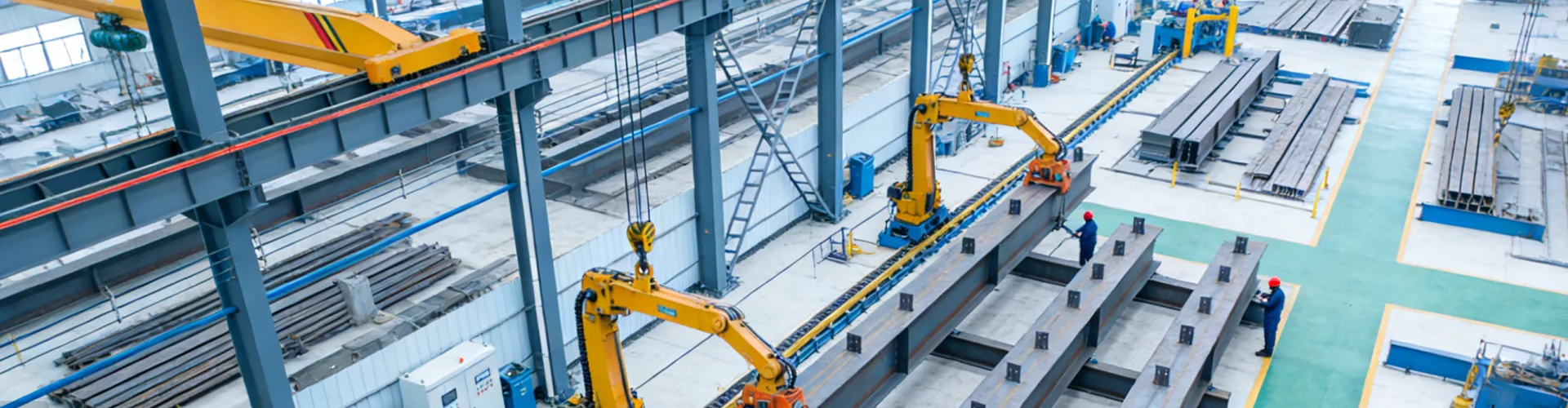
At Newforge, we specialize in engineering and fabricating premium-grade steel structure logistics auxiliary buildings that are built to perform and endure. We combine advanced engineering principles with a deep understanding of logistical workflows to deliver spaces that are not only structurally sound but also operationally intelligent.
Steel stands as the premier choice for industrial construction for compelling reasons:
Our logistics auxiliary buildings are engineered to meet rigorous industrial standards. Below are the core specifications that define a Newforge structure.
Q: What exactly is a logistics auxiliary building, and how is it different from a main warehouse?
A: A logistics auxiliary building is a supporting structure designed for specific, non-bulk-storage functions within a logistics complex. While the main warehouse focuses on high-density storage of goods, the auxiliary building houses critical support activities. This can include inbound/outbound staging areas, packaging and labeling stations, quality control checkpoints, tool and spare parts rooms, forklift charging stations, employee facilities, and administrative offices. It streamlines operations by separating processes, reducing congestion in the main warehouse, and improving workflow efficiency.
Q: How long does it typically take to design and erect a Newforge steel structure logistics auxiliary building?
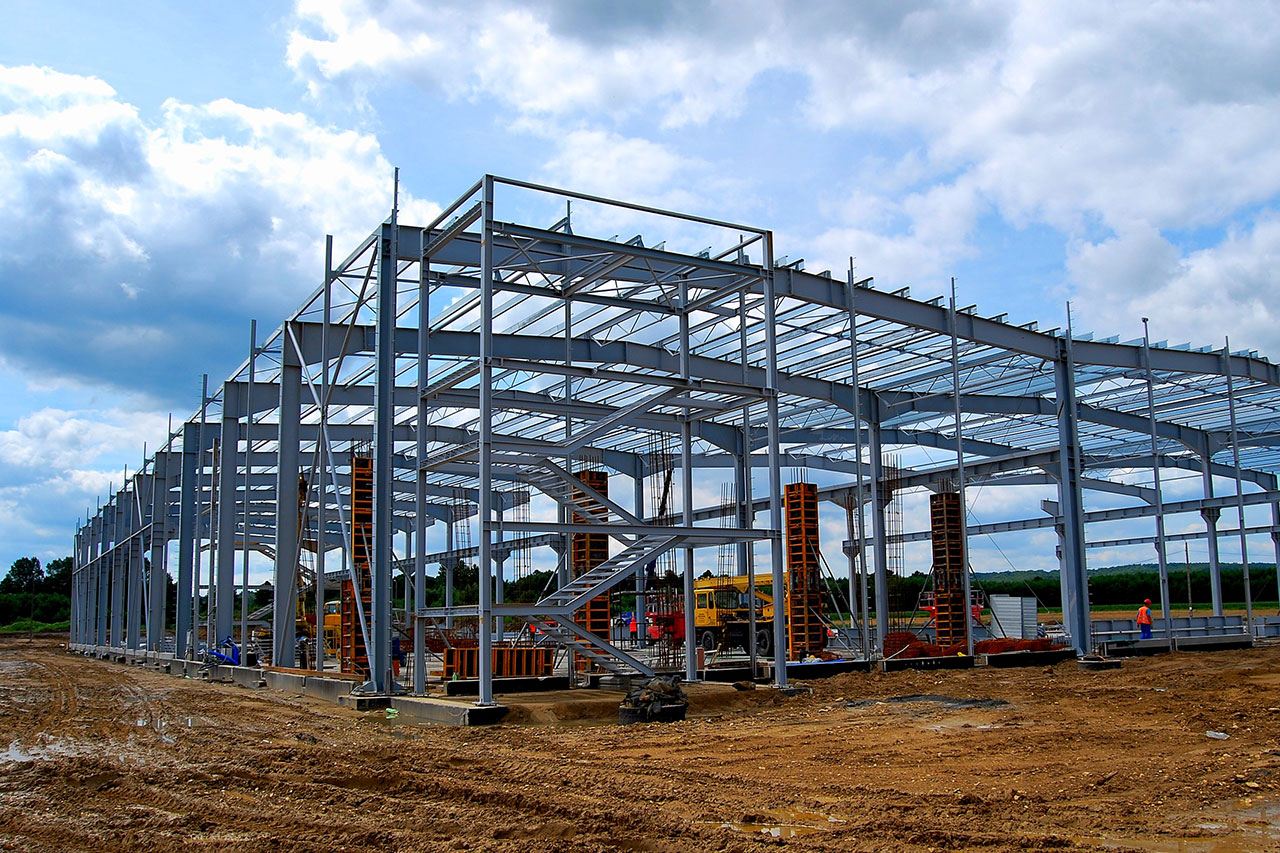
A: The timeline varies based on size, complexity, and site conditions. Generally, the process takes 8-14 weeks from finalized design to completion. The design and engineering phase takes approximately 3-4 weeks. Fabrication of components in our controlled factory environment takes 4-6 weeks. On-site erection is remarkably fast, typically 1-3 weeks, as the pre-fabricated pieces are assembled like a kit. This is significantly quicker than traditional concrete or masonry construction.
Q: Can these buildings be expanded or modified in the future?
A: Absolutely. One of the key advantages of a Newforge steel building is its inherent flexibility for future expansion. The building can be designed with future growth in mind. It can be easily lengthened, widened, or have additional bays added. Interior layouts can be reconfigured, and new doors or wall sections can be installed with relative ease compared to permanent structures.
Q: What kind of foundation is required?
A: A proper foundation is crucial. We provide detailed foundation and anchor bolt plans as part of our engineering package. Most auxiliary buildings utilize a perimeter concrete grade beam or a concrete slab-on-grade foundation. The specific design is determined by local soil conditions and building loads, and must be executed by a qualified local contractor in accordance with our drawings.
Q: Are Newforge buildings compliant with local building codes?
A: Yes. Newforge takes full responsibility for the structural engineering of our buildings. Our engineering team designs each structure to meet or exceed the specific wind, snow, seismic, and live load requirements of your local building codes. We provide a complete sealed structural engineering package for permitting purposes.
Q: What about insulation and climate control for temperature-sensitive operations?
A> We offer a full range of insulation solutions. For basic thermal comfort, fiberglass batt insulation is standard. For operations requiring controlled environments (e.g., packaging of certain goods, electronic component handling, or comfortable office spaces), we highly recommend and can install spray foam insulation or insulated metal panels. These systems provide excellent thermal resistance and create an effective air barrier. We can also design the building to accommodate HVAC systems, including provisions for ductwork and unit placement.
Q: How does the Newforge process work from inquiry to completion?
A: Our process is collaborative and structured: 1) Consultation & Needs Analysis: We discuss your operational requirements, site specifics, and budget. 2) Preliminary Design & Quotation: We create initial layouts and provide a detailed proposal. 3) Engineering & Contract: Upon approval, we finalize design, conduct full structural engineering, and formalize the contract. 4) Fabrication: Your building components are manufactured in our facility with strict quality control. 5) Site Preparation: You or your contractor prepare the foundation per our plans. 6) Erection & Completion: Our trained crew or certified builder erects the building, followed by the installation of doors, trim, and other accessories.