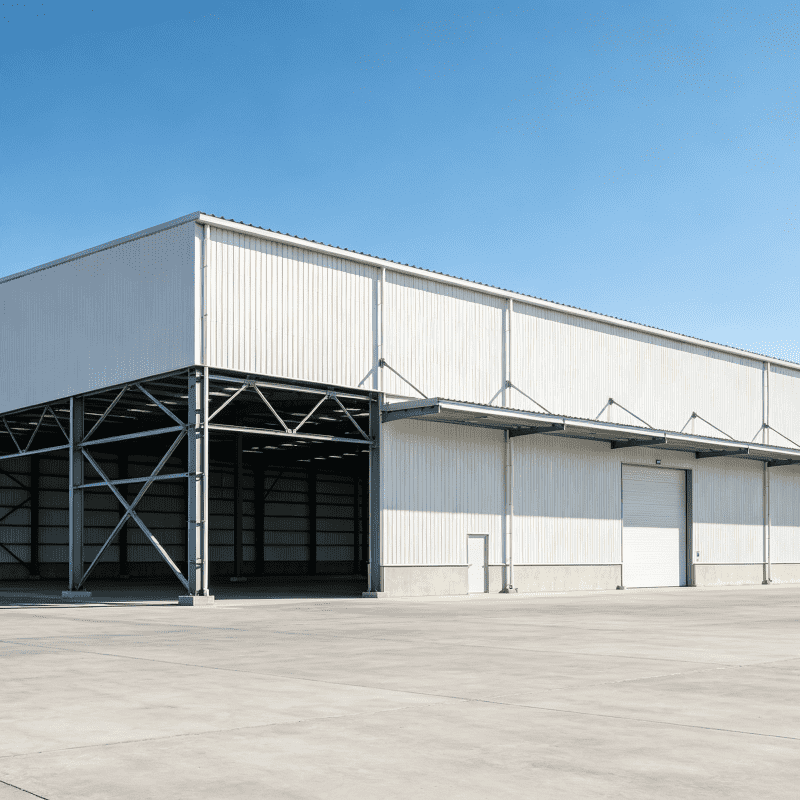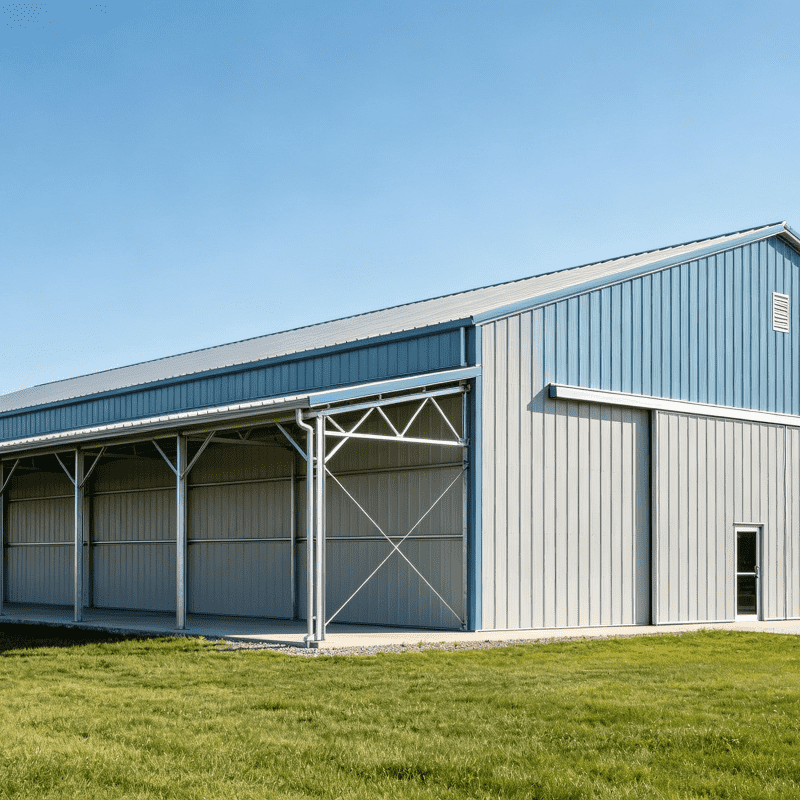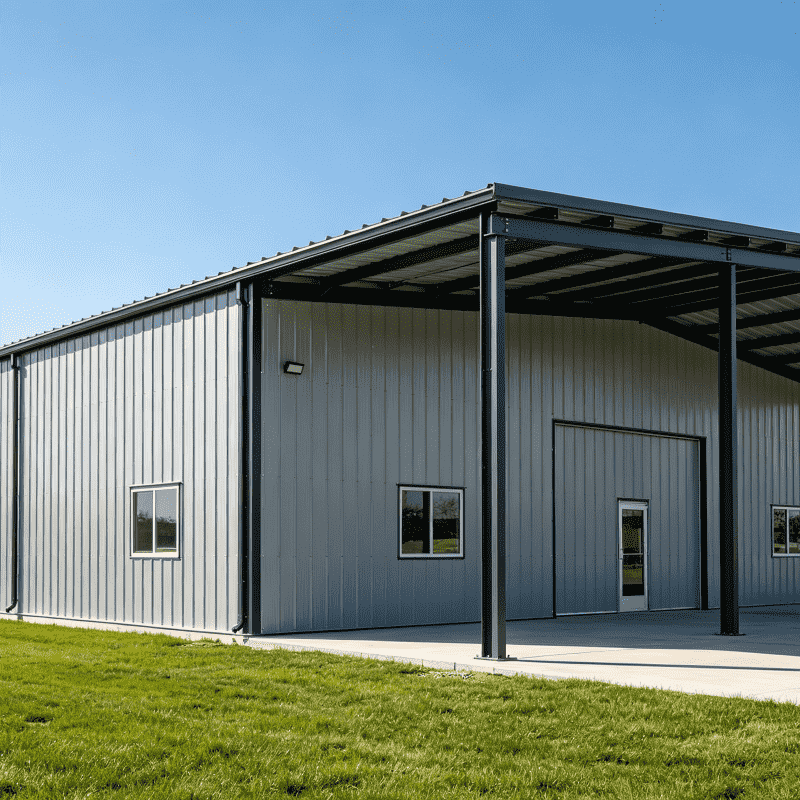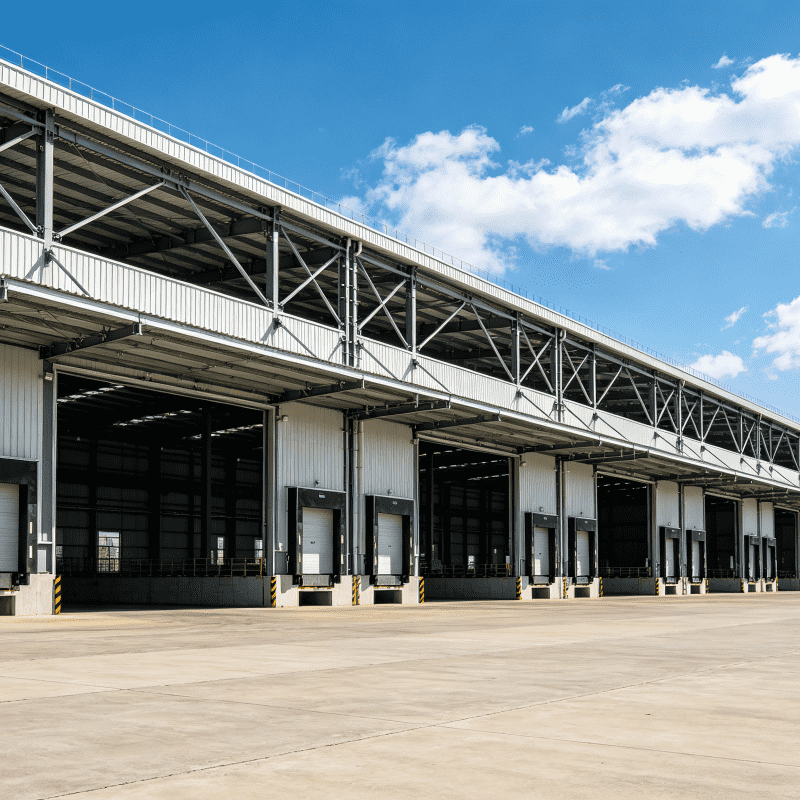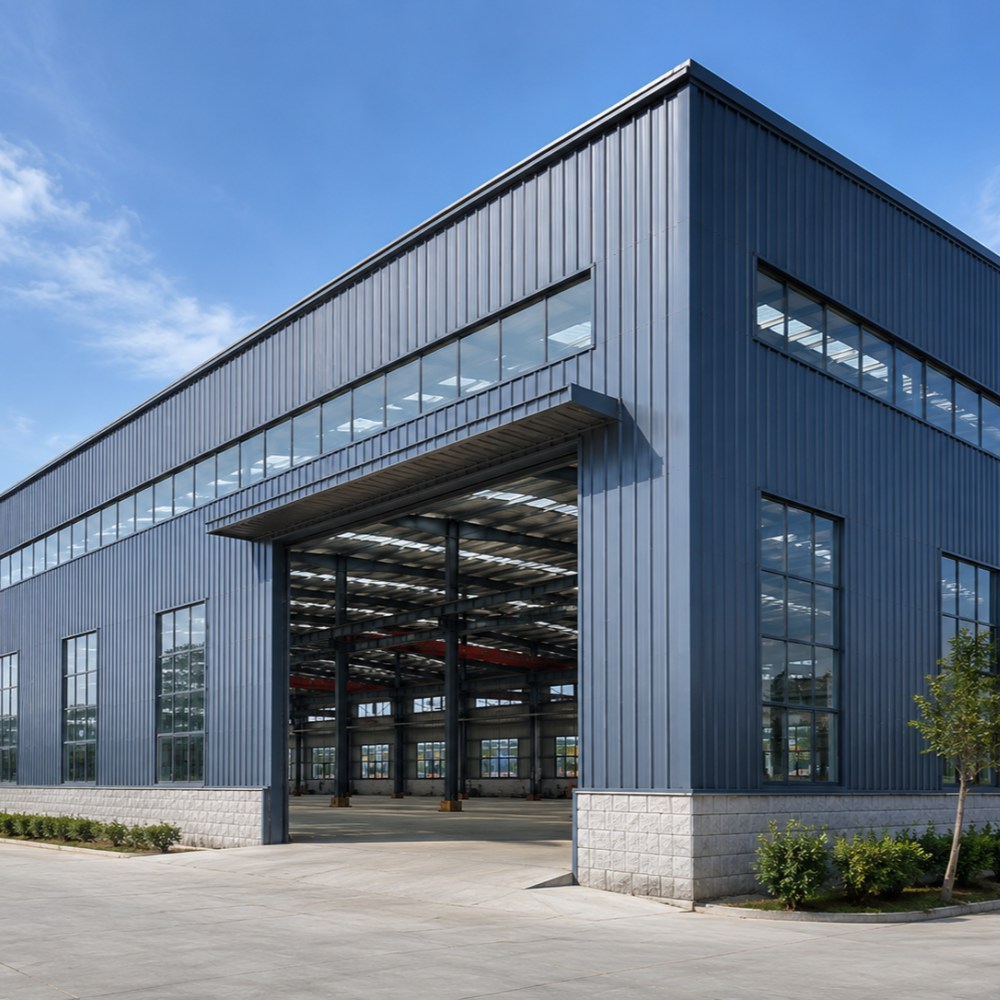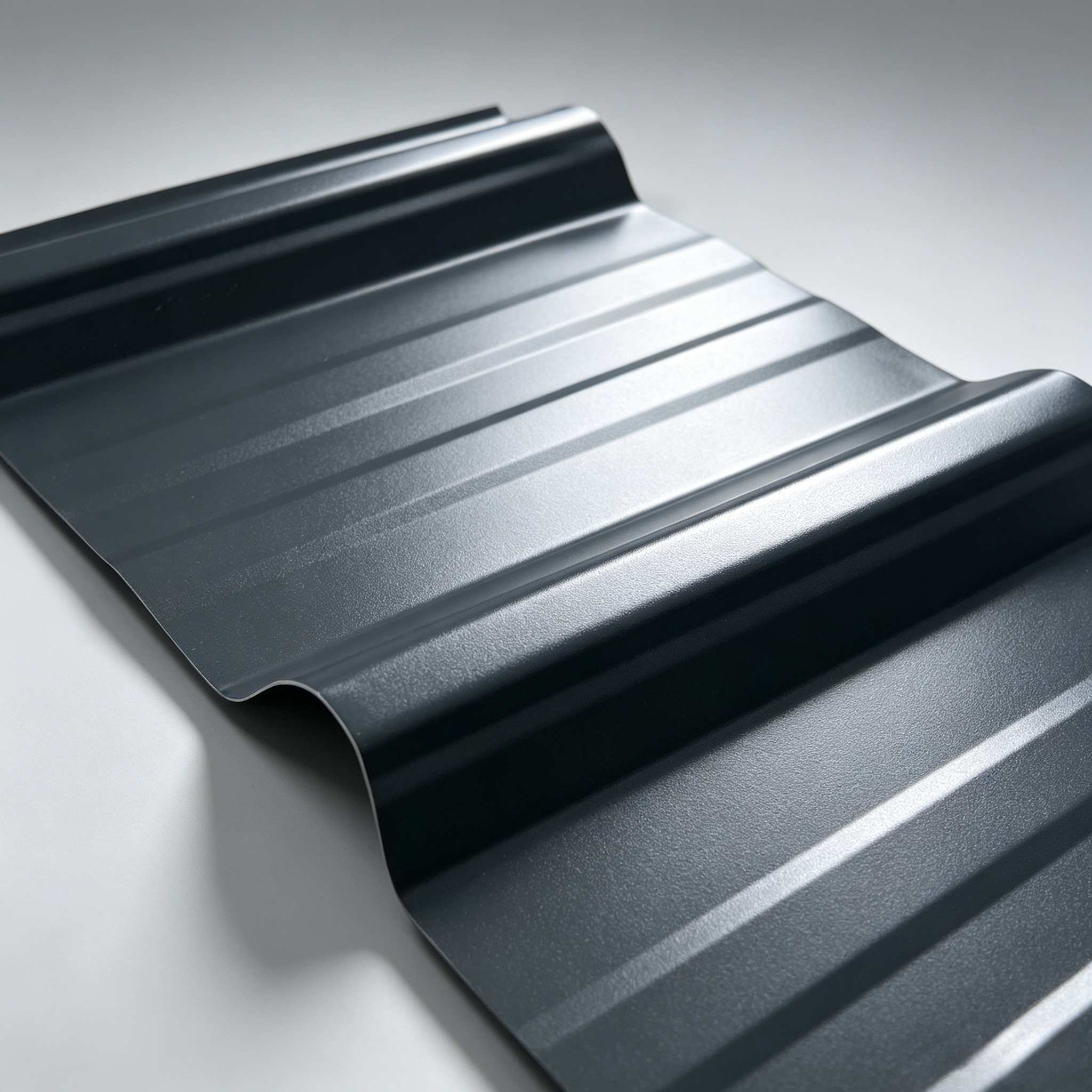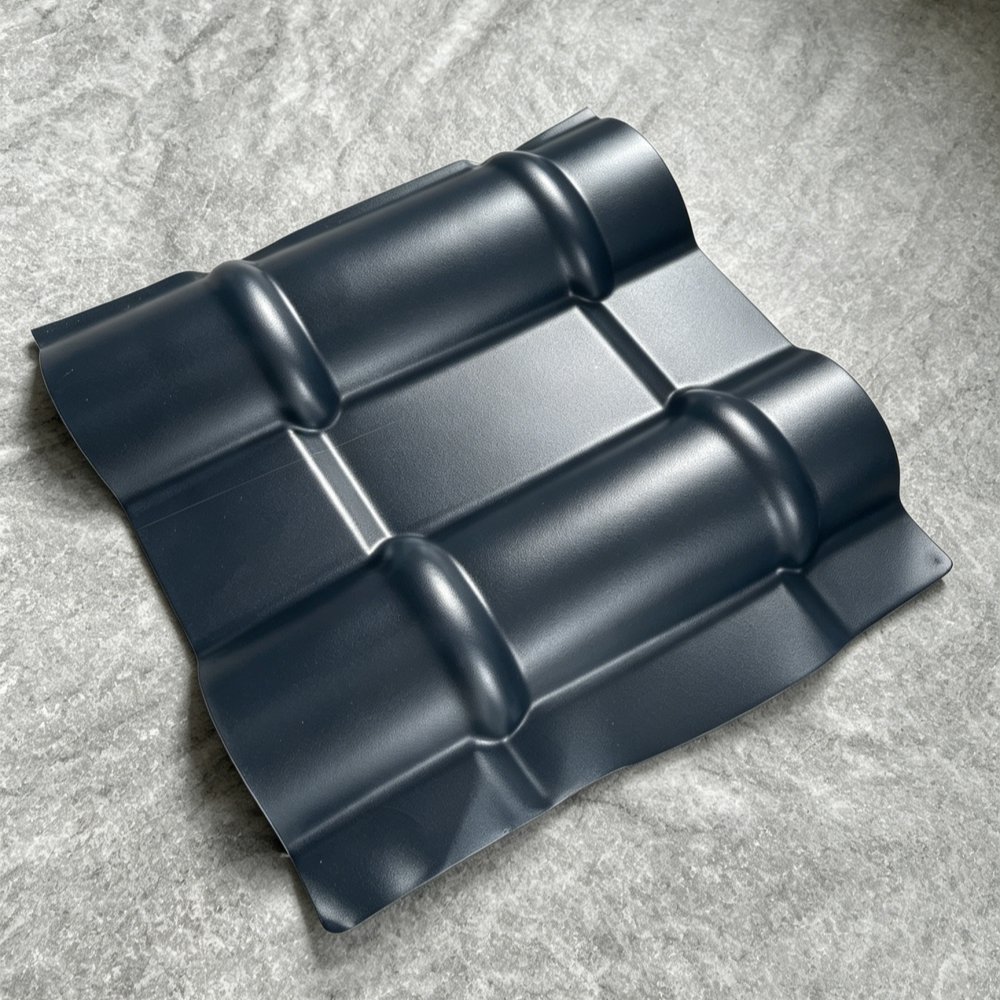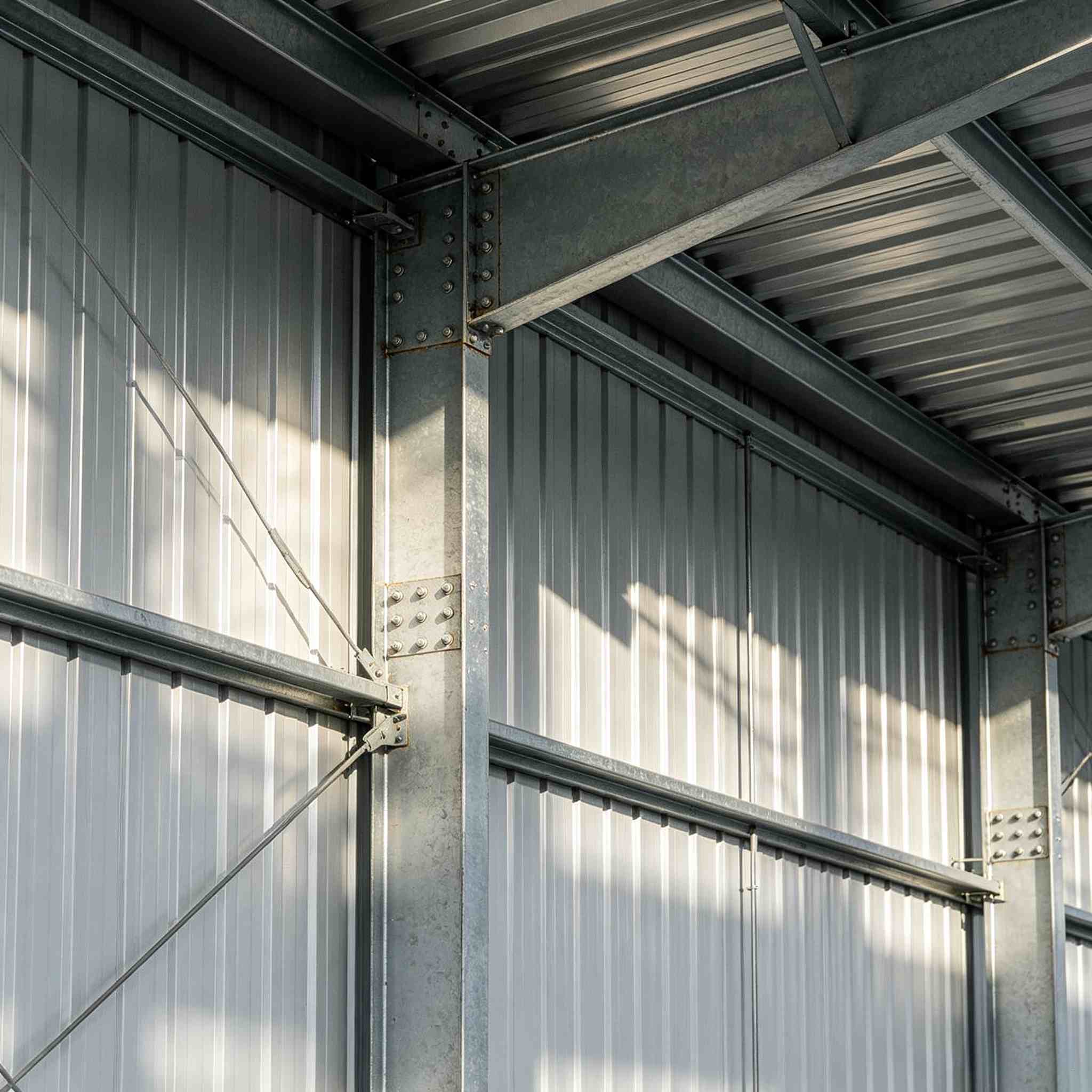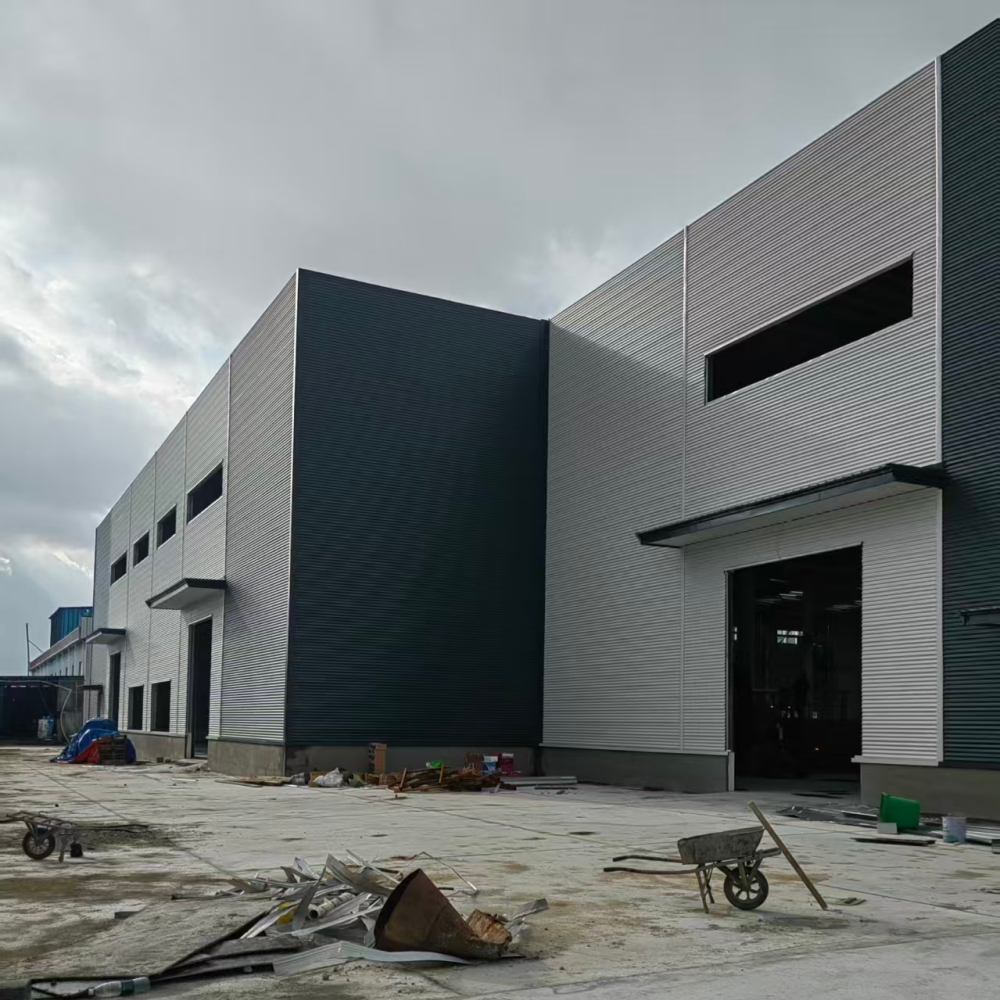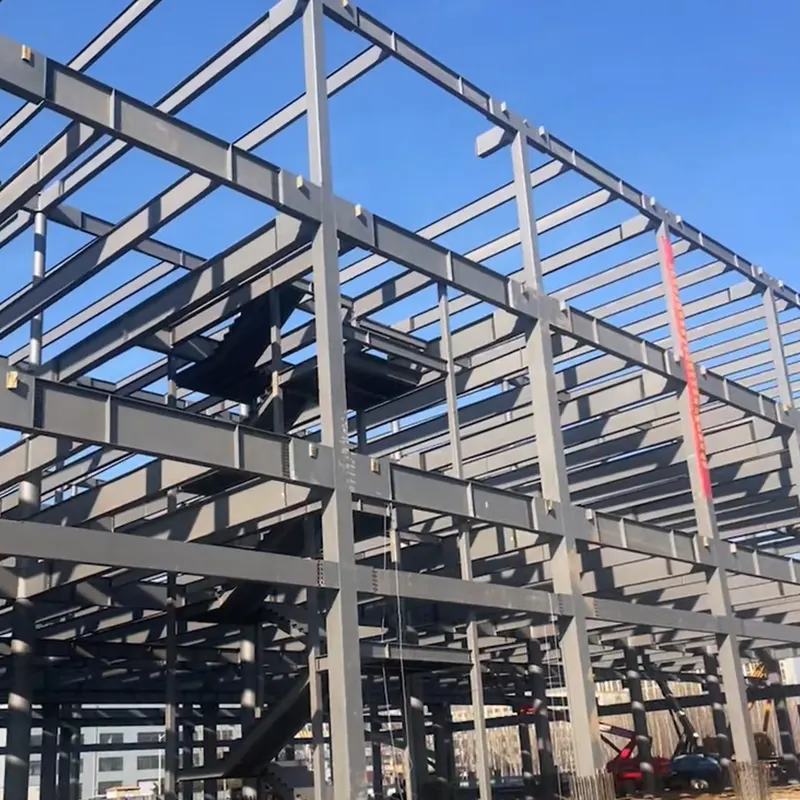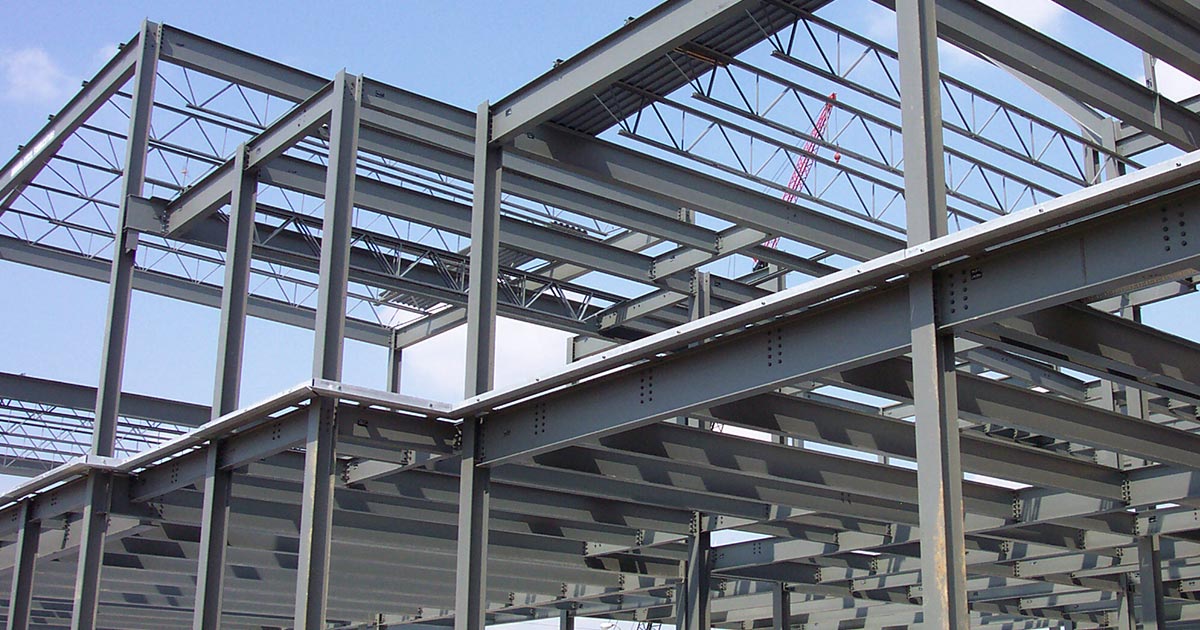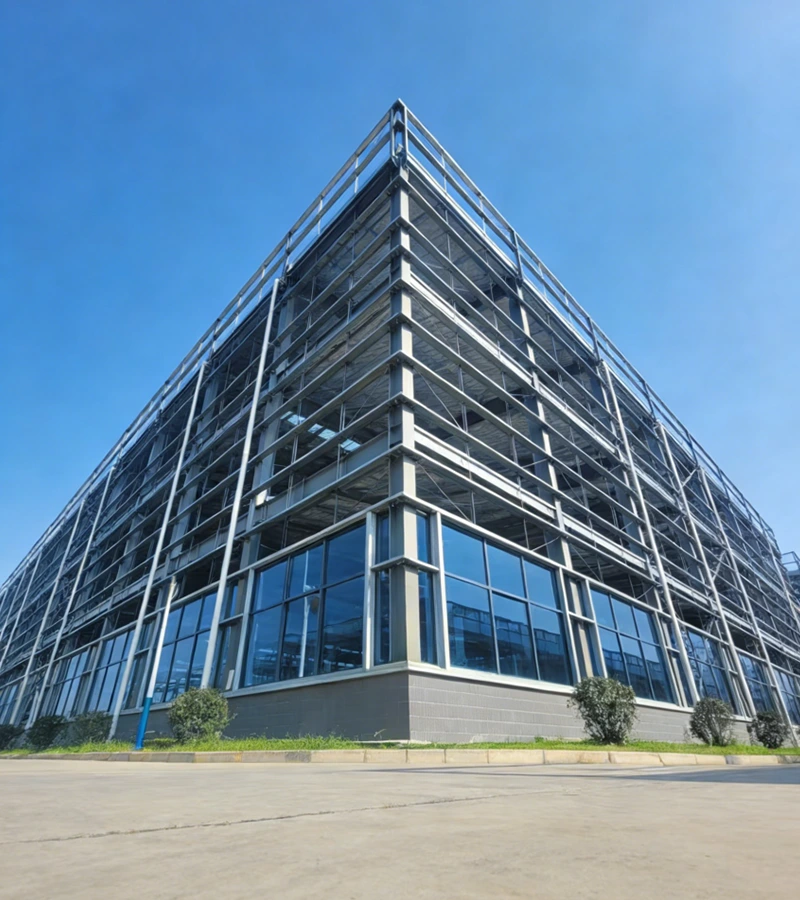
When it comes to protecting and defining the character of a modern steel-framed building, the Steel Structure Envelope and Cladding Systems are not just an afterthought—they are a critical component of the entire system. These systems comprise the exterior skin, which shields the structure from the elements, provides thermal insulation, enhances fire resistance, and contributes significantly to the building's aesthetic appeal and energy efficiency. For architects, engineers, and project managers, selecting the right envelope solution is paramount to the longevity, safety, and performance of the facility.
At Newforge, we bring decades of specialized engineering and manufacturing expertise to this vital field. Our comprehensive range of steel structure envelope and cladding systems is designed to meet the most demanding architectural, environmental, and regulatory requirements across commercial, industrial, and institutional sectors.
A complete steel structure envelope from Newforge is an integrated assembly of several key components, each playing a specific role:
Q: How do I choose between composite panels and a built-up system?
A: The choice depends on project requirements. Composite panels (like Newforge NF-InsulCore®) offer faster installation, excellent thermal efficiency in a single element, and a clean interior finish. Built-up systems provide greater design flexibility for complex roof shapes, allow for easier replacement of individual components (like insulation), and can be more cost-effective for very large, simple spans.
Q: What fire ratings are available for cladding, and why are they critical?
A: Fire ratings classify material reaction to fire (e.g., Euroclass A1, A2, B). Higher-rated materials like mineral wool core panels (A2-s1,d0) or non-combustible cassettes (A1) significantly slow fire spread, enhancing occupant safety and protecting assets. Local building codes mandate minimum ratings for different building types and heights. Newforge systems are tested and certified to meet stringent international standards.
Q: Can steel cladding be environmentally sustainable?
A: Absolutely. Modern steel cladding is highly sustainable. It is often made from recycled content and is 100% recyclable at end-of-life. Systems like Newforge's NF-Rainshield® ventilated facades improve building energy efficiency, reducing operational carbon. Furthermore, reflective and cool roof membrane options in our NF-SeamTec® range can reduce urban heat island effect.
Q: How does Newforge ensure the longevity and weather resistance of its envelope systems?
A> Longevity is engineered through multiple factors: We use high-quality, corrosion-protected metals (Galvalume, PVDF coatings). Our panel profiles and jointing systems are designed for superior water shedding and wind-uplift resistance. We provide comprehensive accessory kits (flashings, seals, fasteners) designed for compatibility. Crucially, we offer detailed installation guides and support to ensure the system is erected correctly, as performance heavily depends on proper installation.
Q: What are the key considerations for thermal performance (U-value) and condensation control?
A> Key considerations include: Selecting the appropriate insulation type and thickness to achieve the target U-value for energy code compliance. Ensuring a continuous air and vapor barrier layer to prevent warm, moist indoor air from penetrating the insulation where it can condense. Incorporating ventilation in cavity systems (like rainscreens) to dry out any incidental moisture. Newforge systems are designed with thermal breaks and detailed condensation risk analysis for your specific climate zone.