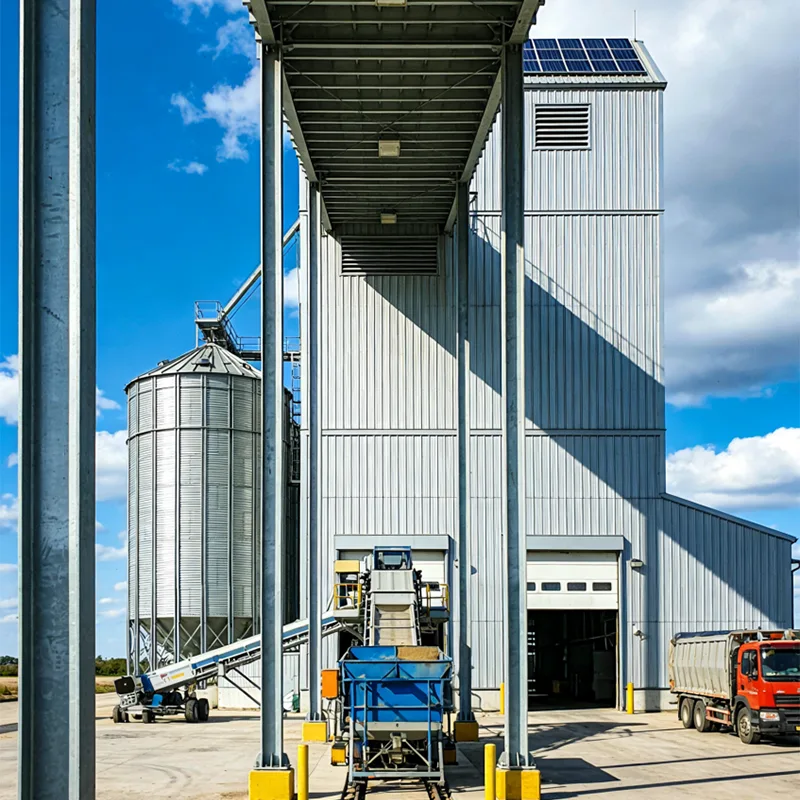
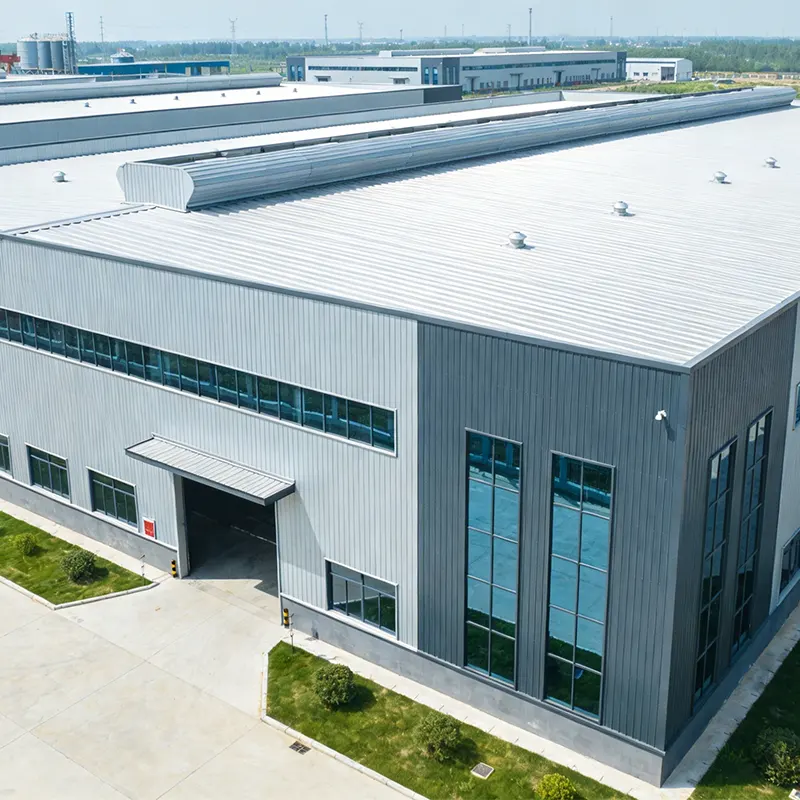
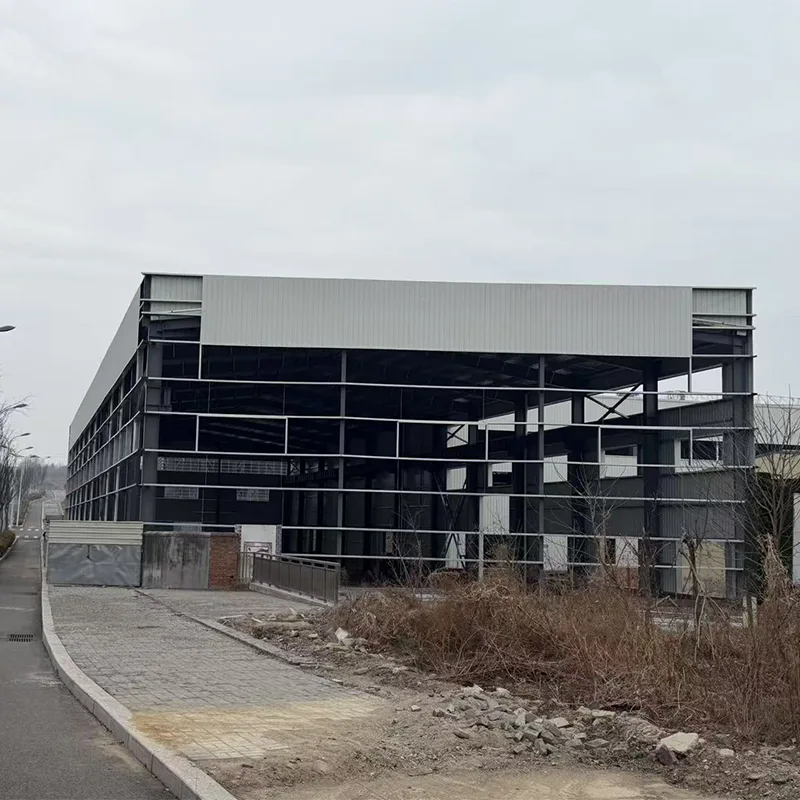
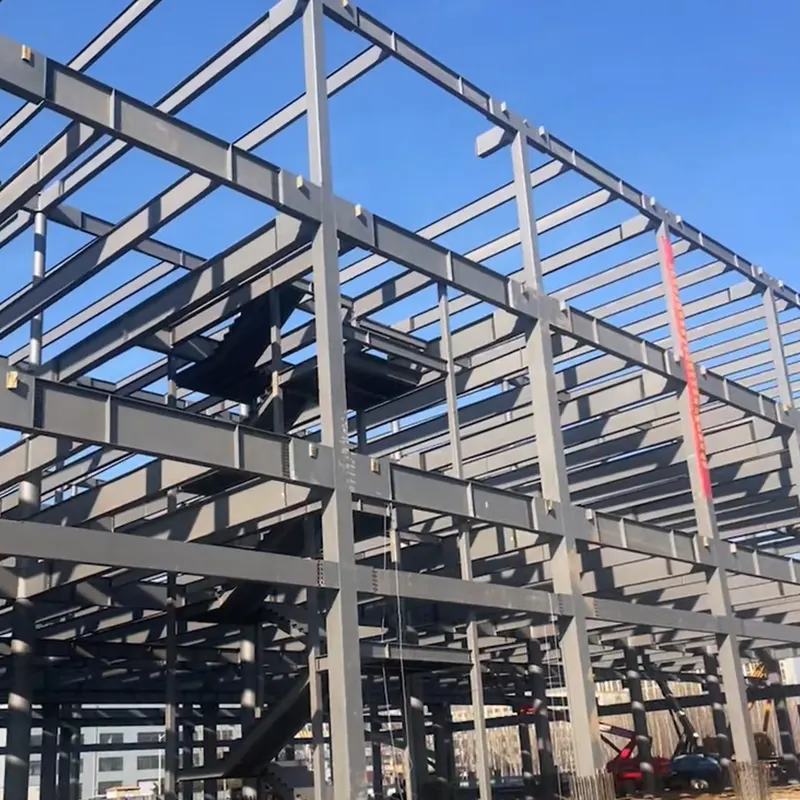
Modular construction, where sections of buildings are put together off-site and transported to the site to be slotted into their designated positions, is becoming increasingly popular and steel is often a key ingredient in this building technique.
Putting portions of buildings together off-site has many benefits. Work that would normally have to wait to begin until a particular stage in the construction process has been reached can be done simultaneously off-site, so it speeds up the whole project timeline. And, as modular construction is done in a factory, it is also not impacted by adverse weather, further cutting costs and improving efficiency. A study by McKinsey & Company of modular projects showed that they accelerated project timelines by 20% to 50%. It found, “The modular approach also has the potential to yield significant cost savings, although that is still more the exception than the norm today. As supply-chain players advance along the learning curve, we believe that leading real-estate players that are prepared to make the shift and optimize for scale can realize more than 20% in construction-cost savings, with additional potential gains in full-life costs (for instance, through reducing running costs via energy and maintenance savings)
Modular construction can also improve health and safety as less work has to be done at height on site, and it reduces pollution and congestion around the site.Modular construction cuts site transportationA study by offsite modular construction company, Elements Europe, a subsidiary of GS E&C, of its Smith’s Garden development in Camp Hill, Birmingham, England, threw up some very interesting data on modular steel construction. The scheme involved building 550 one-, two- and three-bedroom apartments of modular steel construction across six blocks, one of which was 26 storeys high.The statistics showed that the modular steel construction led to around 3,700 fewer deliveries to the site or 56% fewer trucks arriving and leaving the site, compared to traditional building methods on the same size and scale. The reduction in transportation subsequently reduced congestion and pollution around the site.Modular construction set to impact supply chainsA growth in modular construction worldwide could change the whole supply chain, states the McKinsey report. “Building-materials suppliers will face a shift in the choice of materials available to customers and prefabricators. For instance, cement companies will be affected if cross-laminated timber and steel-frame-based modules gain market share. Materials suppliers may also face an entirely different go-to-market landscape. Their customers may no longer be fragmented installers or traditional distributors, but rather larger manufacturers that are optimizing for different objectives. However, these suppliers may be well-positioned to enter the prefabrication space, given their knowledge both of traditional construction and of efficient manufacturing and supply-chain environments.”
If modular construction becomes the norm, the steel industry needs to prepare to meet these changing building patterns.
We use cookies to offer you a better browsing experience, analyze site traffic and personalize content. By using this site, you agree to our use of cookies. Privacy Policy