News

How Does a General Storage Steel Warehouse Work?

2026-03-16 0 Leave me a message

Summary: General Storage Steel Warehouses are an essential solution for businesses seeking efficient, safe, and flexible storage spaces. This article explains the structure, design features, operational benefits, and practical considerations to help business owners make informed decisions.
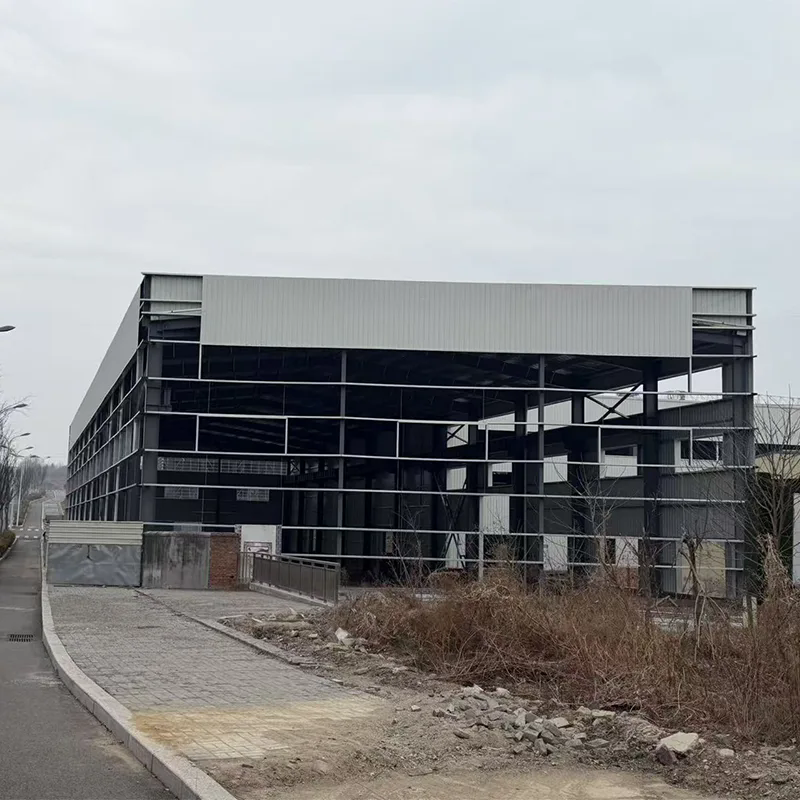
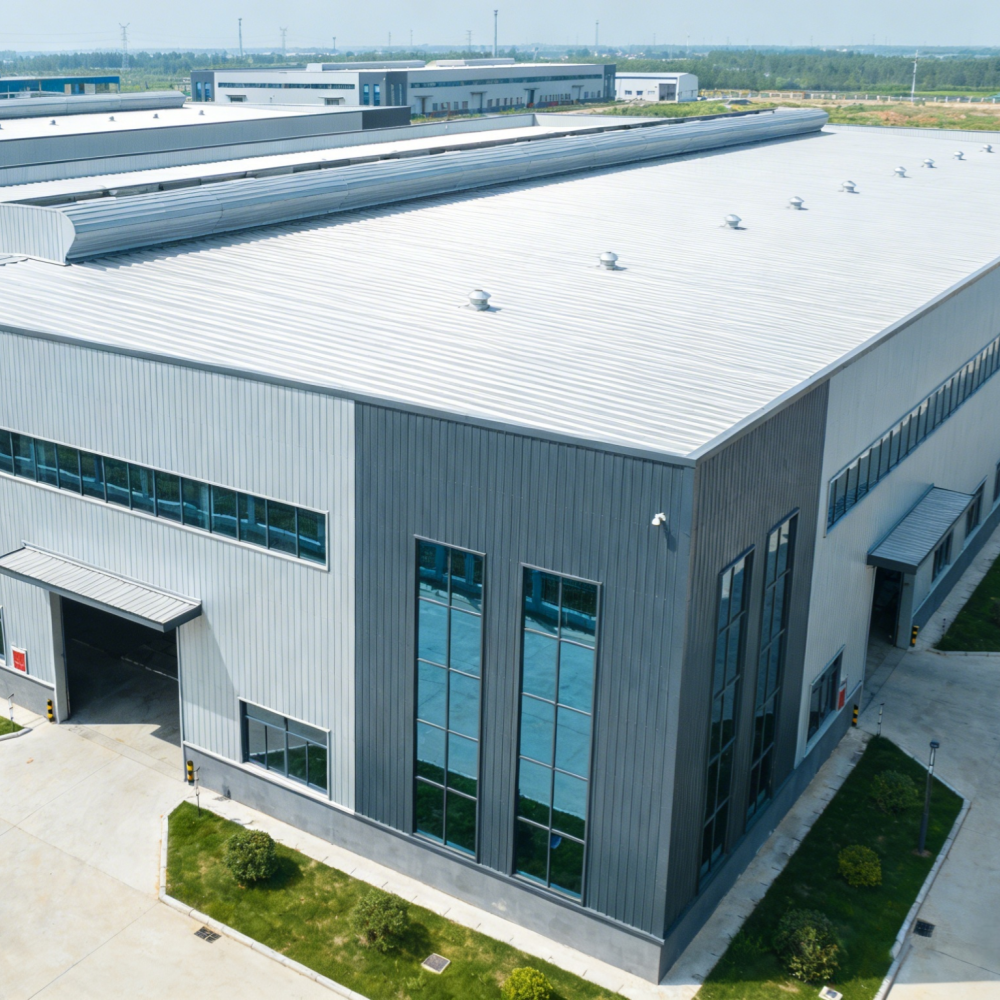
High Clear Height Steel Structure Warehouse

Table of Contents

  1. Introduction to General Storage Steel Warehouses
  2. Design Features and Structural Components
  3. Key Advantages for Businesses
  4. Applications Across Industries
  5. Maintenance and Operational Tips
  6. Frequently Asked Questions
  7. Conclusion & Contact

Introduction to General Storage Steel Warehouses

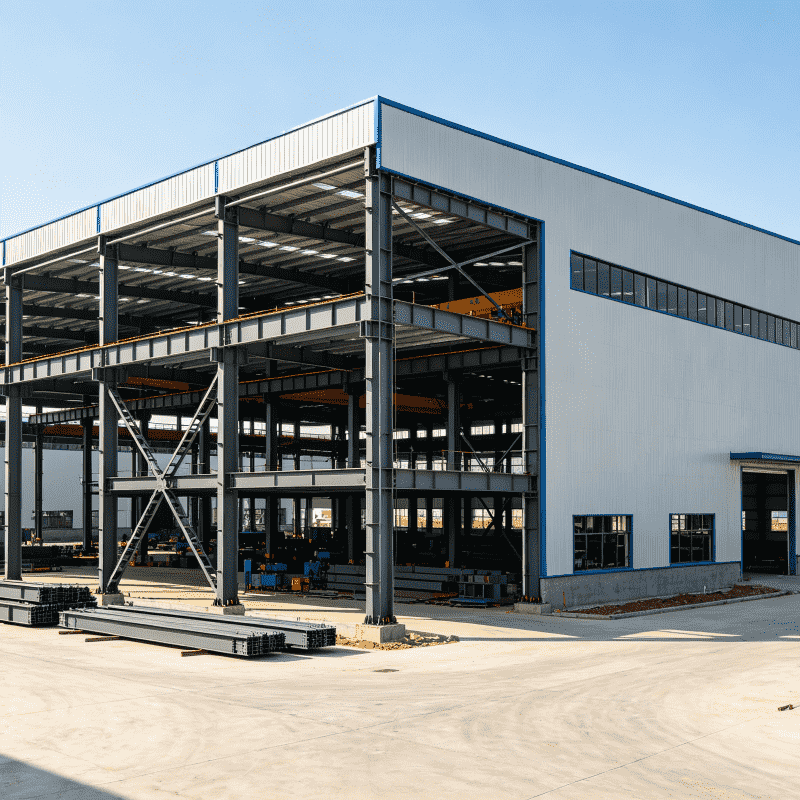
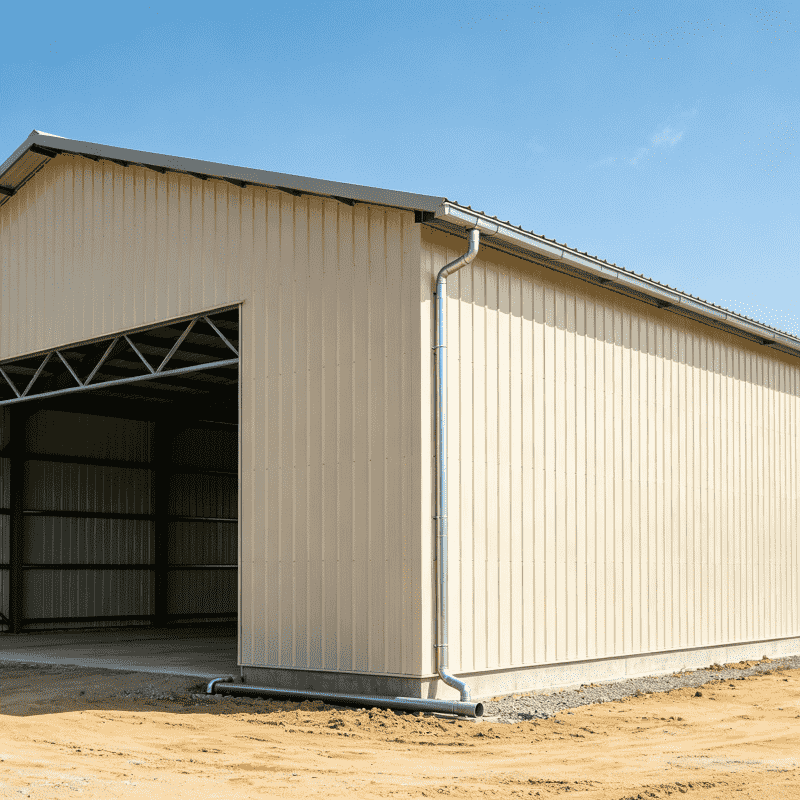
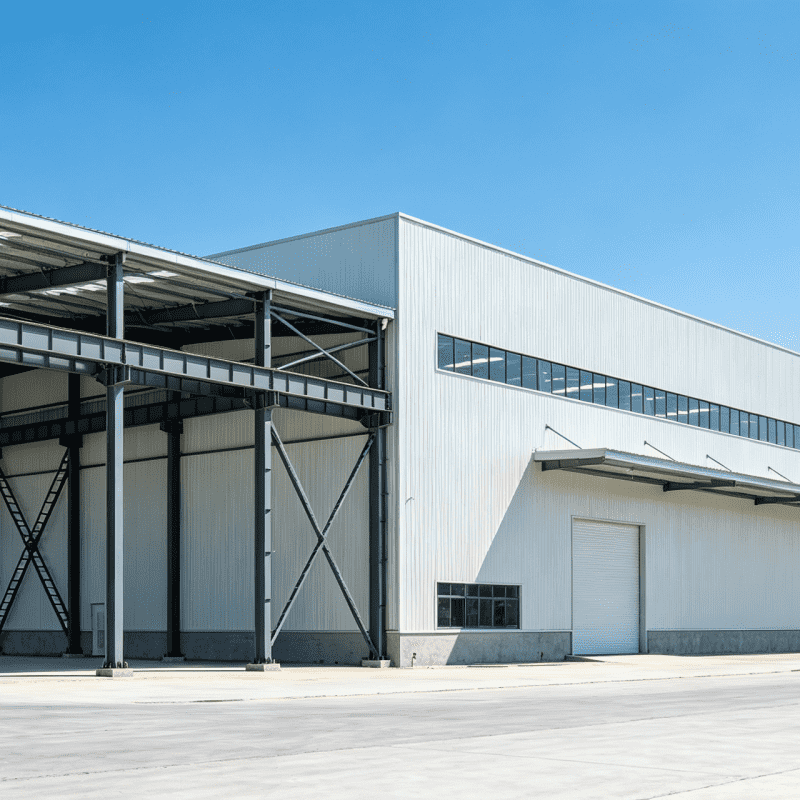
General Storage Steel Warehouses are pre-engineered metal structures designed to provide robust and adaptable storage solutions. Unlike traditional brick-and-mortar buildings, these steel warehouses offer faster construction, reduced maintenance, and scalability. They are widely used for storing raw materials, finished goods, machinery, and other commercial products.

Modern steel warehouses combine high-strength steel frames with insulated panels to ensure durability and climate control. The open-span design allows for maximum storage space without internal load-bearing walls, providing flexibility for shelving, racking systems, and large equipment storage.


Design Features and Structural Components

The performance of a General Storage Steel Warehouse is largely determined by its design and structural components. Key features include:

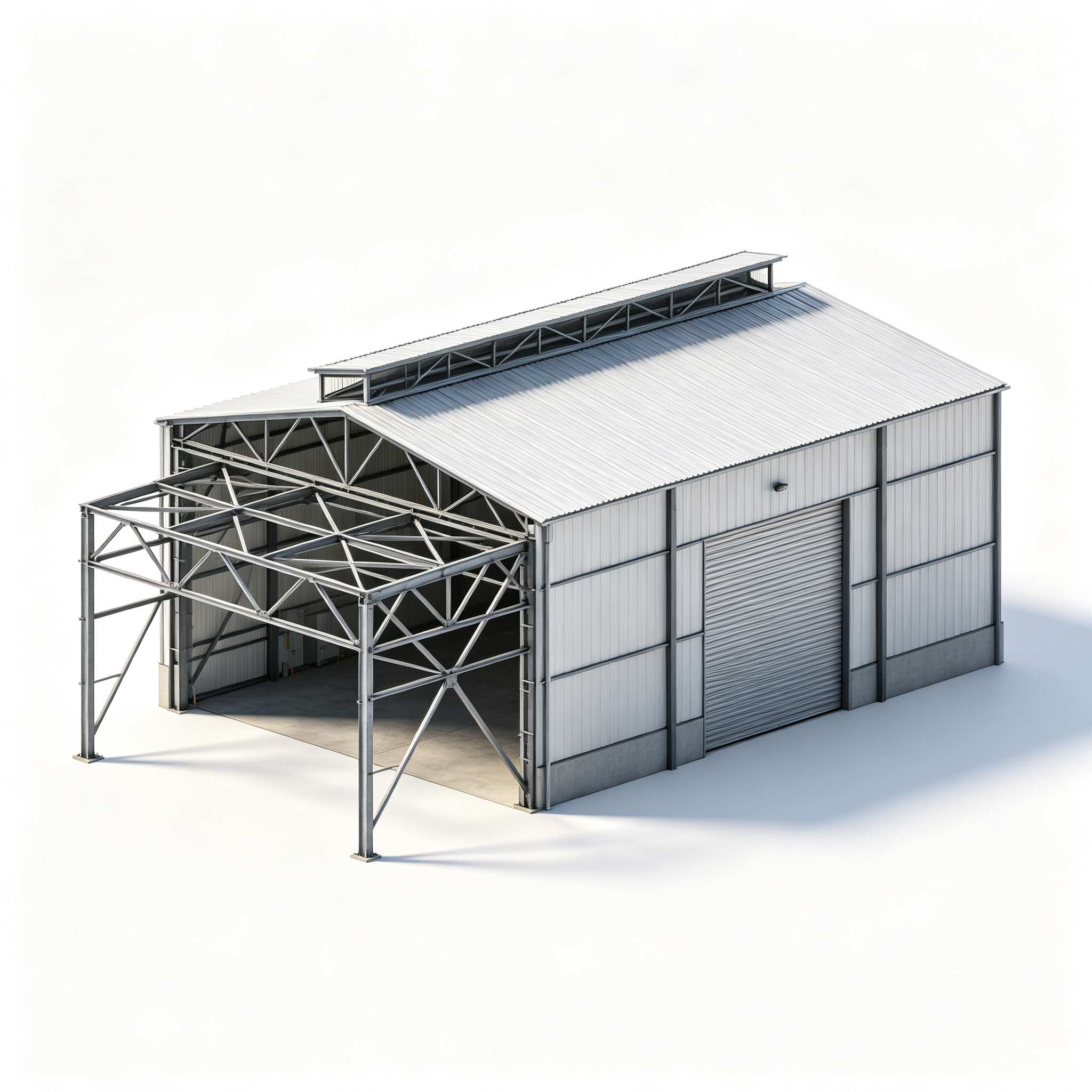
  • Steel Frame: Primary and secondary frames made from galvanized steel ensure stability and resistance to environmental stresses.
  • Roofing Systems: Sloped or gable roofs with high-strength panels improve water drainage and reduce snow load stress.
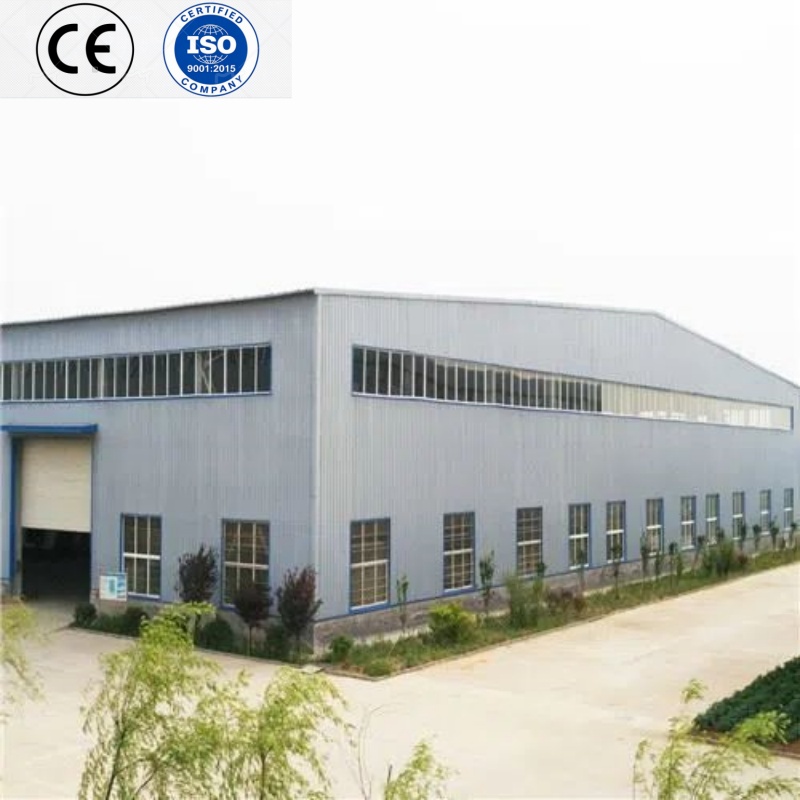
  • Wall Panels: Insulated or single-layer steel panels provide protection from weather, maintain internal temperatures, and enhance energy efficiency.
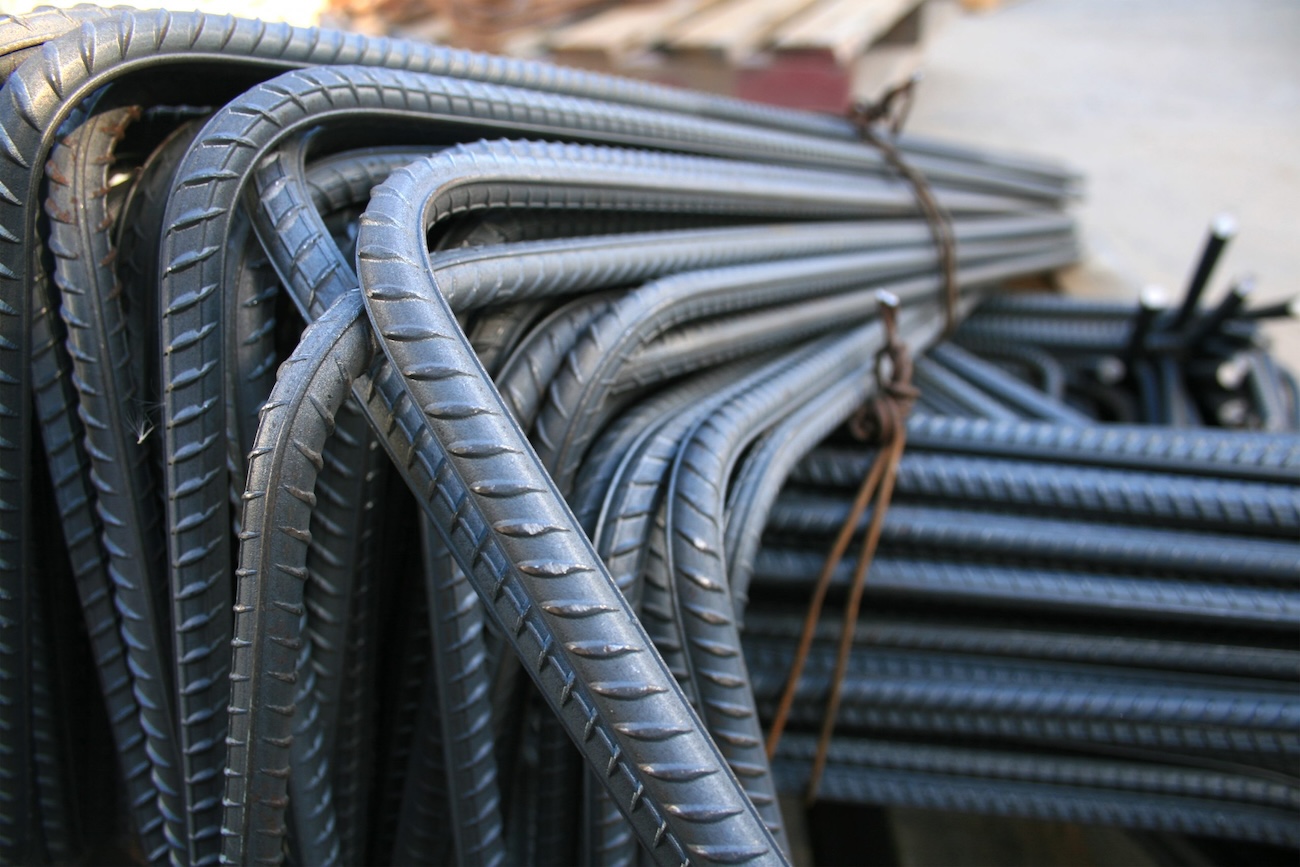
  • Foundation: Reinforced concrete foundations anchor the structure and accommodate heavy loads.
  • Doors and Access Points: Roller shutters, sliding doors, and dock-level access improve operational efficiency.
  • Optional Features: Skylights, ventilation systems, and mezzanine levels can be added based on storage requirements.

Below is a simplified specification table for a typical general storage steel warehouse:

Component Description
Steel Frame Galvanized I-beams with cross bracing
Roof Double-layer insulated panels with 10° slope
Wall Panels Corrugated steel with optional insulation
Floor Reinforced concrete slab
Doors Industrial roller shutters and sliding doors
Optional Features Ventilation, skylights, mezzanine storage

Key Advantages for Businesses

Investing in a General Storage Steel Warehouse offers several benefits for business operations:

  1. Durability: Steel construction resists fire, pests, and corrosion, providing long-term storage reliability.
  2. Flexibility: Open-span interiors can accommodate adjustable shelving, forklifts, and other equipment.
  3. Quick Construction: Prefabricated steel components allow rapid assembly, often reducing project timelines by months.
  4. Cost-Effectiveness: Lower maintenance and faster construction make steel warehouses economically favorable compared to traditional buildings.
  5. Scalability: Additional modules can be added easily to expand storage capacity as business needs grow.
  6. Energy Efficiency: Insulated panels help maintain internal temperatures, reducing energy costs.

Applications Across Industries

Steel warehouses are versatile and can be used in various industries:

  • Manufacturing: Storage of raw materials, finished products, and equipment.
  • Logistics and Distribution: Warehouses for inventory management and shipment preparation.
  • Agriculture: Safe storage of crops, fertilizers, and machinery.
  • Retail: Large storage spaces for seasonal or bulk products.
  • Construction: Housing construction materials, heavy machinery, and prefabricated components.

Maintenance and Operational Tips

Proper maintenance ensures long-term performance of a steel warehouse:

  • Regular inspection of steel frames for corrosion or damage.
  • Cleaning and repainting exposed steel to prevent rust.
  • Checking roof and wall panels for leaks or insulation damage.
  • Maintaining doors, locks, and access mechanisms to ensure smooth operation.
  • Installing fire detection and safety systems to protect inventory.

Frequently Asked Questions

Q1: How long does it take to construct a steel warehouse?

A1: Depending on size and complexity, a typical warehouse can be constructed in 2–6 months, which is faster than traditional brick buildings.

Q2: Can steel warehouses withstand harsh weather?

A2: Yes. Properly engineered steel warehouses can withstand heavy snow, strong winds, and seismic activity.

Q3: Are steel warehouses cost-effective in the long run?

A3: Absolutely. Reduced maintenance, energy efficiency, and flexibility make them economically advantageous over decades.


Conclusion & Contact

General Storage Steel Warehouses are a reliable and efficient solution for modern storage needs. Their durability, flexibility, and scalability make them an ideal choice for businesses across industries. Companies like Newforge provide customized steel warehouse solutions to meet specific operational requirements.

To learn more about how a General Storage Steel Warehouse can optimize your business operations, contact us today for personalized guidance and a free consultation.

Related News
Leave me a message
X
We use cookies to offer you a better browsing experience, analyze site traffic and personalize content. By using this site, you agree to our use of cookies. Privacy Policy
Reject Accept