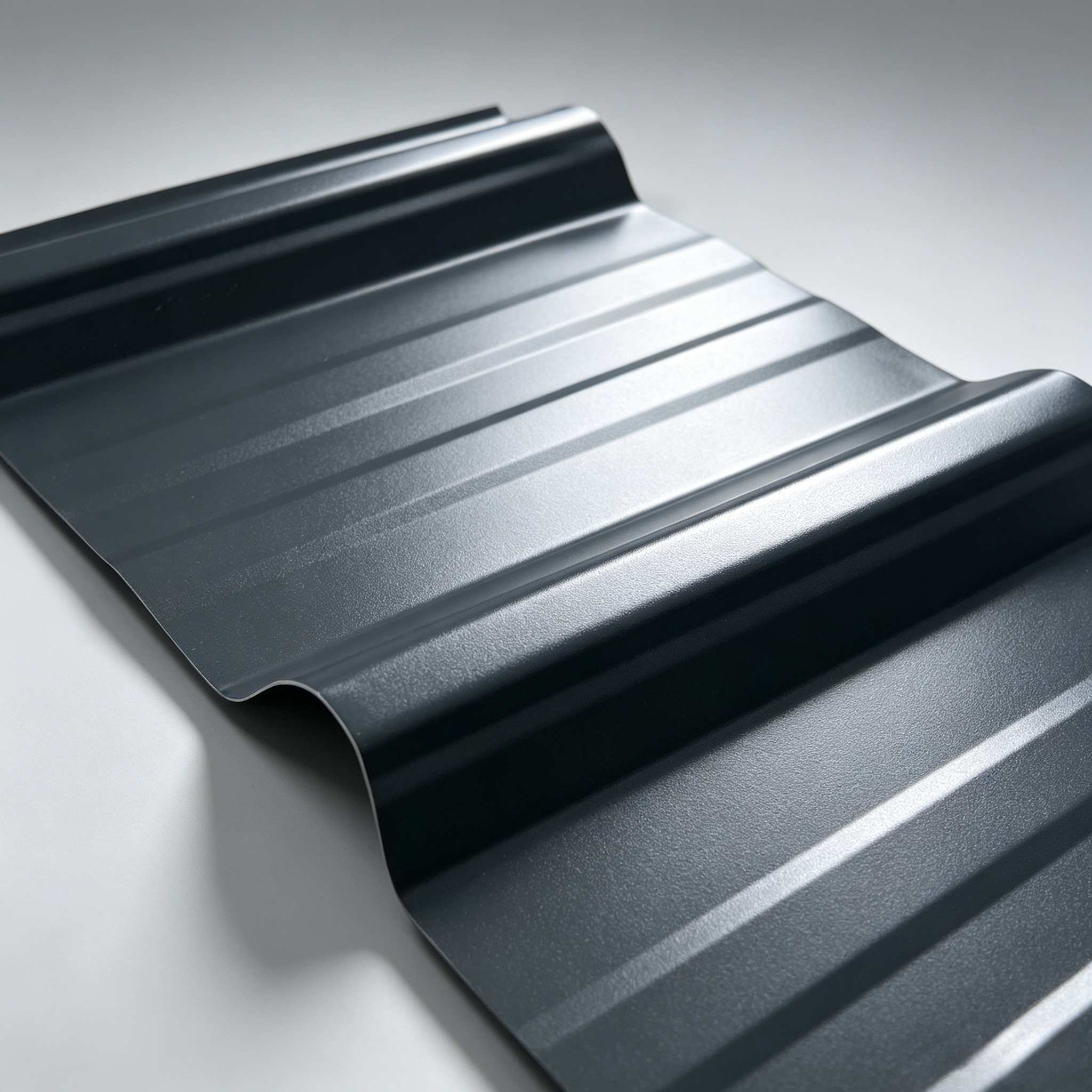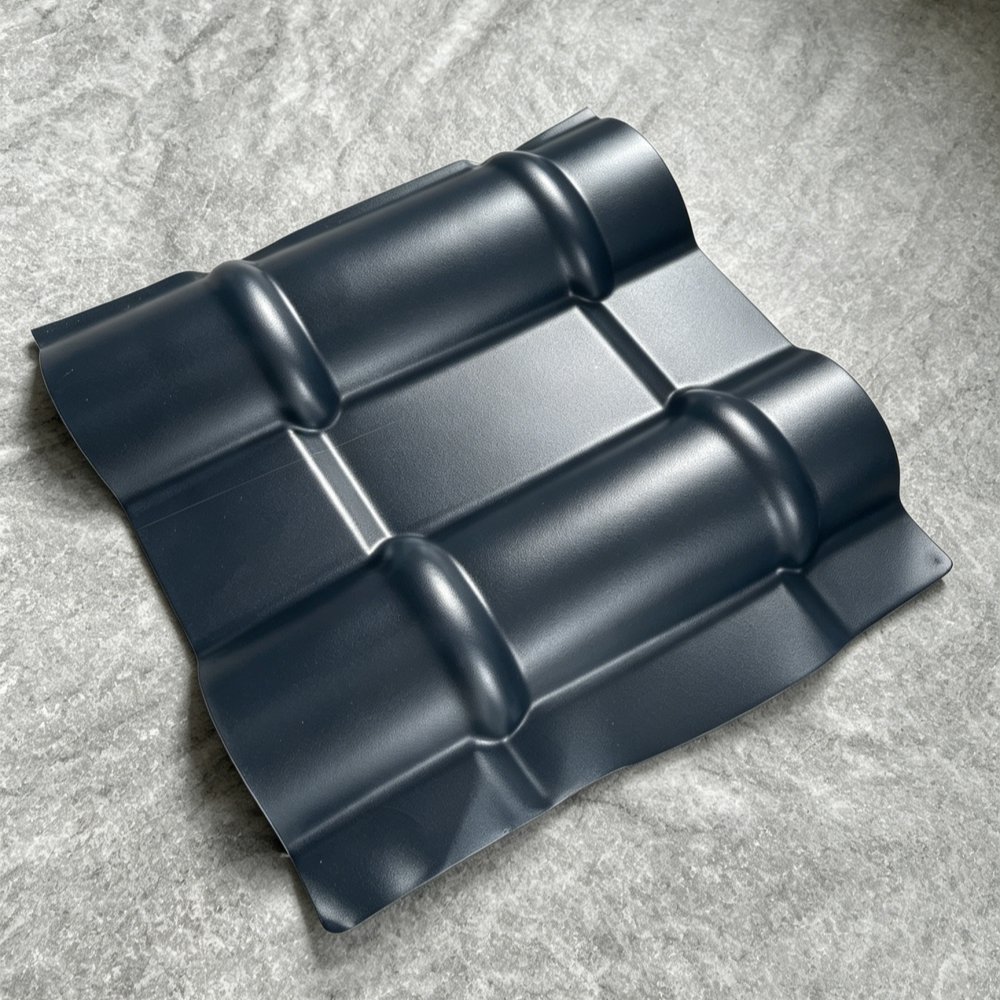
A high-performance roof cladding system is a critical investment for any building, providing the first line of defense against the elements. Moving beyond basic shelter, today's systems offer unparalleled durability, energy efficiency, and architectural versatility. The Newforge approach to roof cladding integrates advanced materials engineering with precision manufacturing, delivering a solution that stands the test of time and weather. Unlike traditional roofing methods, a comprehensive cladding system addresses thermal performance, moisture management, and structural integrity as a unified whole, resulting in lower lifecycle costs and enhanced building comfort.
Q: How does the insulation in a sandwich panel system benefit my building?
A: The insulated core provides continuous thermal resistance, drastically reducing heat loss in winter and heat gain in summer. This leads to significant energy savings on heating and cooling costs. Additionally, it improves occupant comfort by minimizing cold spots and condensation risk on the interior ceiling, and enhances the building's acoustic performance by dampening external noise like rain or hail.
Q: Can a roof cladding system be installed over an existing roof?
A: Yes, in many cases, a retrofitted over-roof system is a viable and efficient solution. It avoids the cost and disruption of a full roof tear-off. However, a crucial structural assessment is mandatory. An engineer must verify that the existing roof structure can support the additional dead load of the new system and any potential increased wind loads. The condition of the existing roof deck must also allow for safe installation and not harbor moisture or rot.
Q: What maintenance does a metal roof cladding system require?
A: Maintenance is generally minimal but essential for maximizing lifespan. We recommend bi-annual inspections, particularly after severe weather. Key tasks include clearing debris from gutters and roof surfaces, checking for and cleaning any biological growth (moss, algae) in shaded areas, inspecting sealants and flashings for deterioration, and ensuring all fixings remain tight. Any damage to the coating should be touched up promptly with manufacturer-approved paint to prevent substrate corrosion.
Q: How do I choose between PIR and Mineral Wool insulation cores?
A: The choice depends on your project's priorities. PIR foam offers a superior thermal resistance (lower U-value) per unit thickness, making it the best choice for maximizing energy efficiency where roof depth is limited. Mineral wool is non-combustible (Class A1) and provides excellent fire protection and acoustic insulation, making it mandatory or preferable for buildings with stringent fire safety regulations, such as schools, hospitals, or high-occupancy structures.
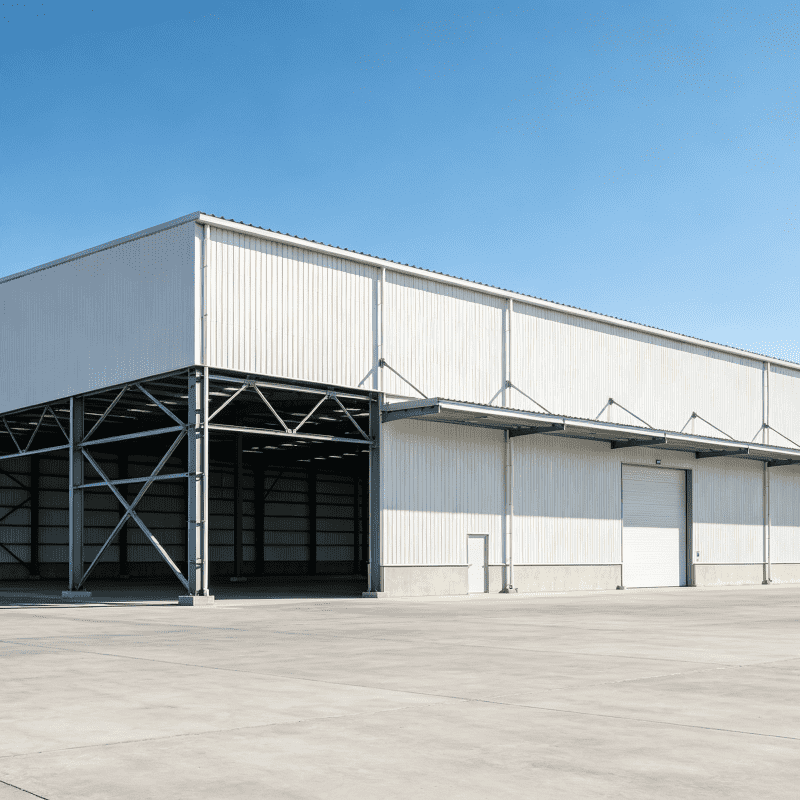
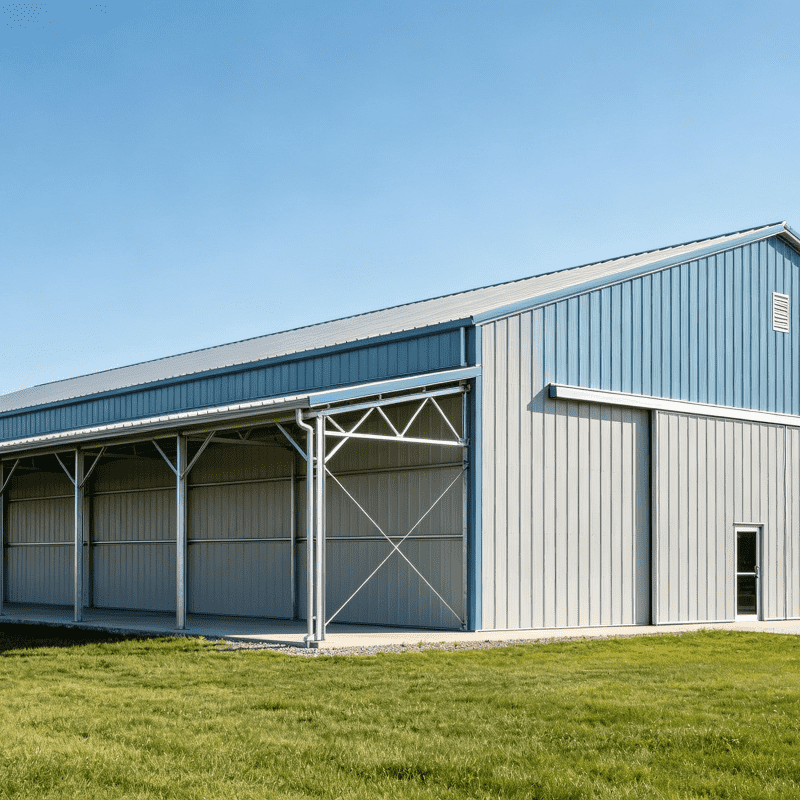
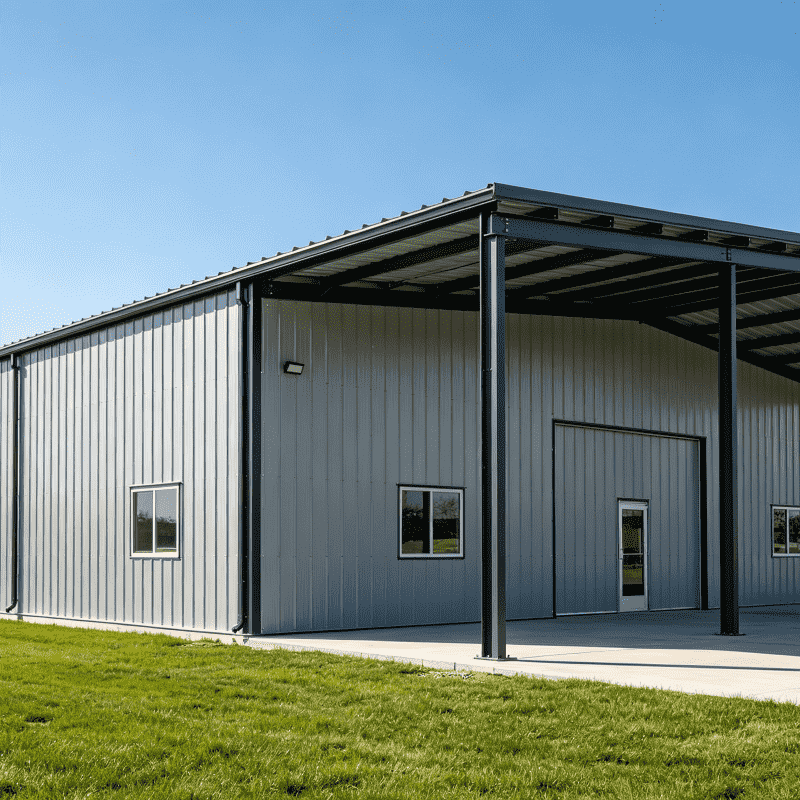
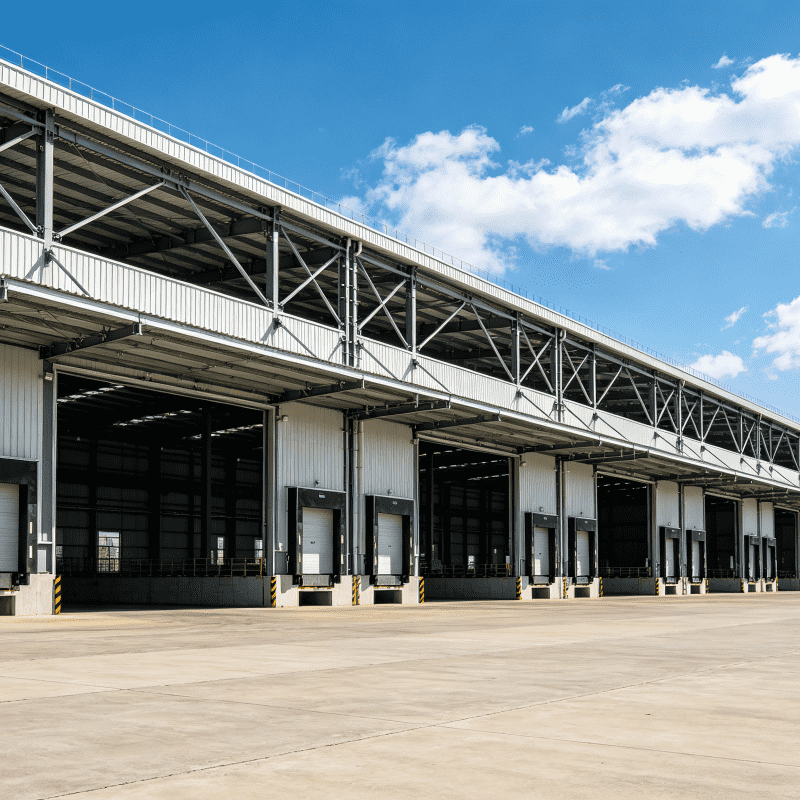
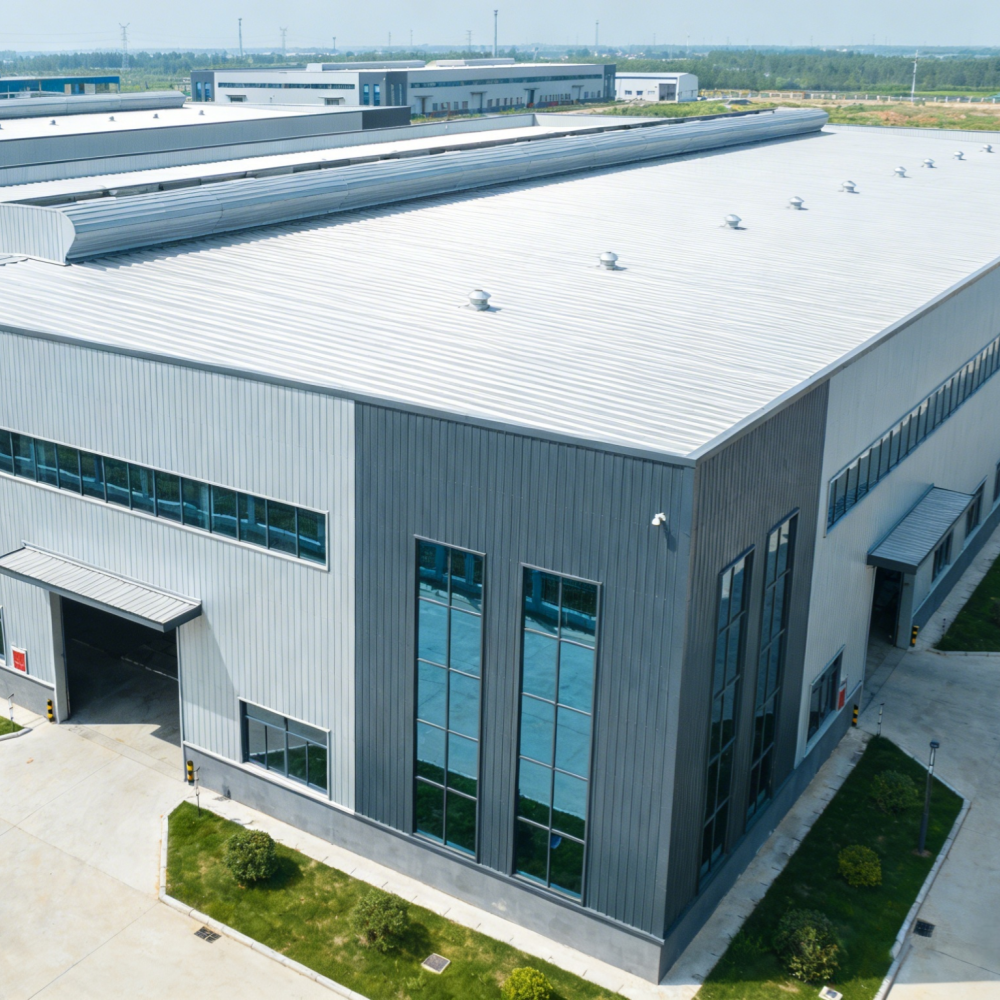
The versatility of the Newforge Roof Cladding System allows it to be specified for a vast range of projects, from functional industrial sheds to striking contemporary designs.