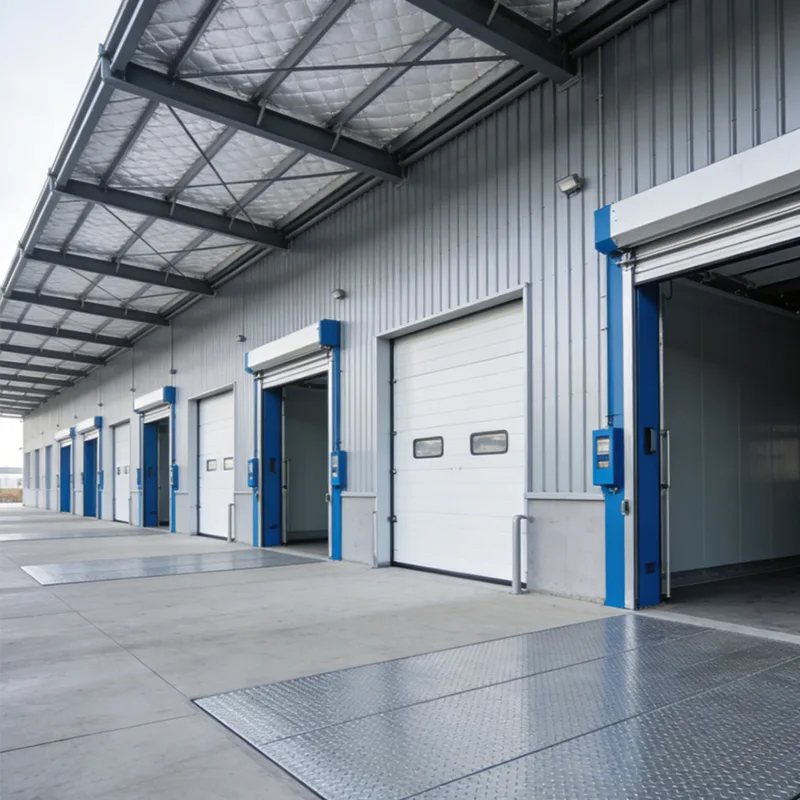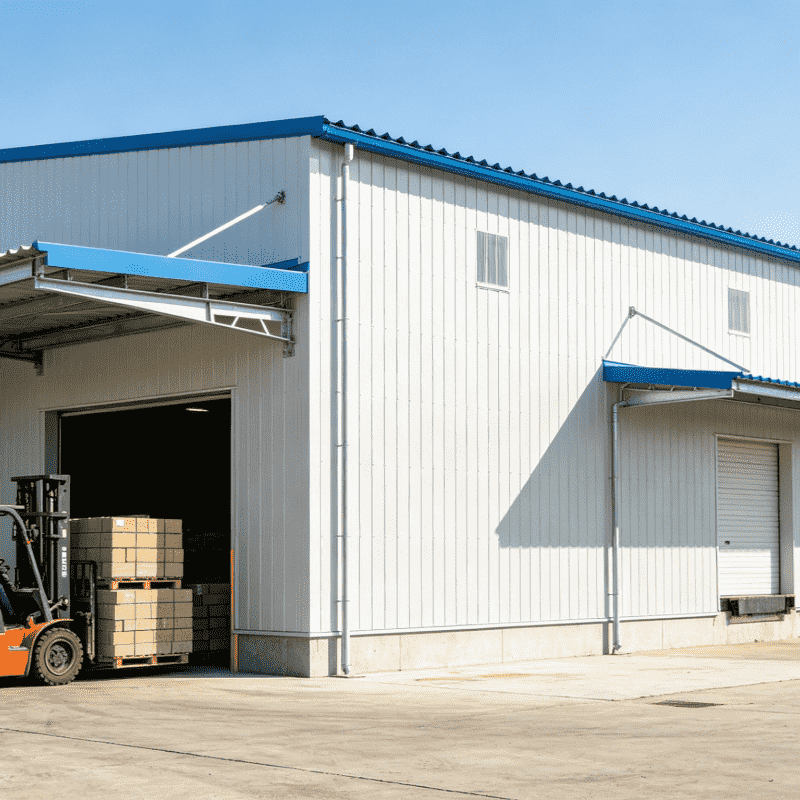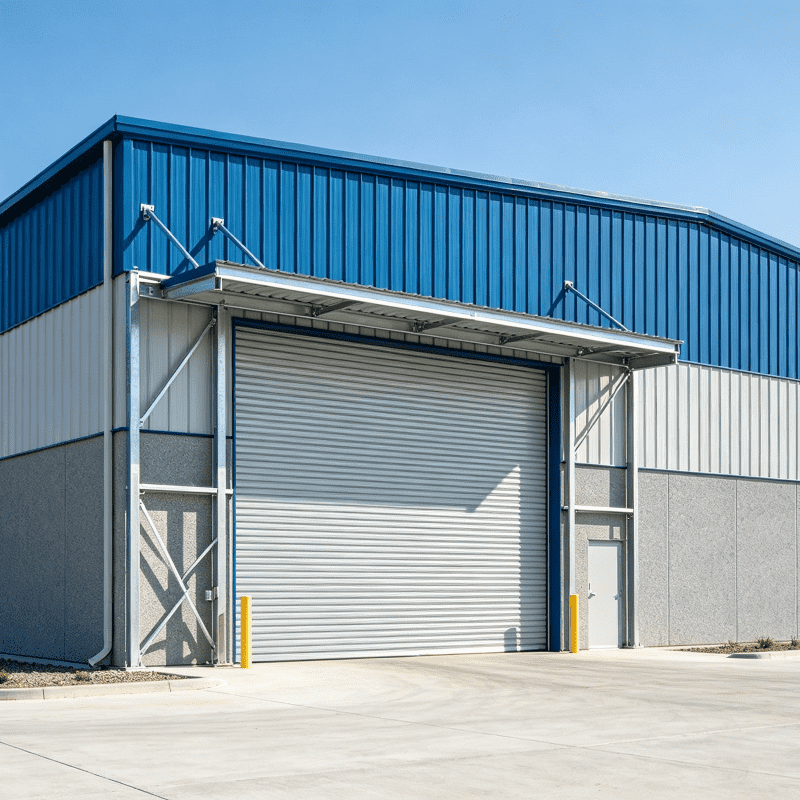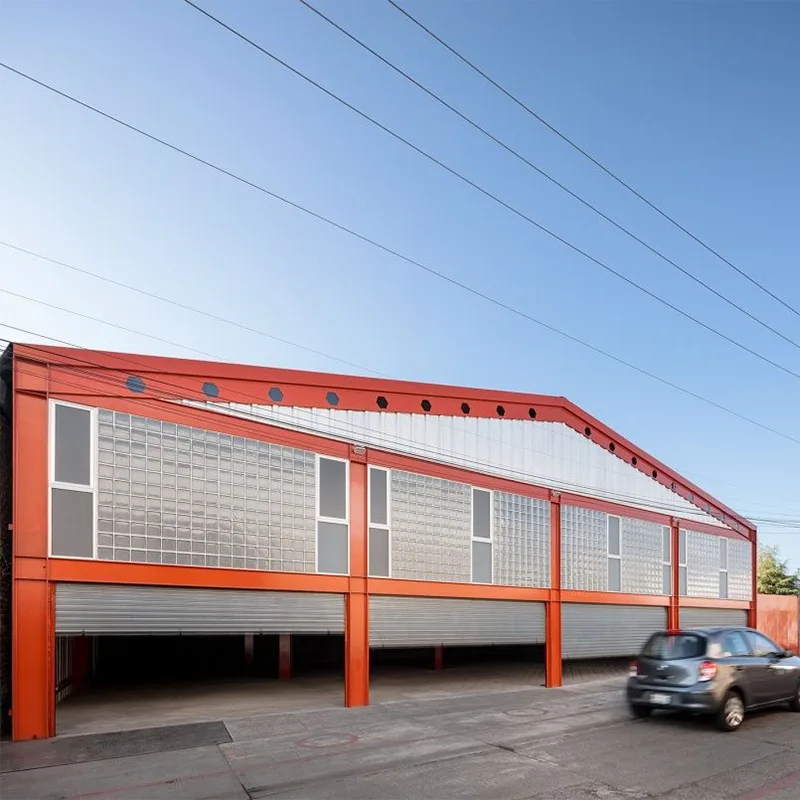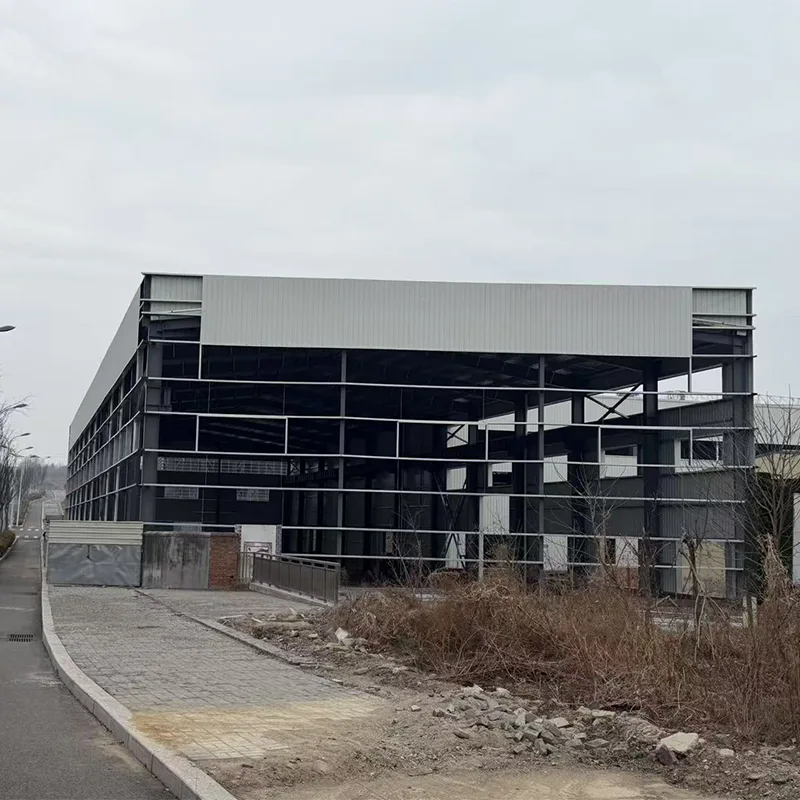
In the rapidly evolving global manufacturing landscape, industrial expansion has become a critical strategic move for enterprises seeking to increase production capacity. However, the traditional choice of reinforced concrete is quickly losing ground. Recent market data indicates that over 80% of heavy industrial firms now prioritize large-span steel structuresfor their new facilities. But what is driving this decisive shift?
Unmatched Spatial Flexibility and Functional Design
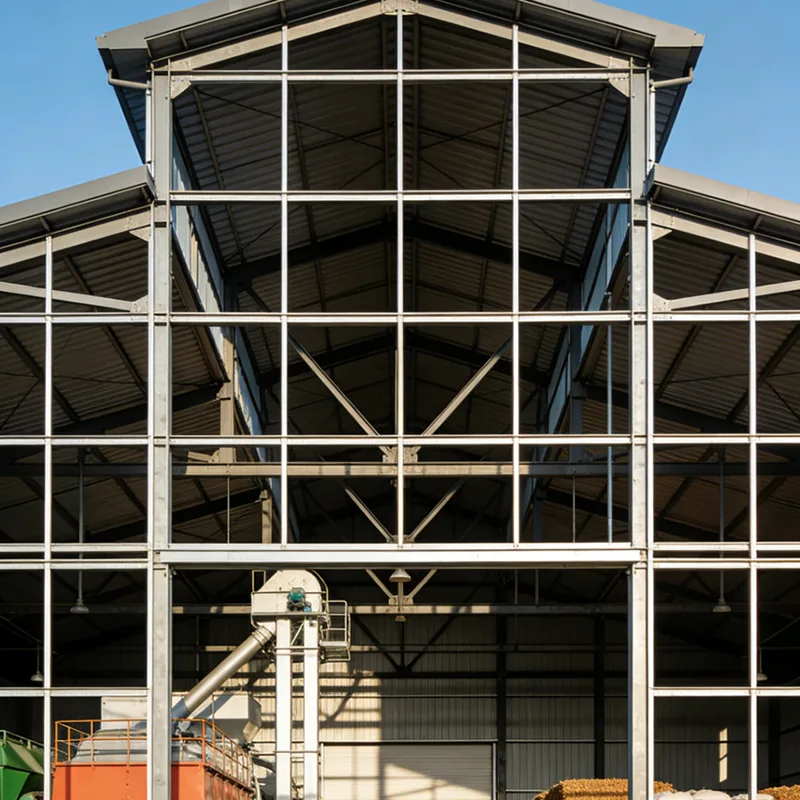
The primary draw of large-span steel structures lies in their ability to create vast, column-free interior spaces. For heavy industries—such as aerospace, automotive assembly, or heavy machinery manufacturing—interior columns are significant obstacles. By utilizing high-strength steel, engineers can design workshops with spans exceeding 60 or even 100 meters. This spatial freedom allows for the seamless installation of massive overhead cranes and optimized production lines, ensuring that industrial expansion truly translates into operational fluidity.
Revolutionizing Construction Efficiency.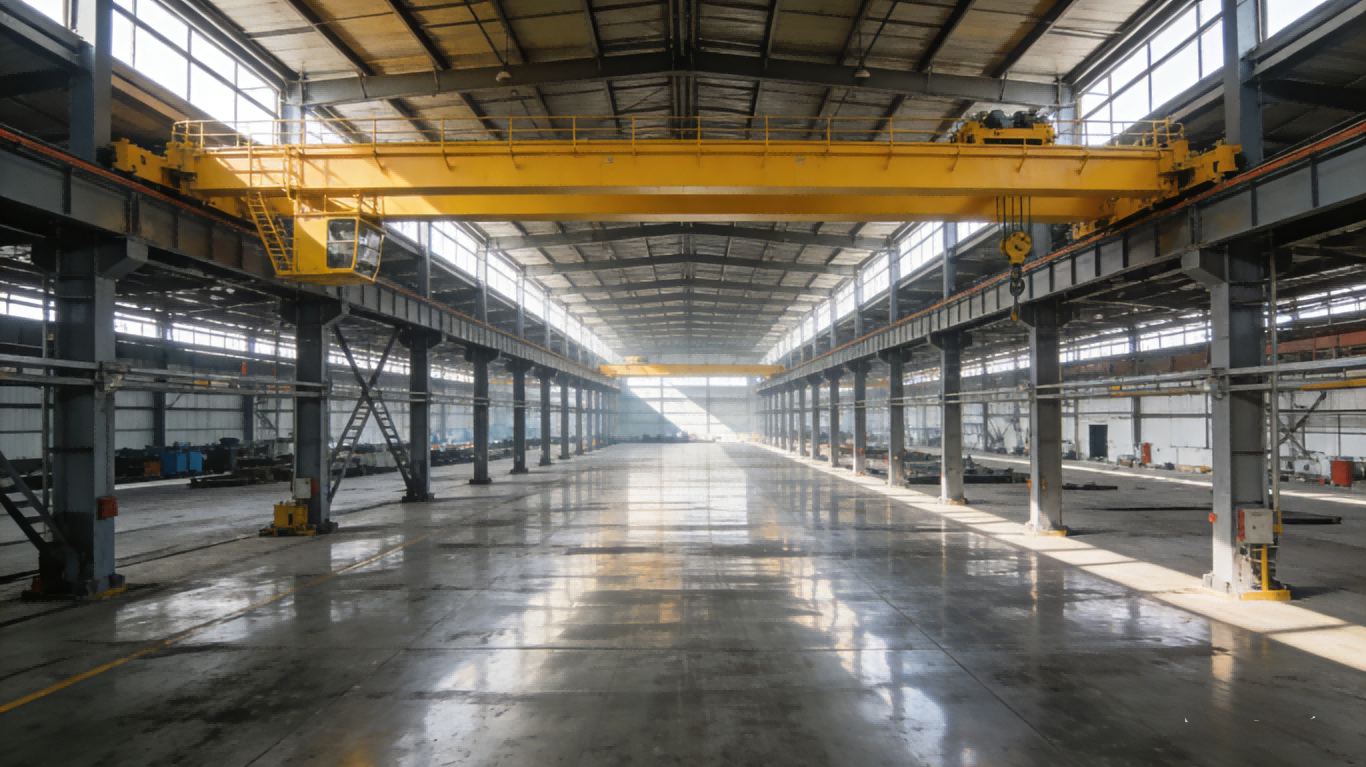
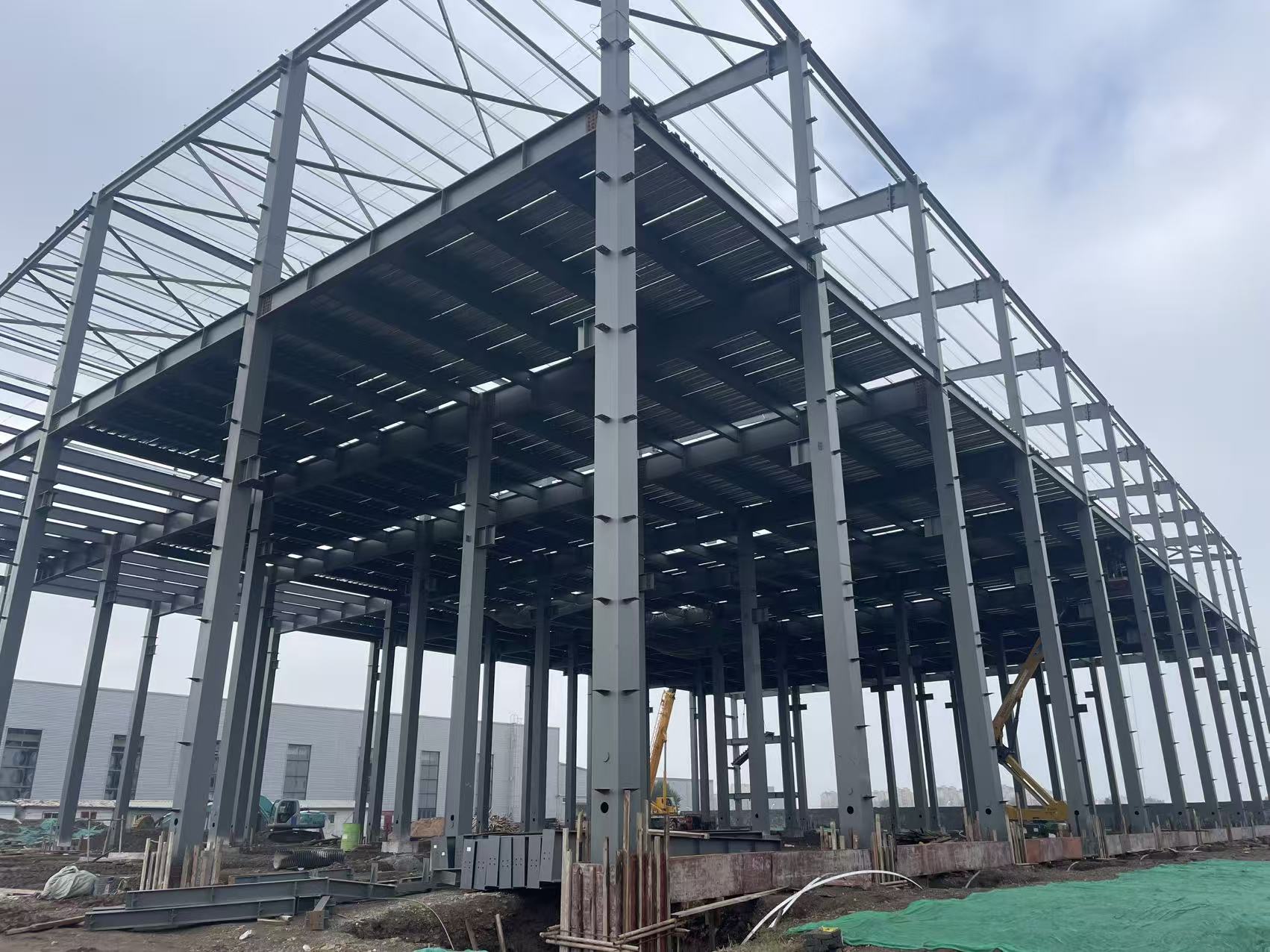
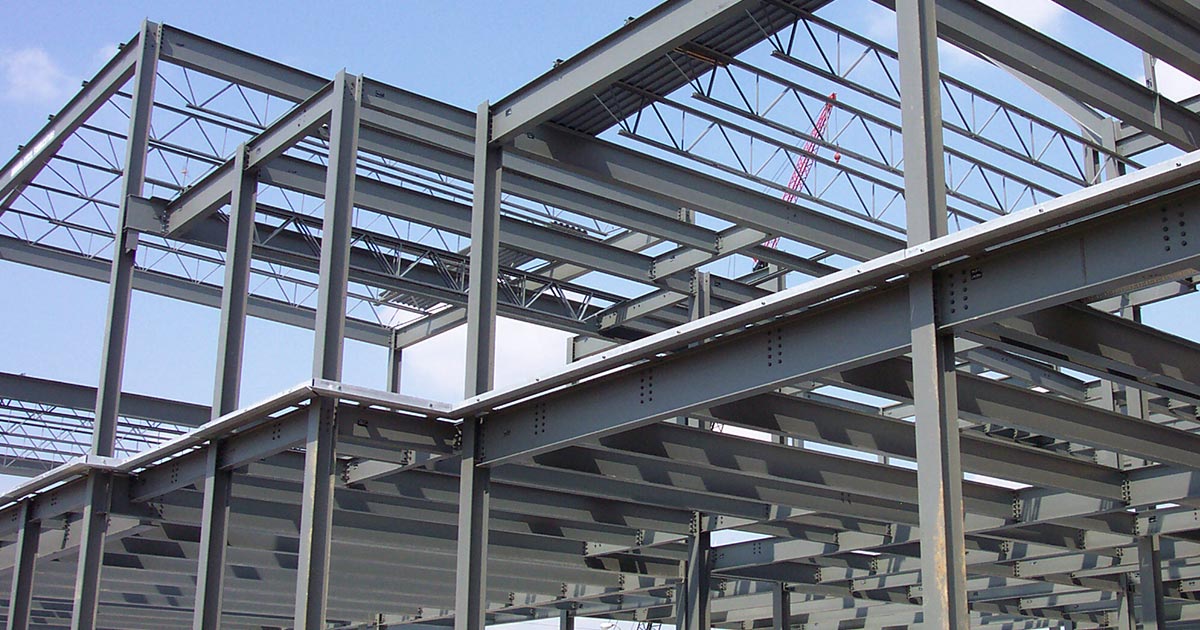
Time is money in the industrial sector. One of the most significant advantages of choosing steel over concrete is the dramatic leap in construction efficiency. Unlike concrete, which requires extensive on-site formwork and curing time, steel components are precision-engineered in a factory environment. These prefabricated parts are then bolted together on-site. This "assembly-line" approach to building can shorten project timelines by 30% to 50%, allowing companies to start production months ahead of schedule. When considering the ROI of an industrial expansion, the speed of steel is often the deciding factor.
Superior Structural Durability and Sustainabiliy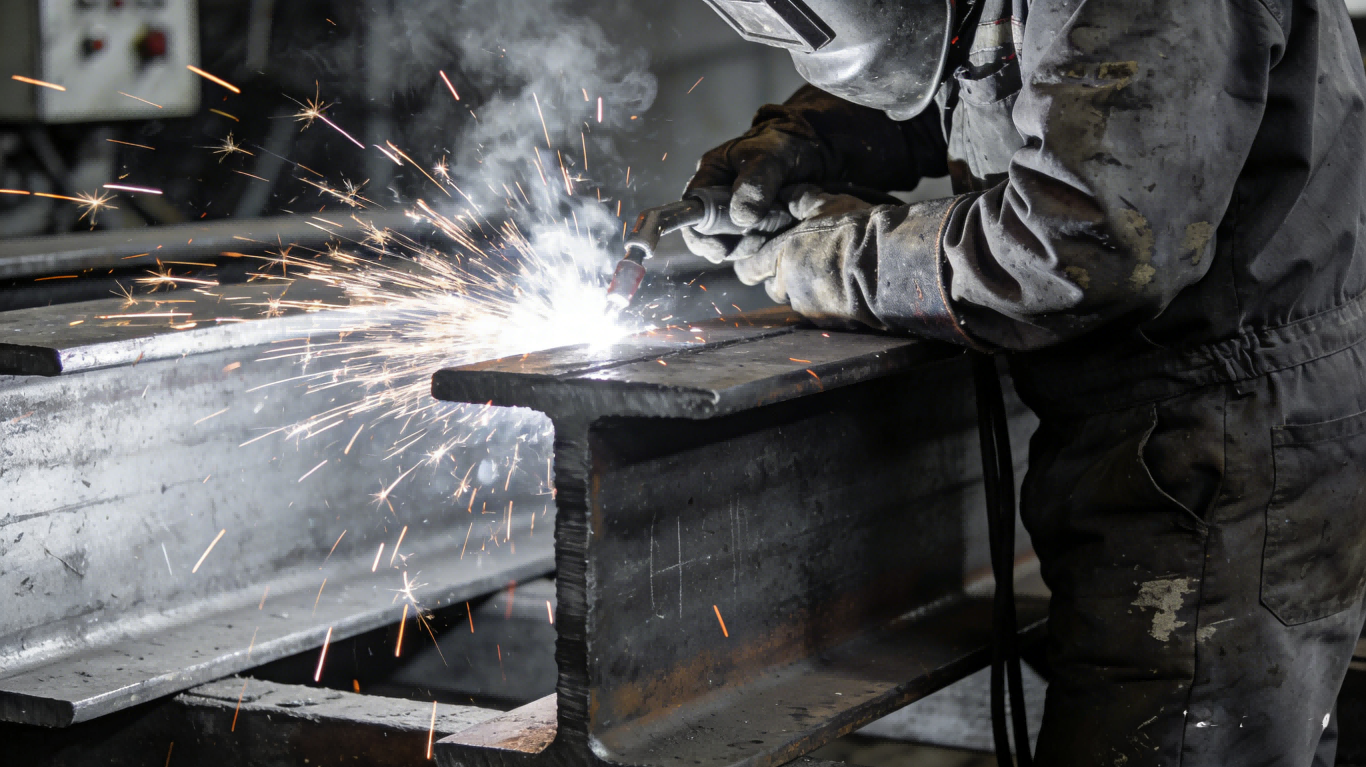
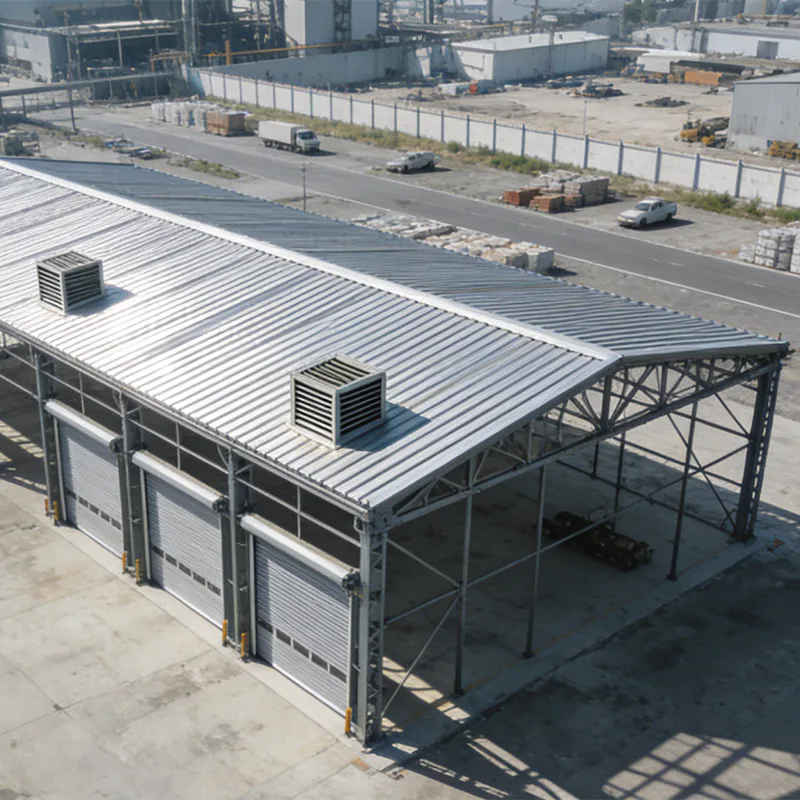
Heavy industrial environments subject buildings to extreme stress, including heavy vibrations from machinery and potential chemical exposure. Large-span steel structuresoffer exceptional structural durability due to their high strength-to-weight ratio and superior seismic resistance. Modern anti-corrosion coatings and advanced fireproofing have further enhanced the lifespan of these buildings. Moreover, steel is 100% recyclable, making it the preferred choice for corporations aiming to meet "Green Factory" standards and ESG goals.
Cost-Effectiveness Throughout the Lifecycle
While the raw material cost of steel can fluctuate, the total lifecycle cost of large-span steel structures is remarkably competitive. The reduced weight of the steel frame leads to lower foundation costs, and the high construction efficiency reduces labor expenses. Furthermore, the inherent flexibility of steel makes future modifications or further industrial expansion much simpler and cheaper than breaking down reinforced concrete.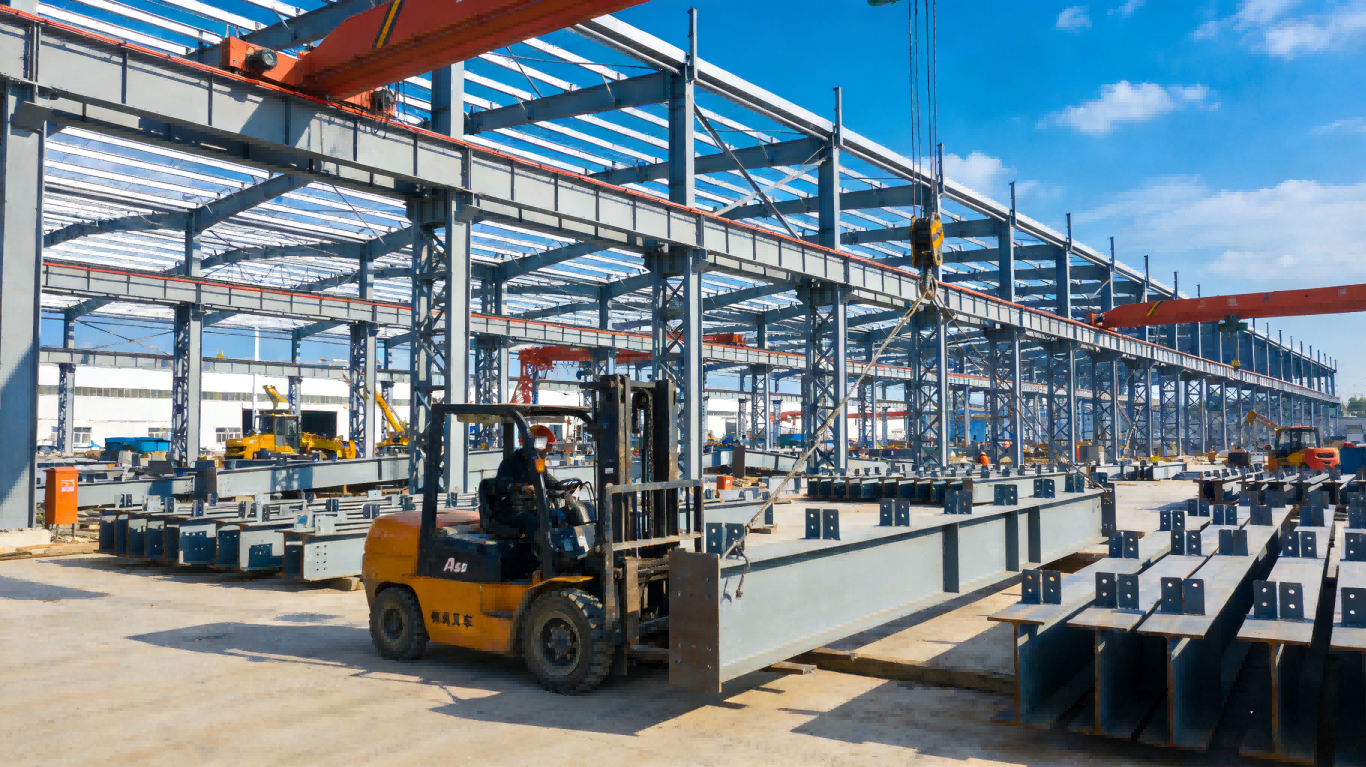
Conclusion
The dominance of steel in heavy industry is not a trend; it is a technical necessity. By offering a perfect balance of construction efficiency, massive spatial capacity, and long-term structural durability, large-span steel structures have become the gold standard for modern industrial growth. As we move toward smarter, more flexible manufacturing, the "Steel Revolution" is only set to accelerate