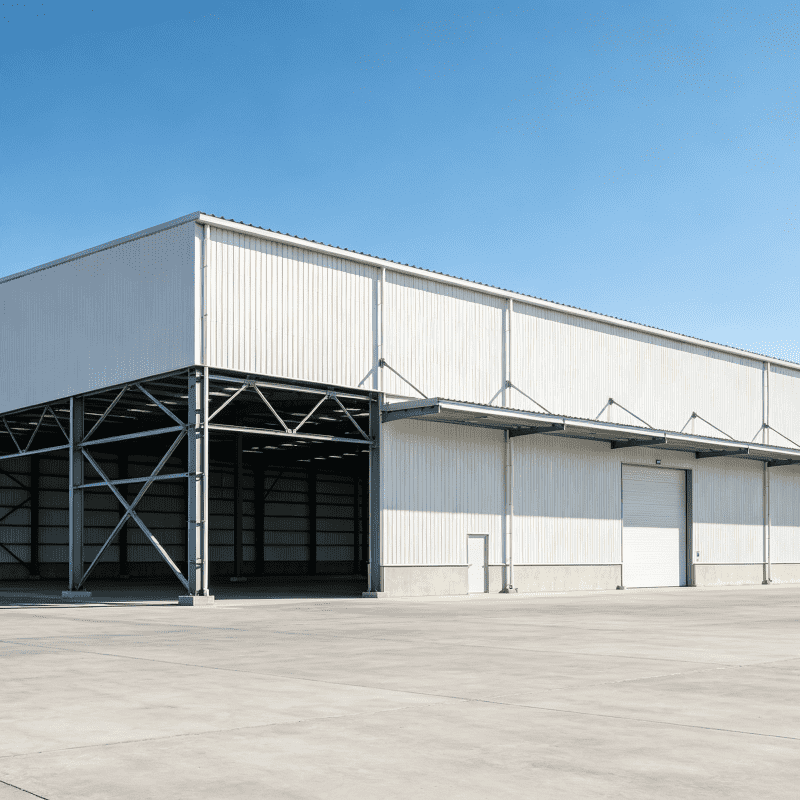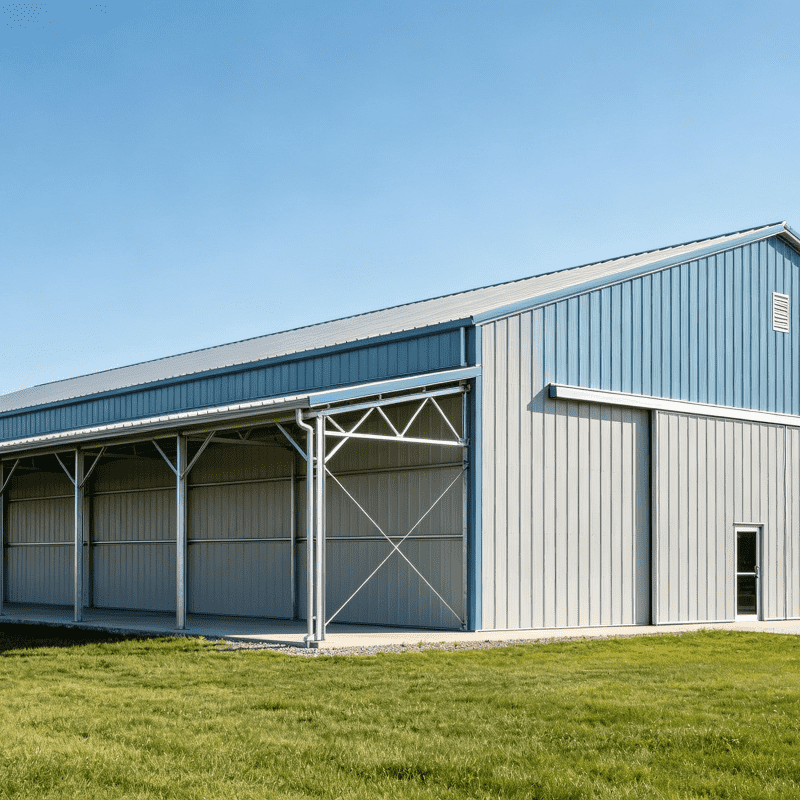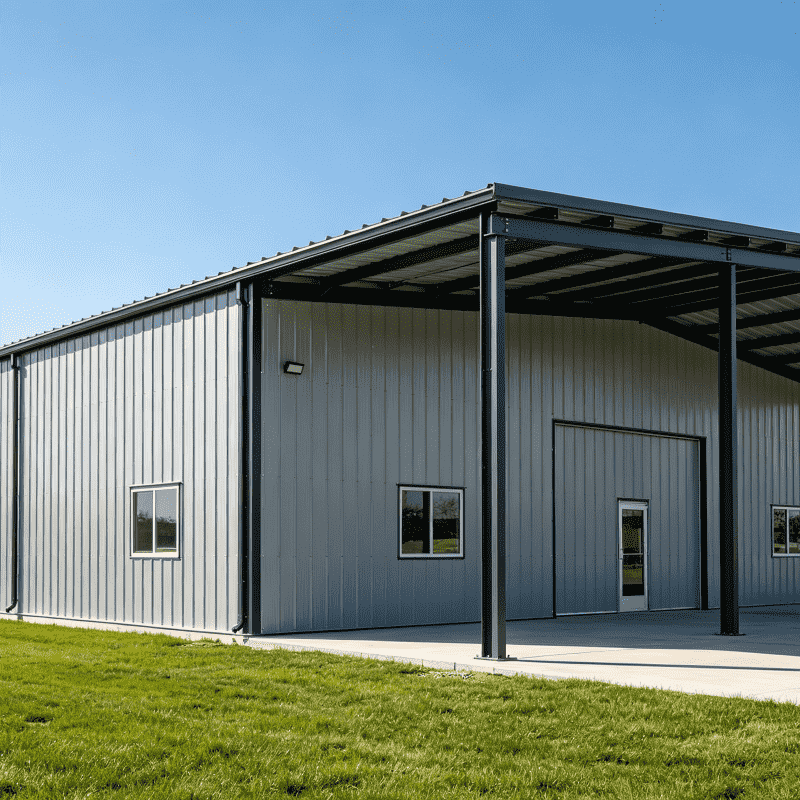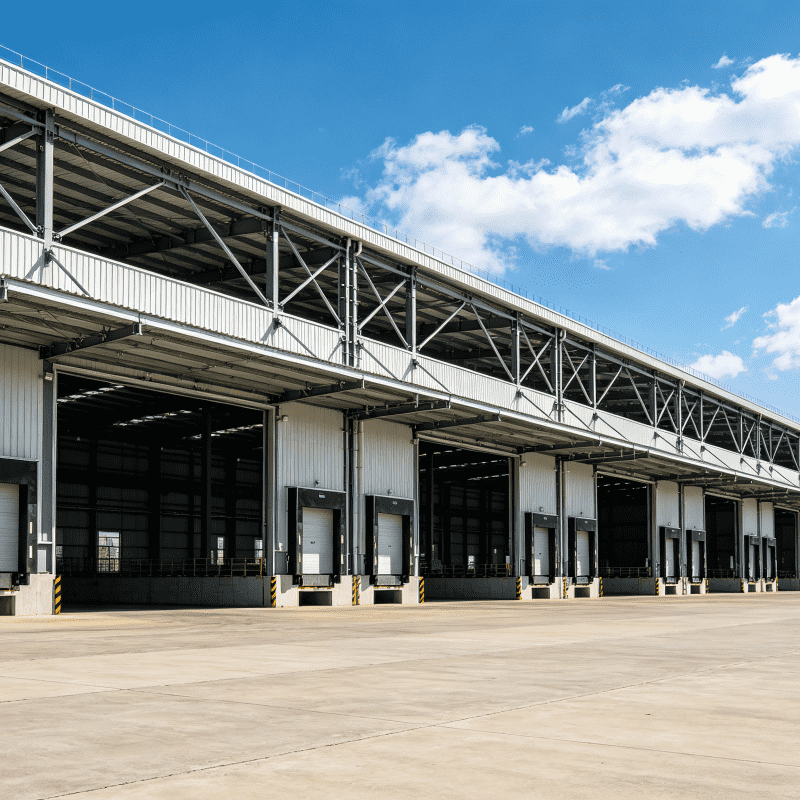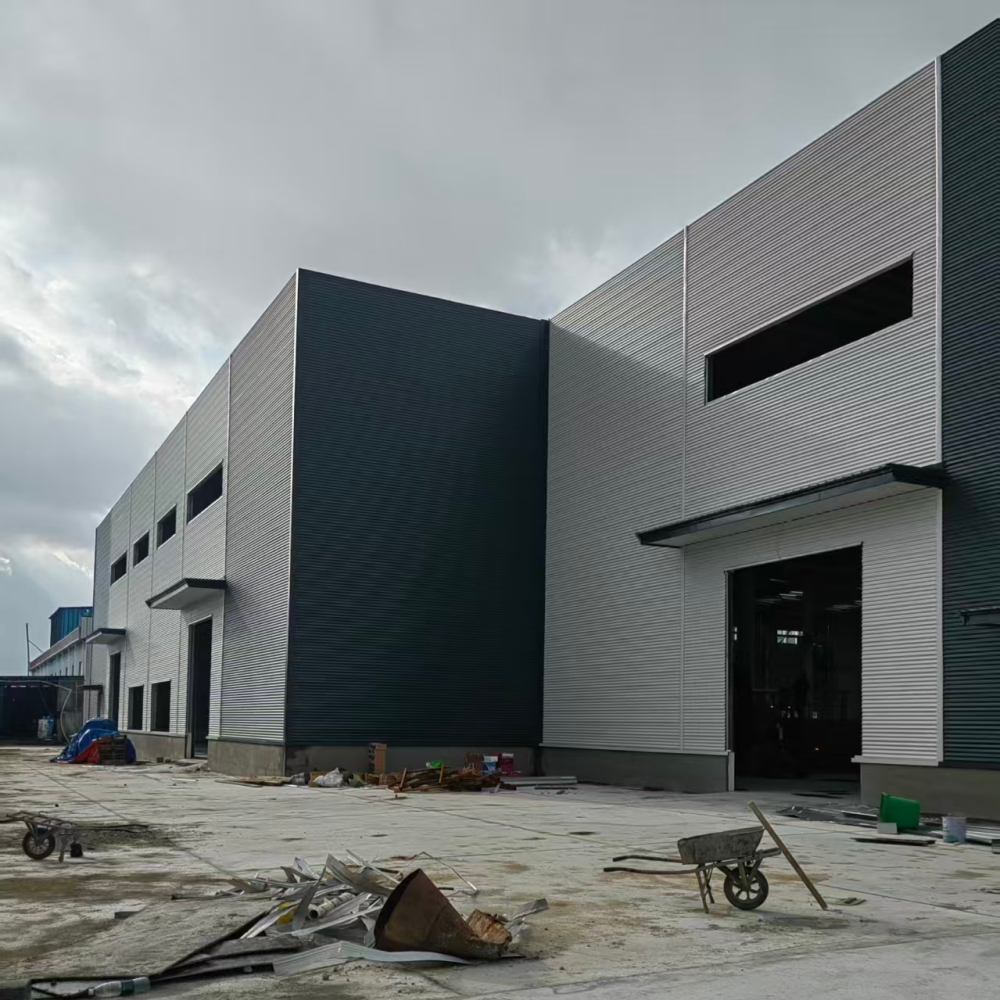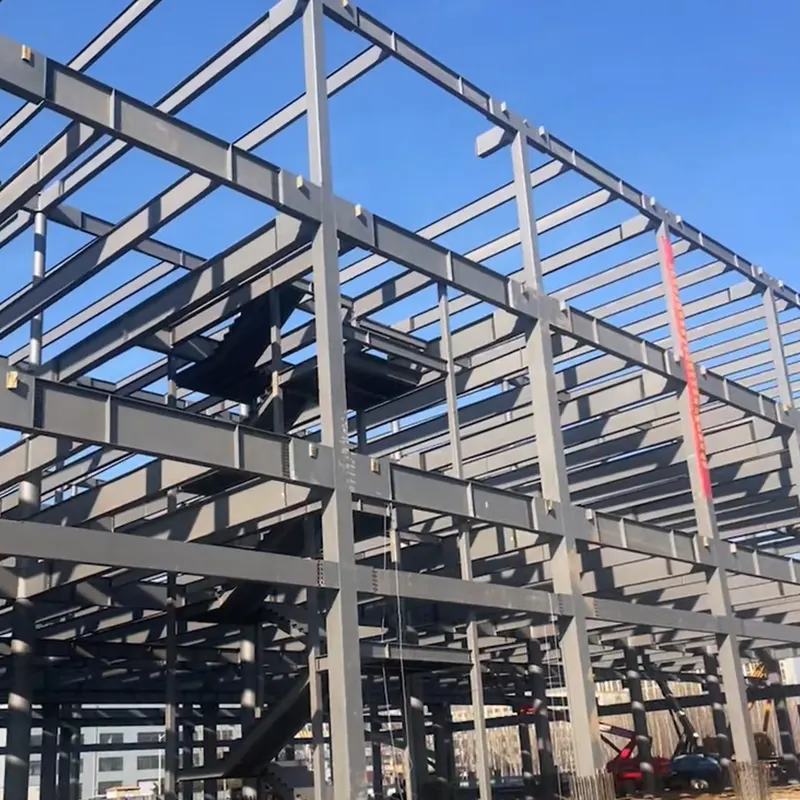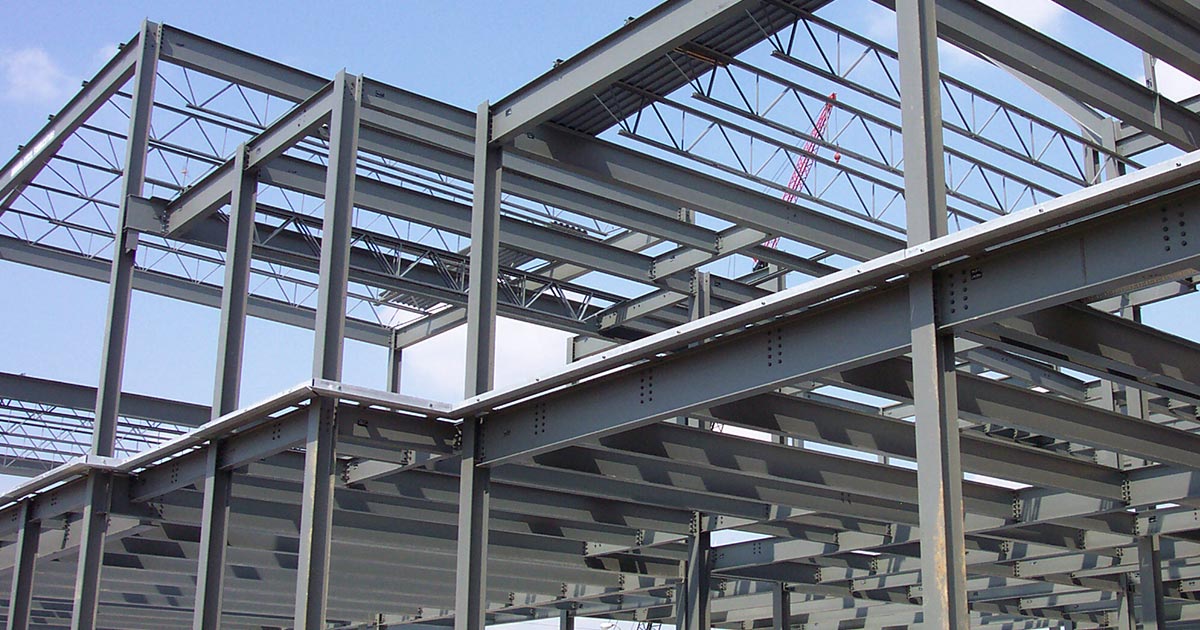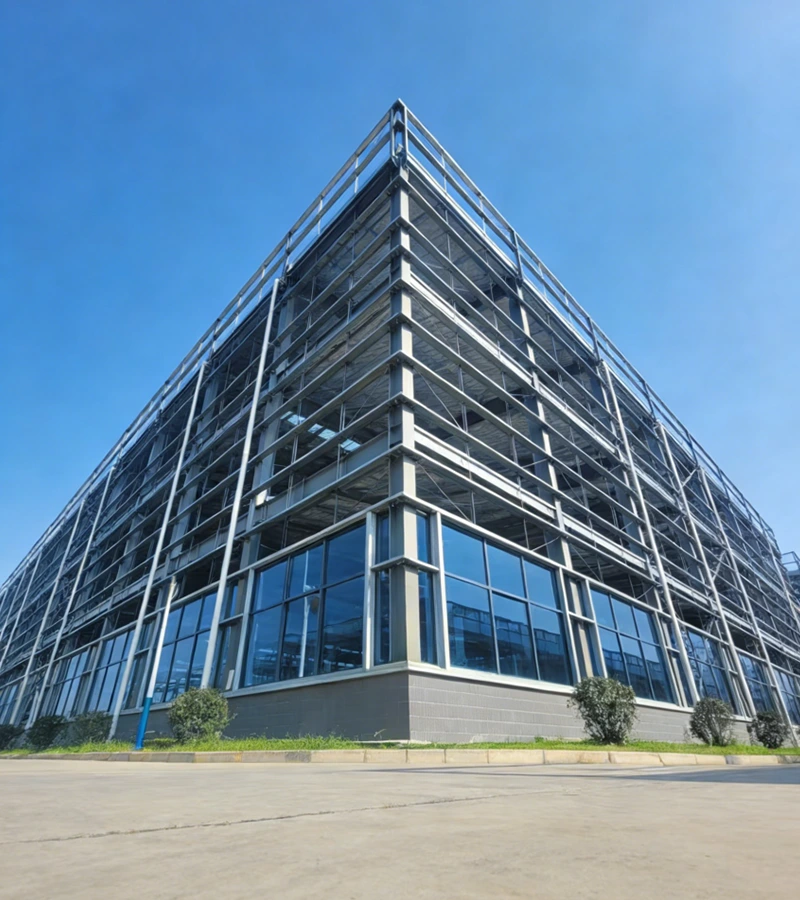
In the world of construction and engineering, the integrity of any structure relies on a hierarchy of components. While primary frames bear the main loads, it is the network of Secondary Structural Members that provides critical support, stability, and shape to the overall assembly. These members, including purlins, girts, braces, struts, and truss components, are the unsung heroes that transfer loads, resist environmental forces, and form the skeleton for cladding and roofing systems. Choosing the right secondary members is not a mere detail; it's a fundamental decision impacting a building's longevity, safety, and performance. At Newforge, we specialize in engineering and manufacturing premium secondary structural members designed to meet the most demanding specifications across commercial, industrial, and agricultural projects.
Q: What exactly is the difference between a primary and a secondary structural member?
A: Primary structural members (like columns, main beams, and trusses) form the principal load-bearing frame of a structure, carrying gravity loads from floors and roofs and transferring them to the foundations. Secondary Structural Members are elements that are attached to this primary frame. Their primary function is to support the building envelope (cladding, roofing) and transfer these loads—such as wind, snow, and the weight of the cladding itself—back to the primary structure. Think of the primary frame as the skeleton's major bones, while the secondary members are the ribs and smaller bones that give it shape and support the skin.
Q: How do I choose between C-Sections and Z-Sections for my roof purlins?
A: The choice often depends on the roof slope and connection details. Z-sections are generally more efficient for sloping roofs because their centroid is offset, allowing them to be nested (stacked) for transport and often providing a higher section modulus for the same weight of steel. They are the standard for metal building systems. C-sections are symmetrical and are often preferred for wall girts or where simple, straightforward bolted connections to both flanges are required. Newforge engineers can run comparative analyses to determine the most cost-effective and performance-optimized section for your specific project geometry and loading.
Q: What corrosion protection level do I need for my secondary steel in a coastal or industrial area?
A: In aggressive environments, standard galvanizing (e.g., Z275) may not be sufficient over the long term. For coastal (salt-spray) or industrial (chemical pollution) atmospheres, Newforge recommends a higher zinc coating mass, such as Z450 or Z600. Additionally, specifying a powder-coated finish over the galvanizing provides a dual-layer protective system. The powder coat adds a physical barrier and UV protection while offering a color finish. For extreme cases, we can supply members made from weathering steel or with specialized industrial paint systems. Our technical team can advise based on your site's specific corrosion category.
Q: Can Newforge provide custom lengths and complex fabrication for non-standard designs?
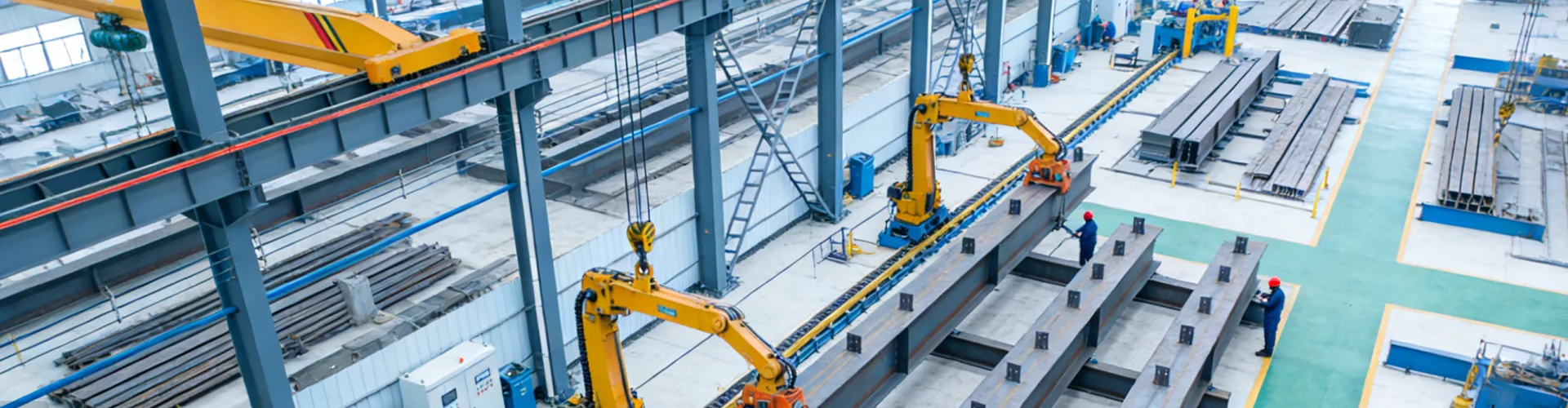
A: Absolutely. While we stock standard lengths for common profiles, a significant portion of our work is custom fabrication. Our CNC-controlled roll-forming, punching, and cutting lines can produce members in exact non-standard lengths, with custom hole patterns, end cuts, and welded attachments. This is essential for complex architectural designs, retrofits, or structures with unique geometries. Simply provide us with your detailed drawings or BIM model, and we will manufacture to your precise specifications.
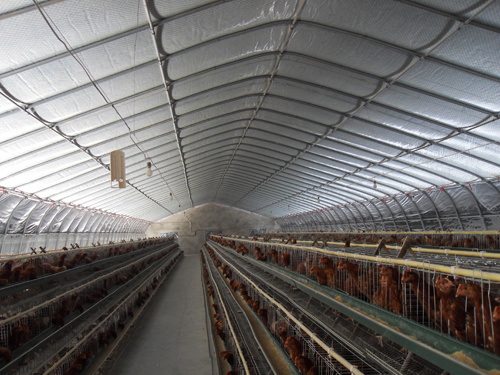
The versatility of Newforge secondary structural members makes them suitable for a vast array of applications: