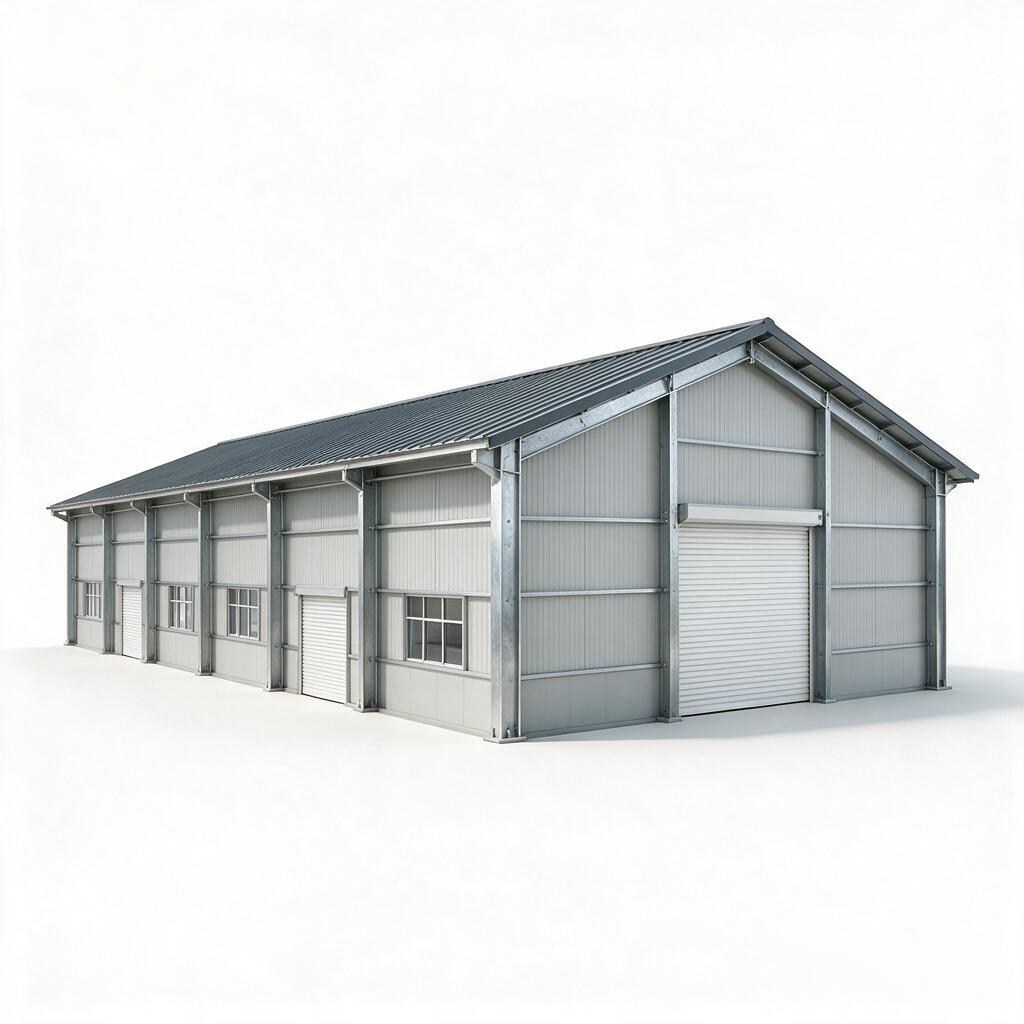
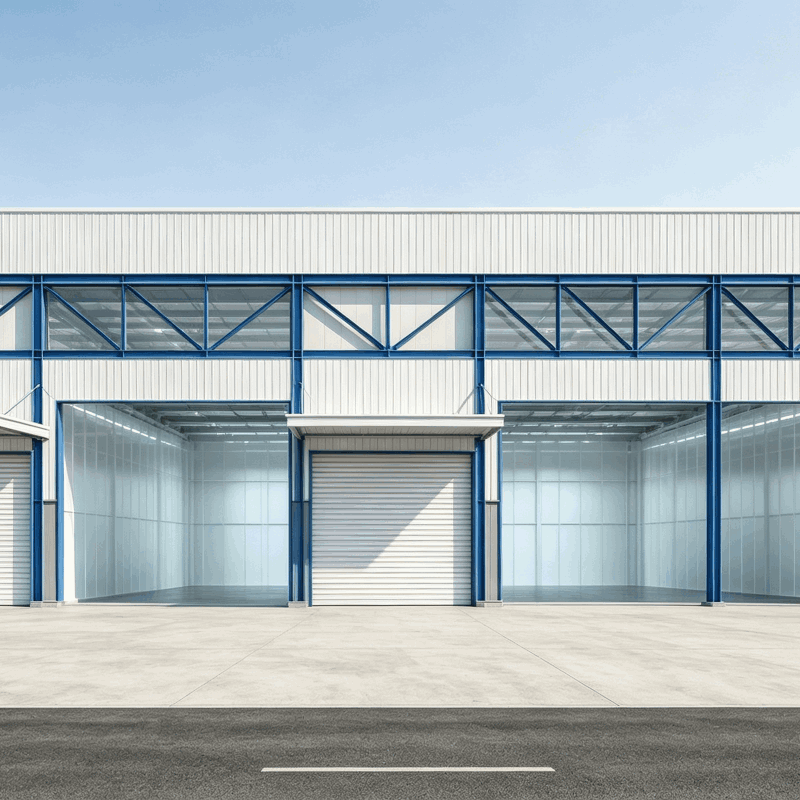
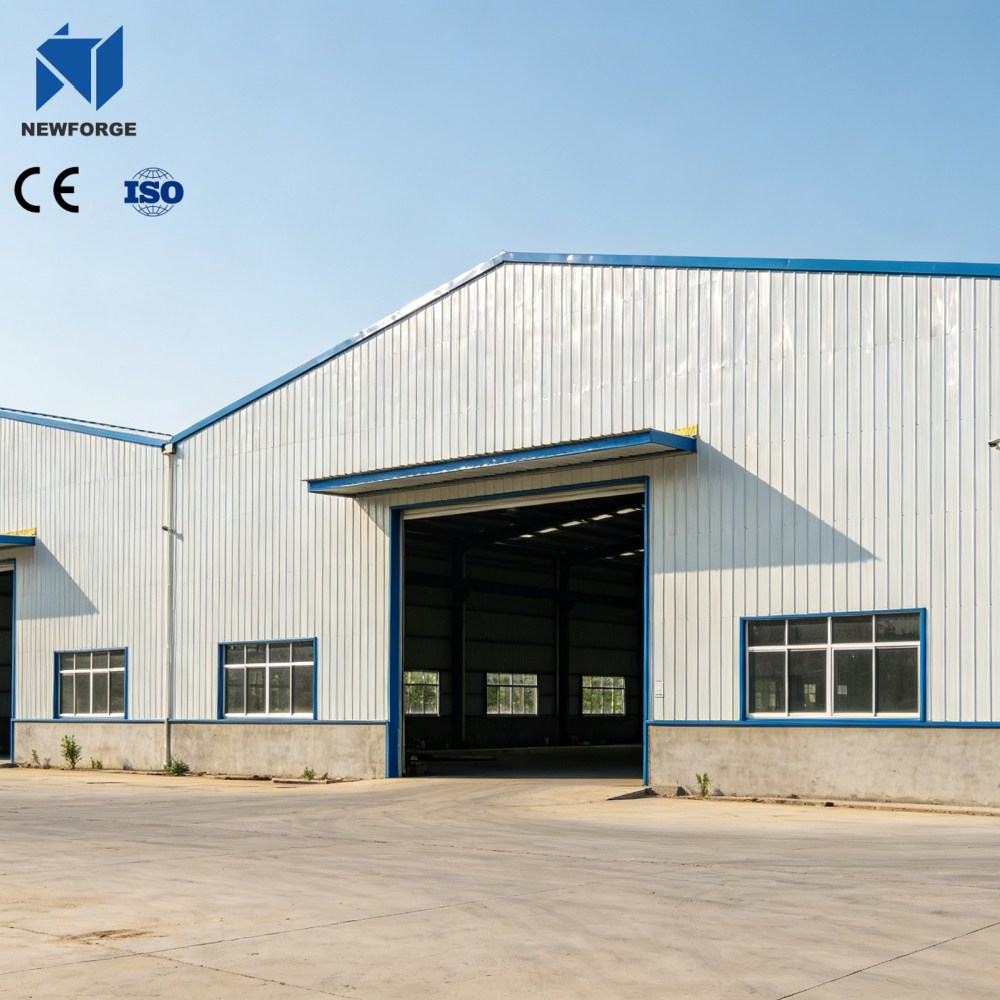
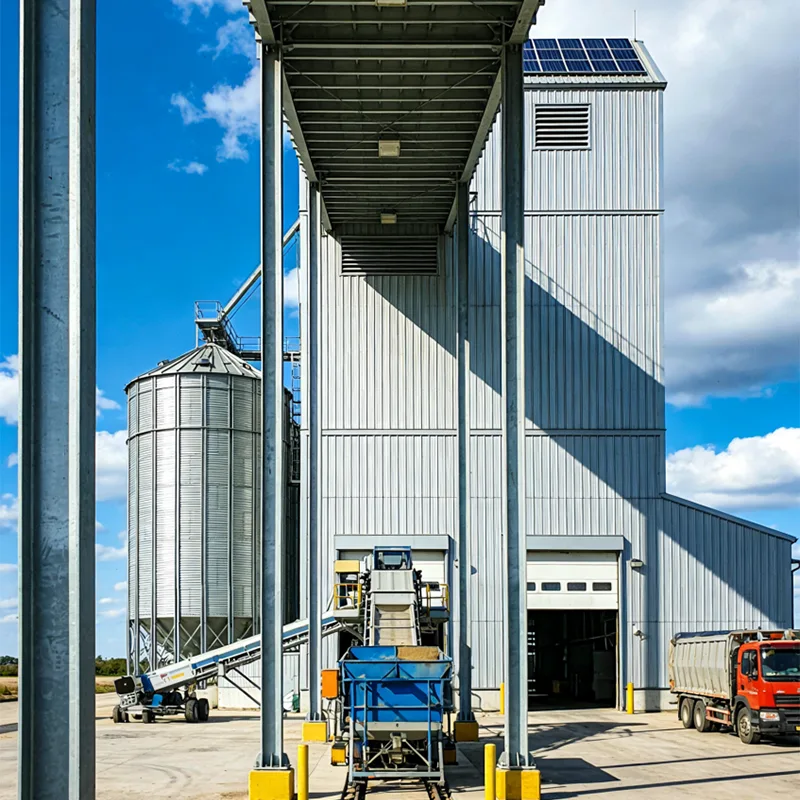
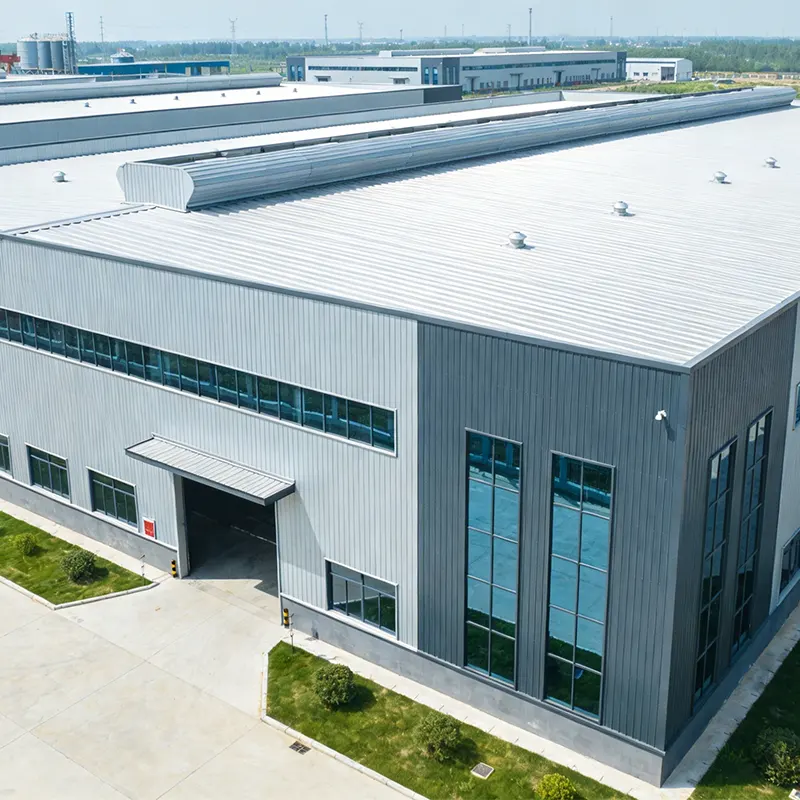
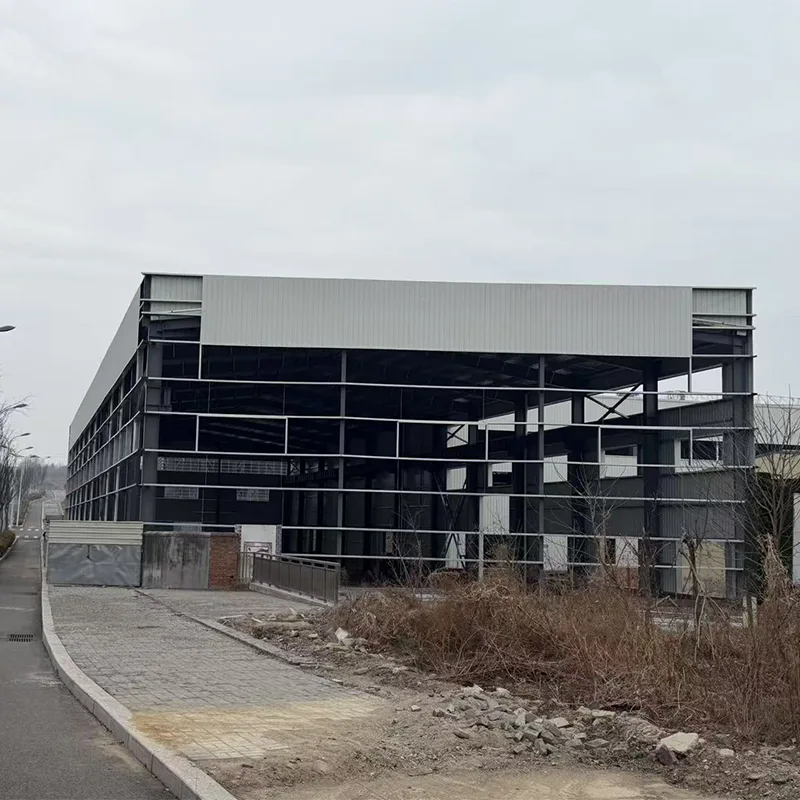
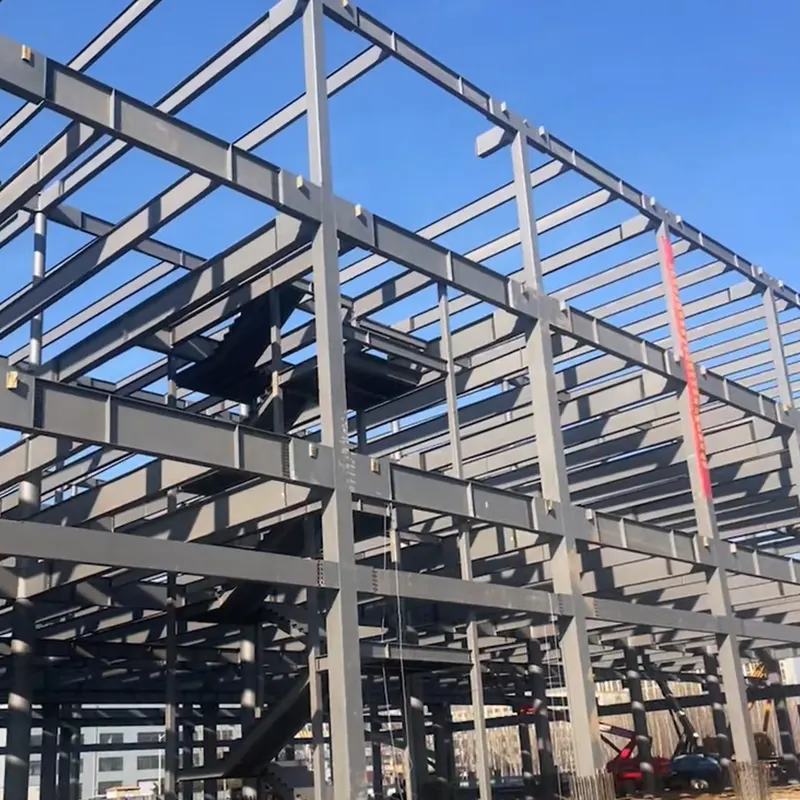
The installation of industrial steel structure is a key link in modern building construction, which is widely used in plants, warehouses, large facilities and other projects. It has the advantages of short construction period, high strength and good seismic performance. The core process includes construction preparation, component hoisting, connection and fixing, correction and adjustment, quality acceptance and other stages, which shall strictly comply with national specifications to ensure safety and accuracy.
1. Construction preparation
Joint review of technology and drawings
Before construction, joint review of drawings shall be completed, node design shall be detailed, and special construction scheme shall be prepared to specify hoisting sequence, mechanical selection and safety measures. At the same time, technical disclosure shall be carried out to ensure that all personnel work with certificates.
Inspection of materials and components
Ex-factory certificates and test reports shall be provided for steels, high-strength bolts, welding materials, etc. Mechanical properties and chemical compositions shall be sampled for re-inspection if necessary. Dimension deviation, hole accuracy and surface quality shall be inspected after mobilization of members.
Foundation retest
The civil engineering unit shall retest the axis, elevation and embedded bolt position after completing the foundation construction to ensure compliance with the design requirements.
2. Installation process of main structure
Installation of steel column
Truck crane or crawler crane shall be used for hoisting, and it shall be pushed from the middle to both ends or one end to the other end in priority to form a stable spatial stiffness unit. Provide guy wire or temporary support during installation to prevent overturning.
Steel beam installation
The main beam shall be installed after the steel column is calibrated and fixed, and the secondary beam shall be followed up. The ground assembly integral hoisting method can be adopted to improve the efficiency and safety. The upper layer of the same span steel beam should be installed first and then pushed down layer by layer.
Support System and Purline Installation
The installation of tie bars between columns, roof purlins and wall purlins shall be carried out synchronously to enhance the structural stability.
3. Connection and fixing
High-strength bolt connection
Bolts shall be inserted freely, and gas cutting and reaming are strictly prohibited. The connection is divided into two stages: initial screwing and final screwing to ensure that the torque value meets the standard, and the friction surface shall be free of oil stain or rust. Torque spot check is required after final screwing.
Welded connection
Bevels shall be made before welding, interpass temperature shall be controlled (150 ℃~250 ℃), ultrasonic or radiographic inspection shall be carried out within 24 hours after welding, and Level I weld shall not be repaired more than twice. Drying magnetic ring shall be used for stud welding to avoid moisture affecting quality.
4. Measurement correction and quality control
During installation, the axis, verticality and elevation shall be continuously monitored, and the deviation shall be strictly controlled (for example, the allowable deviation of 400m high tower is only 13cm).
Upon completion of installation of each section of frame, error inspection and correction shall be carried out for columns and beams, and bolts shall be fastened or welded after passing the inspection.
Implement "three-inspection system" (self-inspection, mutual inspection and special inspection) to ensure that the quality of the whole process is controllable.
5. Safety and Environmental Protection Management
Safety belt must be worn for high-altitude operation, and safety net and protective barrier shall be set.
Warning signs shall be set in the hoisting area to prevent irrelevant personnel from entering. Hoisting commanders shall work with certificates.
Wastes shall be recycled by classification at the construction site. It is forbidden to throw wastes at heights.
We use cookies to offer you a better browsing experience, analyze site traffic and personalize content. By using this site, you agree to our use of cookies. Privacy Policy