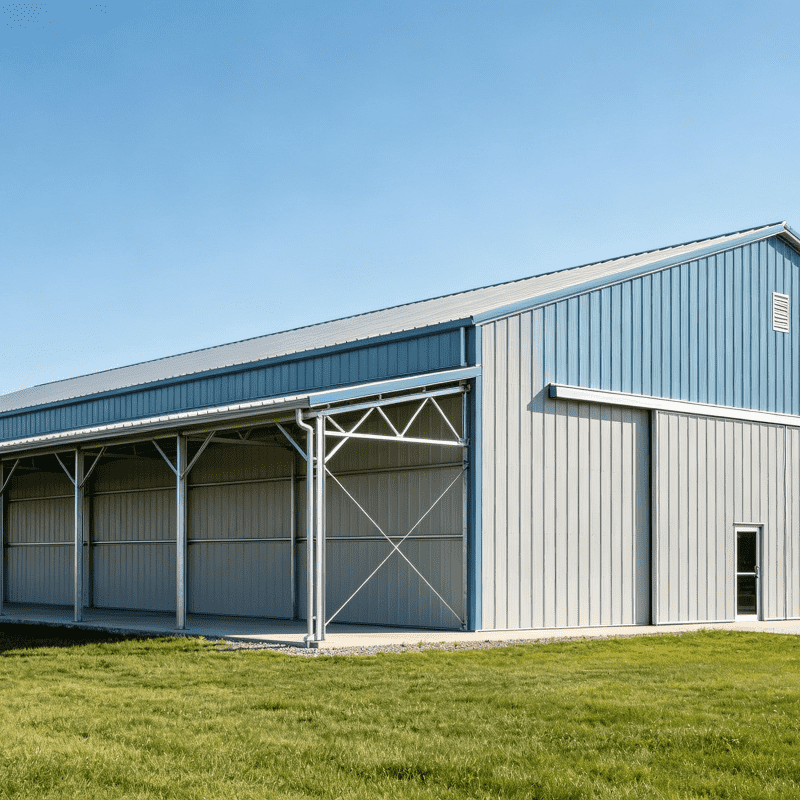
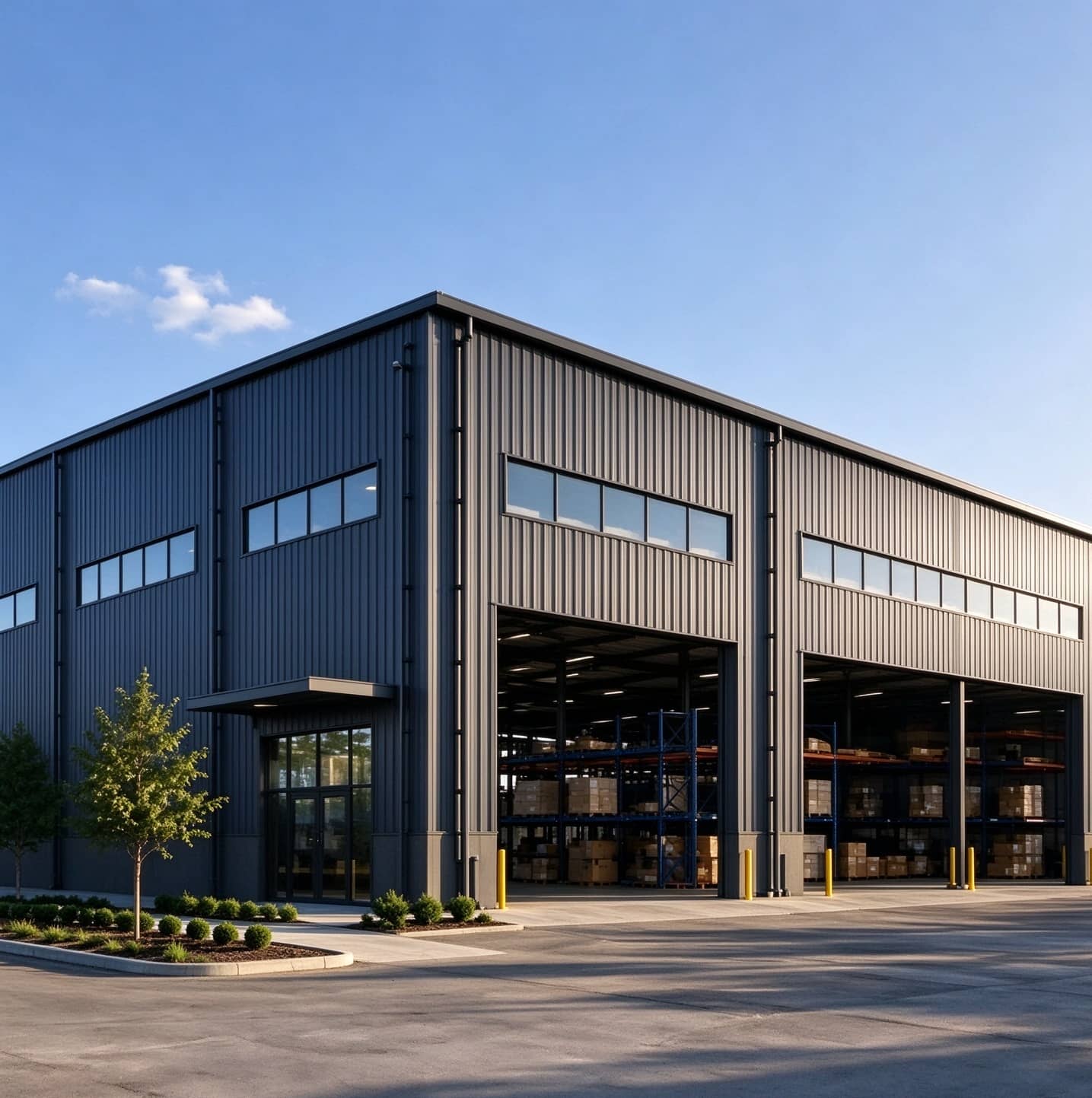
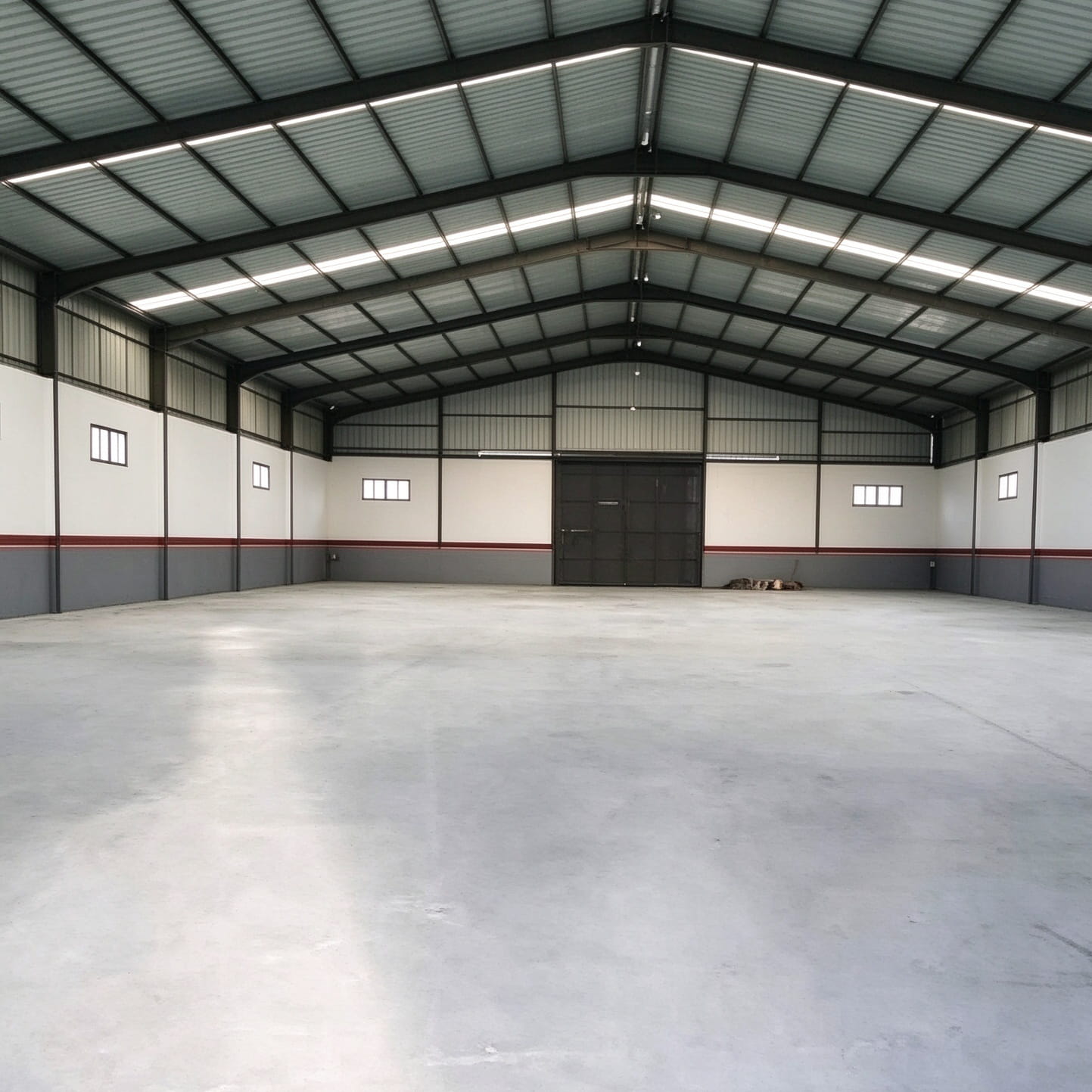
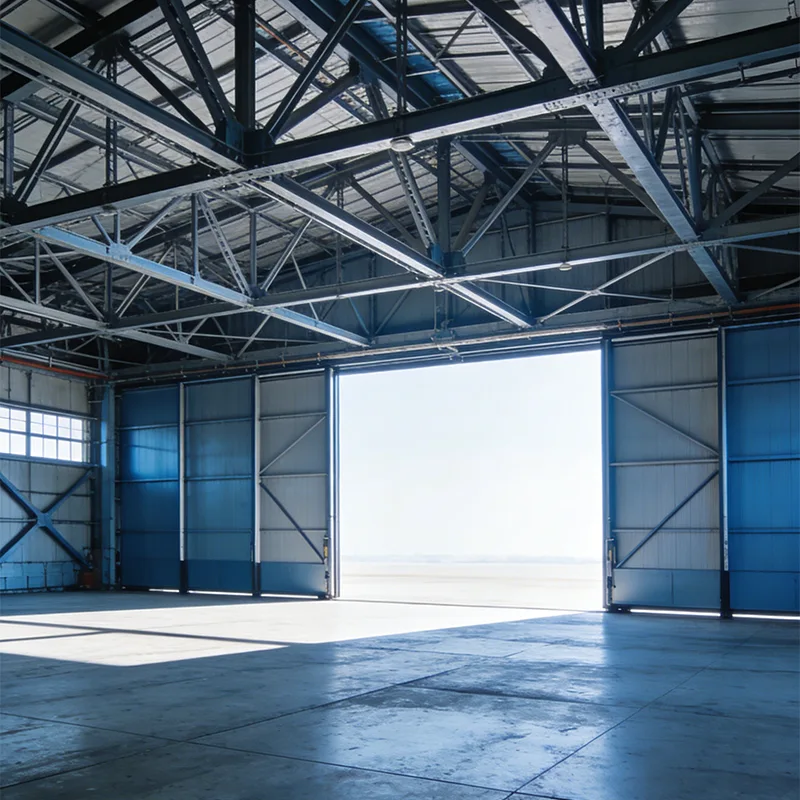
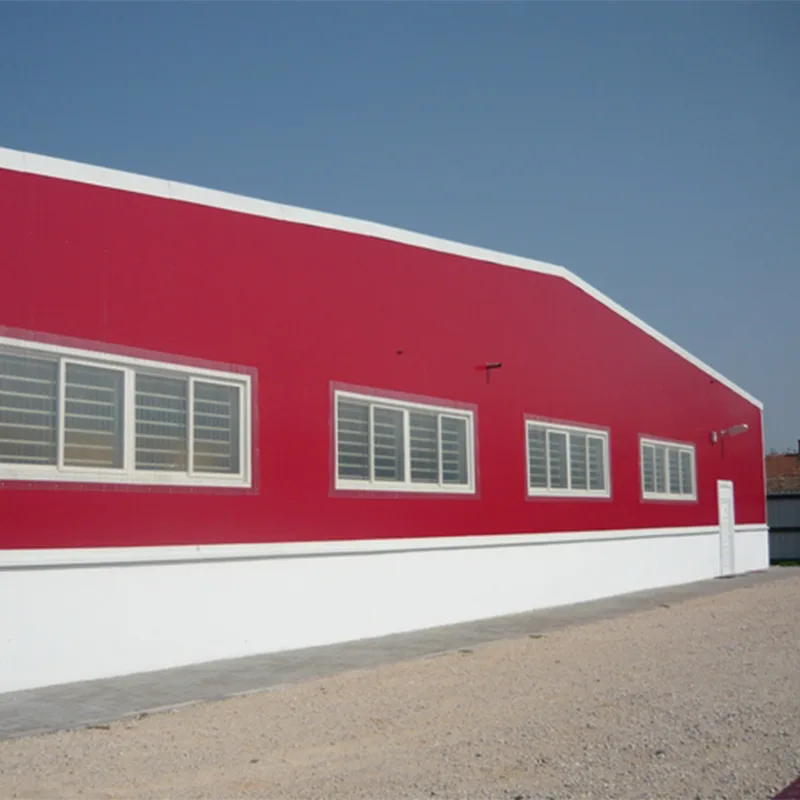
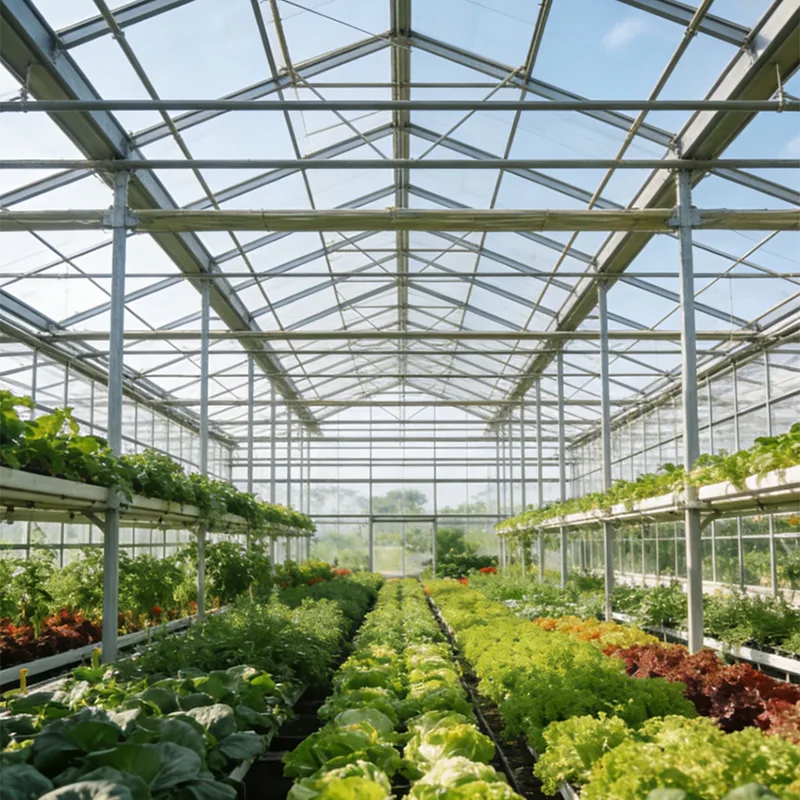
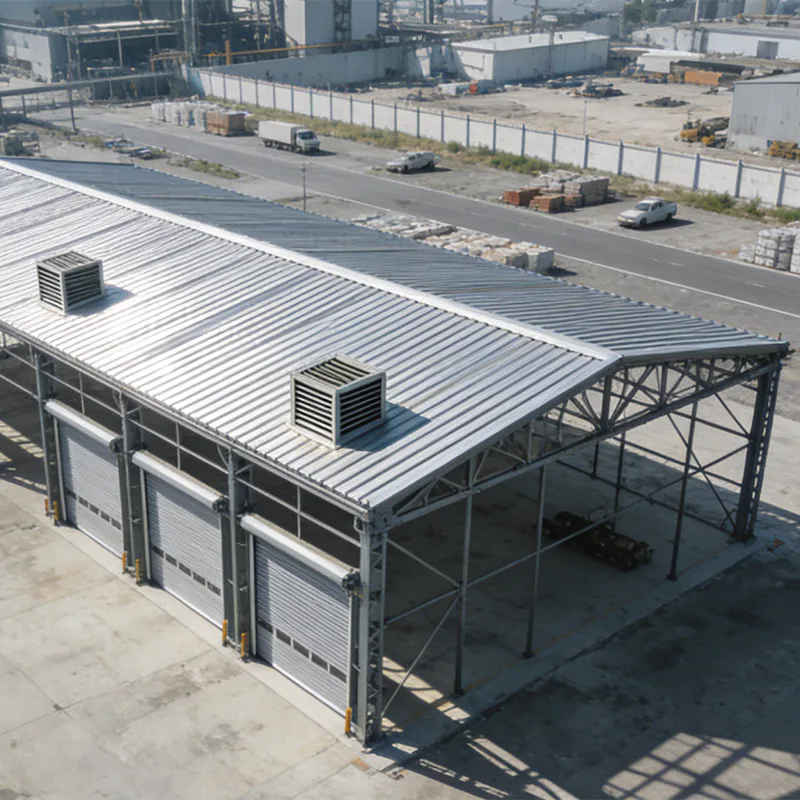
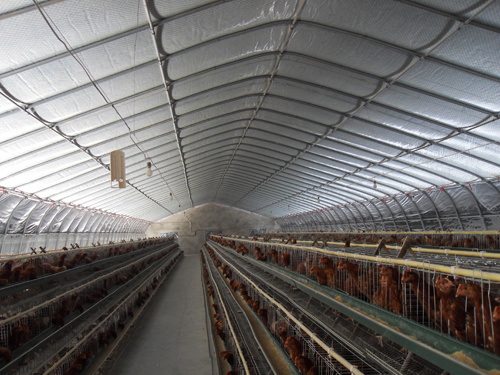
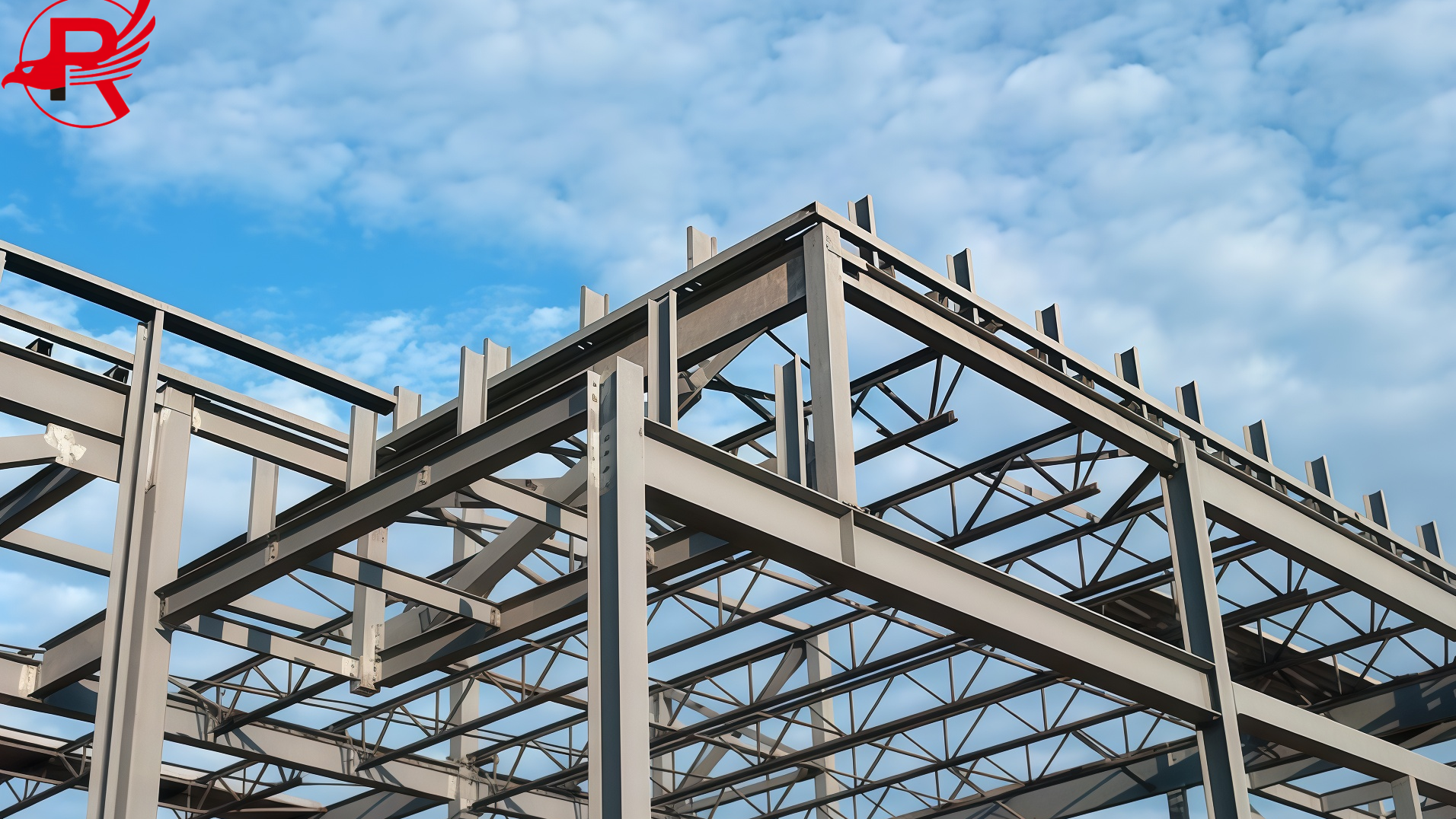
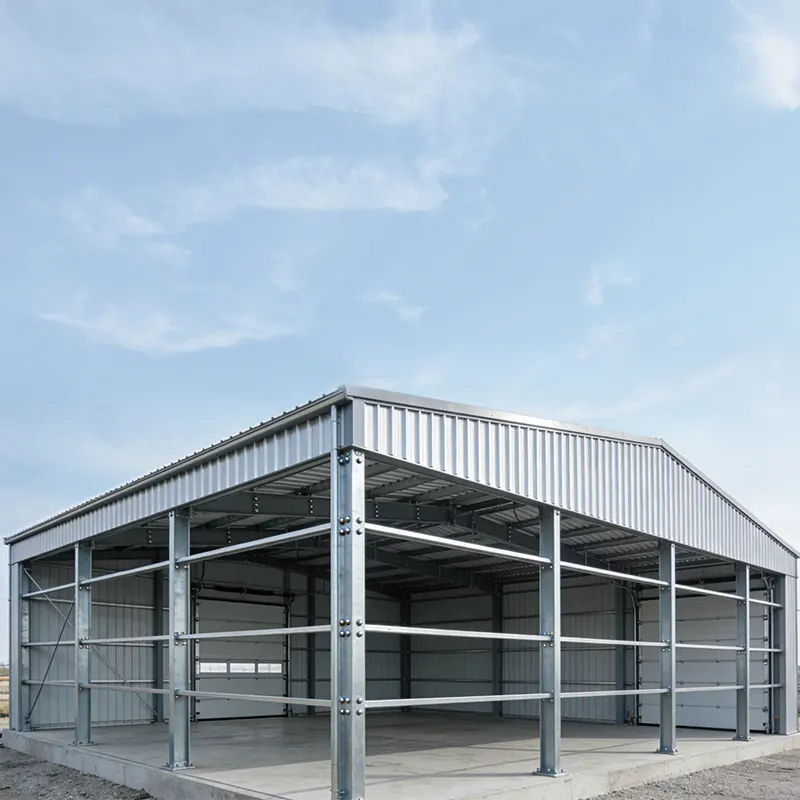
Against the backdrop of global industrial upgrading and supply chain reconstruction, prefabricated portal frame steel warehouses have become the first choice for manufacturing parks, logistics hubs and commercial storage projects worldwide. As a high-strength low-alloy structural steel, Q355 has gradually replaced conventional carbon steel grades and become the mainstream material for medium-to-large industrial warehouse construction. To address the most common concerns of global buyers, project contractors and facility owners, this report sorts out 10 frequently asked questions about Q355 prefab portal frame steel warehouses, covering material performance, design flexibility, construction efficiency and long-term operation. ### FAQ 1: What is Q355 steel, and why is it widely used for portal frame warehouses? Q355 is a Chinese standard high-strength low-alloy structural steel with a minimum yield strength of 355 MPa. Compared with traditional Q235 mild steel, it delivers higher load-bearing capacity, better rigidity and stronger seismic resistance. For portal frame structures, Q355 allows smaller section sizes under the same load requirements, reducing total steel consumption and overall project cost while ensuring structural safety. It is especially suitable for large-span, heavy-load industrial warehouses. ### FAQ 2: What is the maximum span and height available for a Q355 portal frame steel warehouse? Standard single-span Q355 portal frame warehouses typically range from 12m to 36m in clear span, and multi-span continuous designs can reach 72m or wider. Eave height commonly ranges from 6m to 15m, and can be customized up to 20m or higher for projects with overhead cranes or three-dimensional storage requirements. The Q355 material enables stable structural performance even under large-span and high-eave conditions. ### FAQ 3: How long does it take to build a Q355 prefab steel warehouse? Thanks to full factory prefabrication, the construction cycle is significantly shorter than concrete structures. Engineering design and shop drawing confirmation usually take 1–2 weeks; factory production of steel members, panels and accessories takes 3–4 weeks; on-site assembly and installation takes 3–6 weeks for a standard 5,000–10,000 sqm warehouse. In total, most projects can be completed and delivered within 3–4 months from order placement, about 50–60% faster than traditional construction. ### FAQ 4: What is the service life of a Q355 portal frame warehouse? Under normal industrial environments and proper maintenance, the main steel structure has a design service life of 50 years. The actual service life depends on surface treatment and working conditions: - Standard paint coating: 20–30 years before repainting - Hot-dip galvanized treatment: 40–50 years in inland environments - Heavy anti-corrosion systems: suitable for coastal or chemical areas, with a service life of over 30 years ### FAQ 5: What anti-corrosion solutions are available for Q355 steel frames? Three mainstream solutions are provided according to environmental conditions: 1. **Paint coating system**: epoxy zinc-rich primer + intermediate paint + polyurethane topcoat, for general inland industrial areas. 2. **Hot-dip galvanizing (HDG)**: full immersion zinc coating, widely used in humid and rainy regions. 3. **HDG + topcoat**: combined process for coastal, saline-alkali and high-corrosion industrial environments. ### FAQ 6: Can the Q355 prefab warehouse be customized for functional requirements? Yes, it supports full-dimensional customization. On the structural side, span, bay distance, eave height, roof slope and crane beam configuration can be adjusted according to actual use. On the functional side, options include insulated sandwich panels, natural ventilation skylights, rolling doors, hydraulic dock levelers, fireproof partitions, smoke exhaust systems and rooftop solar mounting systems. It can also be equipped with mezzanine floors to expand storage or office space. ### FAQ 7: How is the fire resistance performance of Q355 steel warehouses? Steel itself is non-combustible, but its strength decreases under high temperature. To meet fire safety codes, the project adopts intumescent fire-retardant coatings on steel members, and matches fire-resistant grade wall and roof panels. Fire compartment design, emergency evacuation passages and smoke extraction systems are configured according to local building codes, which can reach 1–3 hours of fire resistance rating and comply with international standards such as ASTM and EN. ### FAQ 8: Can Q355 portal frame warehouses resist strong winds and earthquakes? Q355 high-strength steel itself has excellent ductility and toughness, which is conducive to seismic performance. Standard designs can resist wind speed of 120–160 km/h (0.4–0.6 kN/m² wind load) and seismic intensity of 7–8 degrees. For projects in typhoon-prone or high-seismic regions, targeted reinforcement schemes such as thicker sections, additional bracing and reinforced foundations can be adopted to meet higher load requirements. ### FAQ 9: What are the cost advantages of Q355 prefab steel warehouses? In addition to competitive initial construction cost, Q355 warehouses have outstanding total cost of ownership: - Lighter dead load reduces foundation engineering cost - Fast delivery shortens capital occupation and puts the project into operation earlier - Low maintenance cost in later operation - Steel members are 100% recyclable and reusable, supporting future expansion, relocation or reconstruction ### FAQ 10: What quality standards and certifications do Q355 prefab warehouses follow? Raw materials comply with Chinese GB/T 1591 standard, and can also be supplied in equivalent grades such as ASTM A572 Grade 50, EN S355JR and JIS SM490 according to customer requirements. Production and construction follow GB 51022, AISC, AS/NZS 4600 and other mainstream codes. Welding quality is inspected by NDT methods, and dimensional accuracy of prefabricated parts is strictly controlled. Third-party inspection services such as BV, SGS and TÜV are also available upon request. --- ### Industry Outlook Driven by global low-carbon construction policies and the demand for efficient industrial infrastructure, Q355 prefab portal frame steel warehouses will maintain steady growth in the next 3–5 years. With the upgrading of intelligent manufacturing and green building technologies, such products will further evolve in terms of thermal insulation performance, digital delivery and modular assembly, and become the core solution for global industrial storage construction.
We use cookies to offer you a better browsing experience, analyze site traffic and personalize content. By using this site, you agree to our use of cookies. Privacy Policy