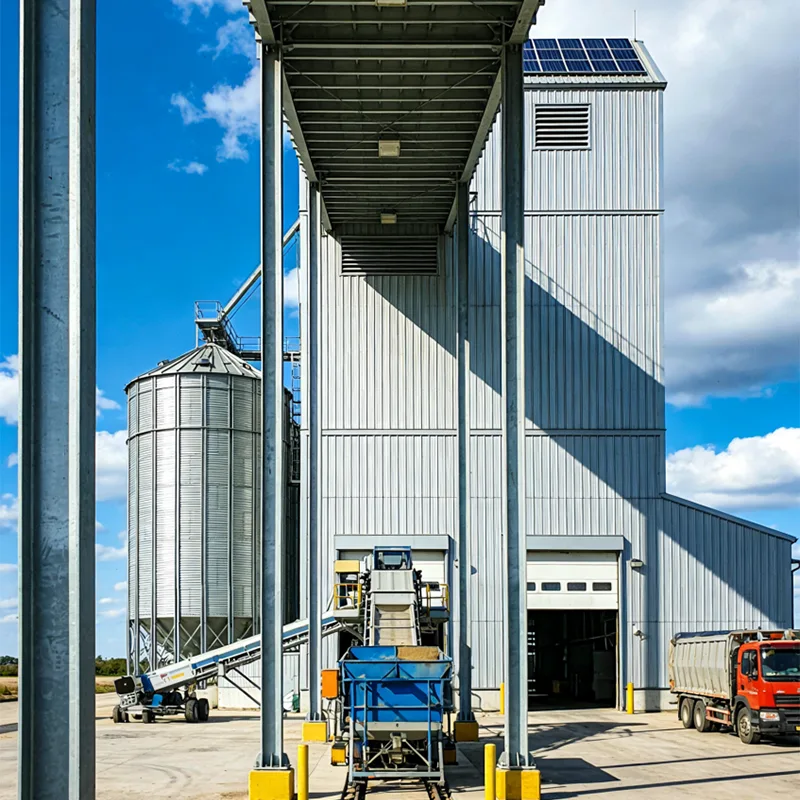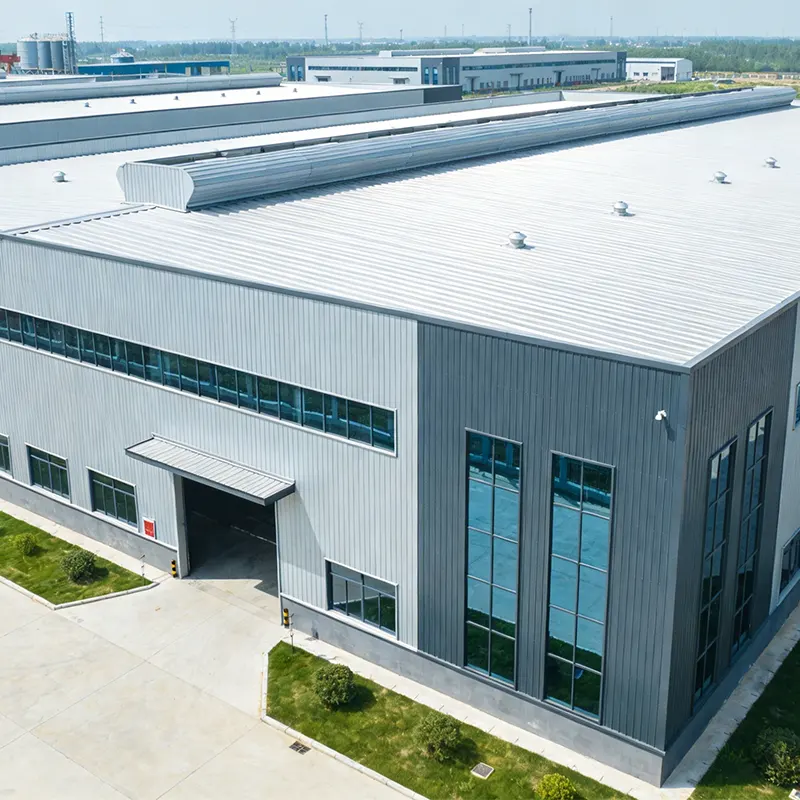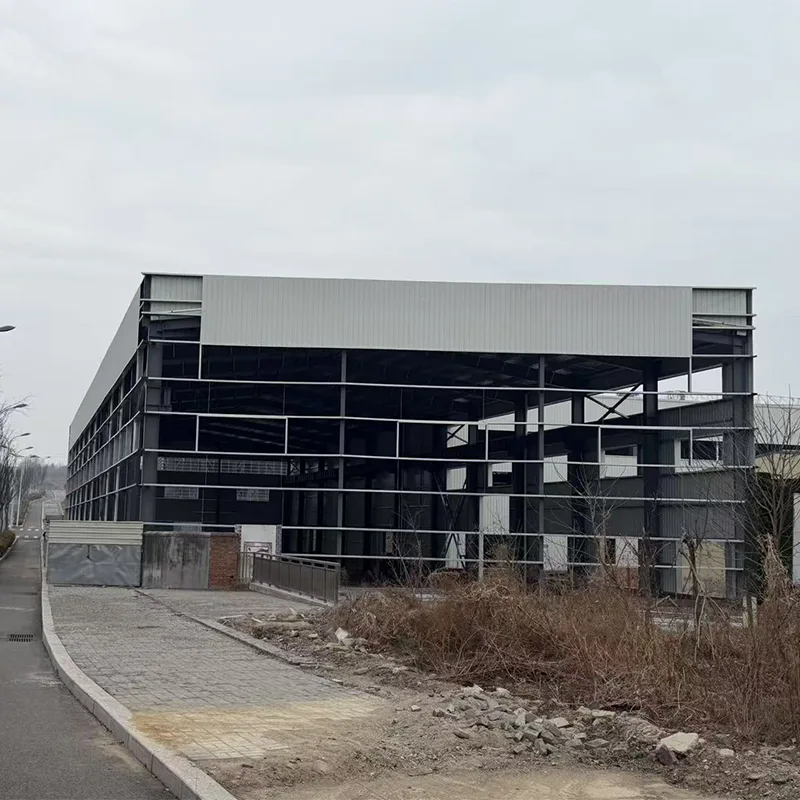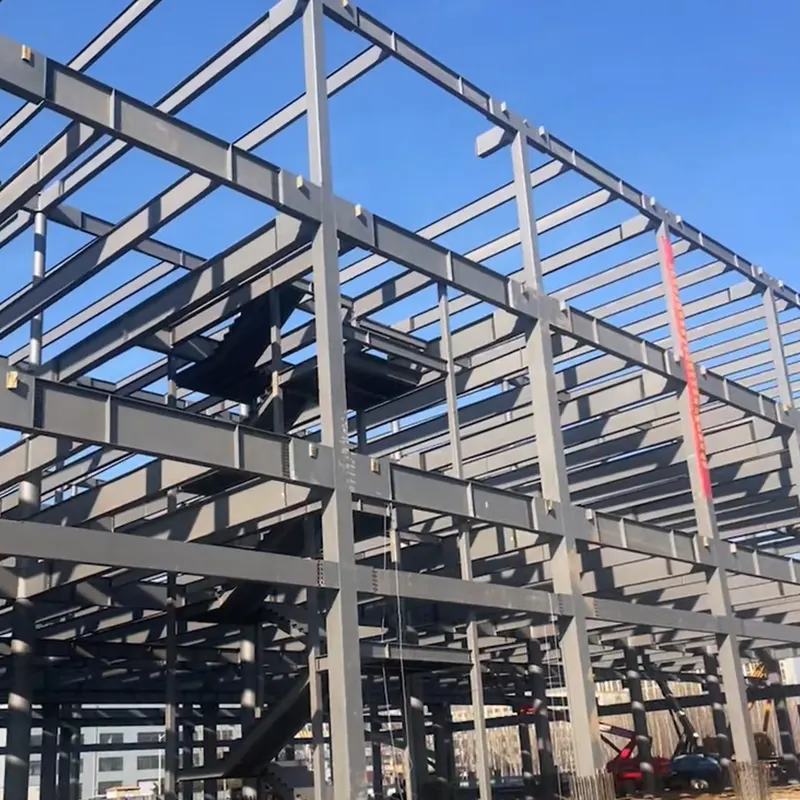
As global supply chains become more flexible and distribution networks continue to expand, industrial facilities are facing higher requirements for structural efficiency, operational adaptability, construction speed, and long-term durability. Steel has become an increasingly important material for modern warehouse and logistics infrastructure because of its high strength-to-weight ratio, design flexibility, and suitability for large-span structures.
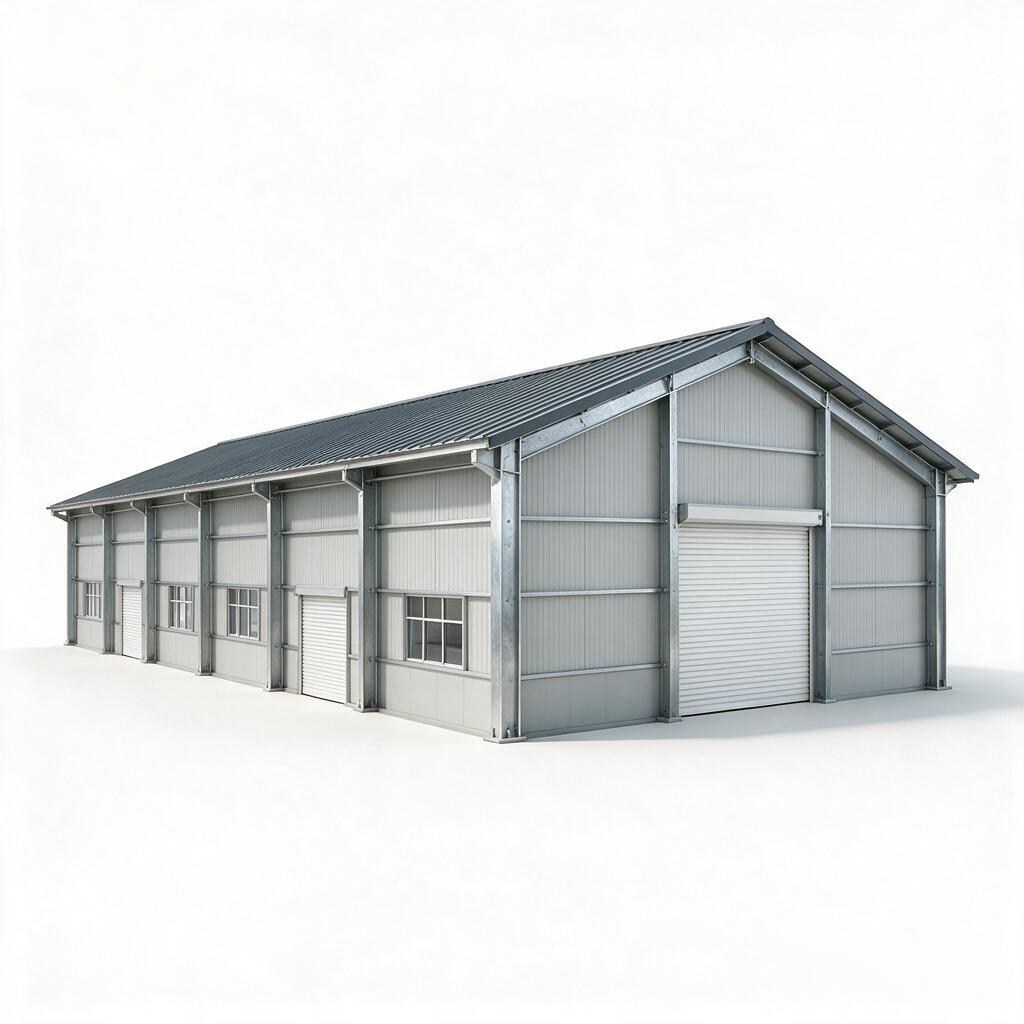
Steel Structure Warehouse and Logistics Buildings are therefore gaining attention across industrial parks, distribution centers, manufacturing clusters, agricultural logistics networks, and regional storage facilities. Compared with conventional construction approaches, steel structural systems can provide a practical combination of structural performance, space utilization, modular fabrication, and efficient installation.
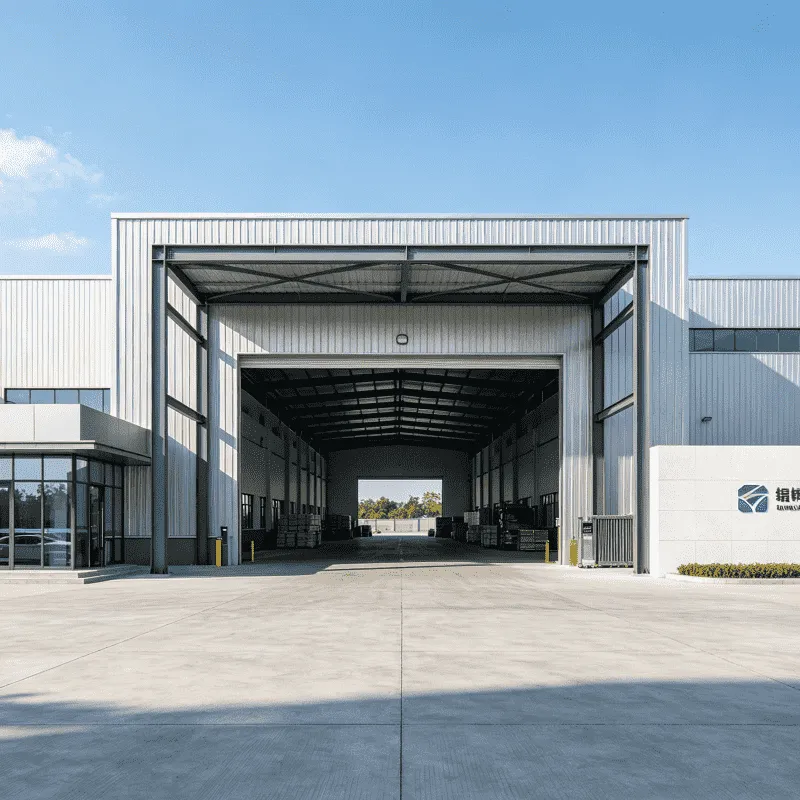
Warehouse and logistics facilities are no longer designed only as enclosed storage spaces. Many modern buildings need to accommodate receiving operations, material handling, inventory storage, packaging, sorting, dispatching, equipment movement, and future changes in internal layout. This places greater emphasis on structural planning from the earliest design stage.
A well-engineered steel building can create a relatively open internal environment with fewer structural obstructions. This allows logistics operators to organize storage zones, circulation routes, loading areas, and material-handling equipment according to operational requirements rather than being restricted by a rigid internal configuration.
Structural flexibility is particularly valuable when a facility may change its function over time. A warehouse initially used for conventional storage may later require automated handling equipment, additional racking systems, temperature-controlled areas, or expanded distribution functions. Structural design should therefore consider both current requirements and potential operational changes.
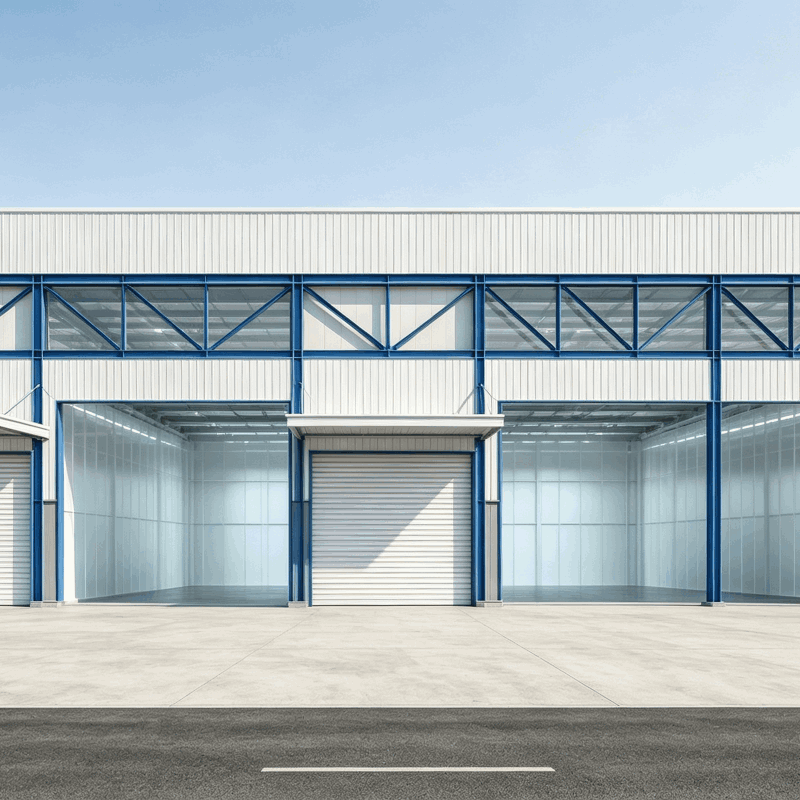
Large-span steel framing is well suited to facilities where unobstructed floor space is important. By carefully coordinating columns, beams, roof systems, loading zones, and circulation areas, engineers can develop a building layout that supports efficient movement of goods and equipment.
This approach is especially useful for logistics buildings where forklifts, automated systems, trucks, conveyors, or other material-handling equipment operate continuously. A rational structural arrangement can help reduce unnecessary interference between the building structure and internal operations.
Industrial facilities often have longer service lives than individual logistics processes. The building may remain in operation while storage methods, equipment, production flows, or tenant requirements change. Steel structures can provide useful adaptability because many components are designed and fabricated according to a defined structural system before being assembled at the project site.
Adaptability does not mean that every future modification can be completed without engineering review. Instead, it means that the structural concept can be developed with realistic operational scenarios in mind. Proper coordination between architectural planning, structural engineering, equipment requirements, and future expansion can make later modifications more manageable.
Successful industrial steel construction depends on more than selecting an appropriate steel grade. Structural engineering needs to consider the complete relationship between the building, its intended use, environmental conditions, equipment, foundation system, and installation process.
Wind conditions, snow loads, seismic considerations, soil conditions, drainage, roof configuration, building dimensions, opening locations, and local construction requirements can all influence the final structural solution. International projects also require close attention to the standards and technical specifications applicable to the destination market.
A warehouse structure must provide a reliable load path from the roof and secondary structural components through the primary framing system and into the foundation. Connections between structural members are therefore just as important as the individual components themselves.
Engineers typically evaluate the interaction between columns, beams, rafters, bracing systems, purlins, girts, roof systems, and foundations. The objective is to establish a coordinated structural system capable of handling expected service conditions while maintaining appropriate stiffness and stability.
For logistics buildings, the design process should also account for operational requirements around loading doors, equipment access, mezzanine areas, suspended systems, and other building interfaces. These elements can influence the structural arrangement and should not be treated as isolated additions after the main structure has been designed.
Steel structures rely heavily on the accuracy of fabricated components and their connections. Dimensional deviations, incorrect hole locations, poor weld quality, or inconsistent component identification can create difficulties during site assembly and may affect project efficiency.
For this reason, engineering drawings, fabrication drawings, material preparation, welding procedures, dimensional inspection, surface treatment, and final assembly checks should operate as parts of one controlled production process.
Modern steel fabrication increasingly integrates digital design information with automated or semi-automated production equipment. This can improve consistency between the engineering model and the fabricated components while helping manufacturers manage complex structural assemblies more efficiently.
The development of intelligent manufacturing is changing the way structural steel components are produced. Digital engineering platforms can connect design information with fabrication planning, material preparation, cutting, drilling, welding, assembly, inspection, and documentation.
For export-oriented steel structure manufacturers, this integrated workflow can be particularly valuable because international projects often involve detailed drawings, different technical standards, customized building configurations, and strict documentation requirements.
A digitally coordinated production process can reduce communication gaps between engineering and manufacturing teams. It can also make it easier to identify potential fabrication conflicts before components reach the installation stage.
Engineering software plays an important role in the development of modern steel buildings. Structural engineers can use digital models to coordinate framing systems, connection details, building dimensions, openings, roof configurations, and other project-specific requirements.
When a project involves overseas construction, digital coordination also helps technical teams communicate with architects, contractors, consultants, and installation personnel across different locations. Clear engineering documentation can reduce ambiguity and support a smoother transition from design to fabrication.
Intelligent equipment can support repetitive fabrication operations while maintaining consistent processing requirements. Automated cutting, drilling, welding, and handling systems can contribute to more standardized component production when they are integrated with effective process controls.
However, automation alone does not guarantee quality. Equipment calibration, production procedures, operator competence, inspection protocols, material traceability, and engineering supervision remain essential. The strongest manufacturing systems combine automation with experienced technical personnel and systematic quality management.
The service environment has a direct influence on the material and protective treatment selected for a steel building. A facility located in a dry inland environment may face different corrosion conditions from a warehouse near a marine atmosphere, coastal industrial zone, agricultural facility, or chemically active production area.
Material selection should therefore be considered together with structural design, environmental exposure, coating systems, drainage, ventilation, and maintenance requirements.
Effective corrosion protection is not limited to applying a protective coating after fabrication. Surface preparation, coating compatibility, application conditions, coating thickness control, handling procedures, and inspection all contribute to long-term performance.
Different projects may require different approaches to corrosion protection. The selection can depend on atmospheric exposure, humidity, temperature variation, chemical conditions, expected service life, and maintenance strategy.
For buildings located in environments with elevated moisture or corrosive exposure, engineers and manufacturers should consider protective measures during the design stage rather than treating corrosion protection as a final production step.
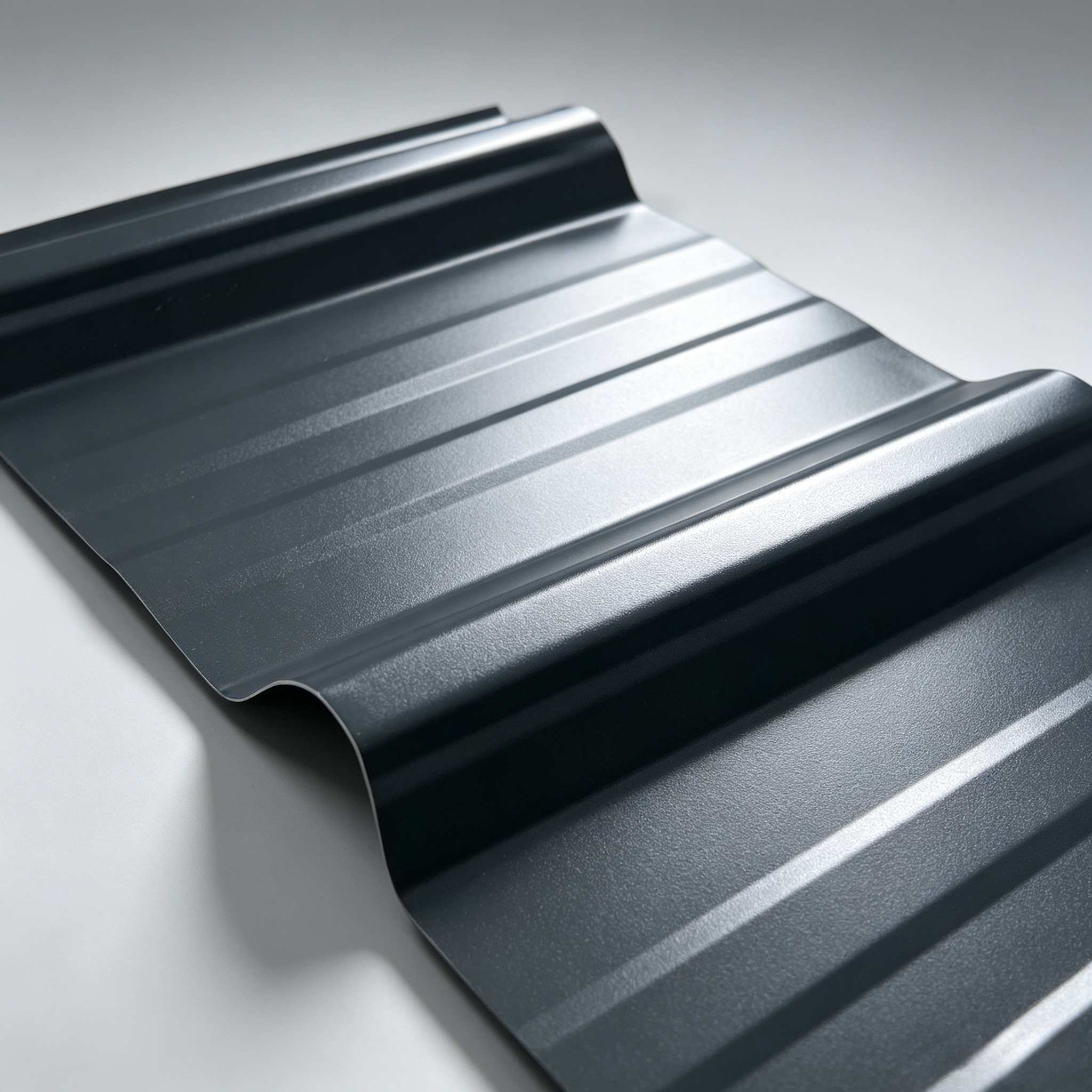
The enclosure system is closely connected to the structural frame. Roof panels, wall cladding, insulation, flashing, gutters, ventilation components, doors, and openings must be coordinated with the primary and secondary structural members.
Good coordination helps prevent conflicts between structural elements and building envelope components. It can also support better weather resistance and reduce potential maintenance issues associated with water penetration, condensation, or poorly detailed interfaces.
One of the major advantages of steel construction is the ability to move a substantial portion of the manufacturing process away from the project site. Structural members can be fabricated, inspected, prepared, and organized before being transported to the construction location.
This approach can help reduce the amount of intensive fabrication required during site installation. It also creates an opportunity for manufacturers to conduct quality checks under controlled factory conditions before components are shipped.
For international projects, logistics planning becomes an integral part of engineering and manufacturing. Component dimensions, packing methods, transportation routes, unloading conditions, installation sequences, and site access should all be considered before production is finalized.
Factory fabrication does not eliminate the importance of site management. Instead, it changes the relationship between manufacturing and construction. The factory needs to provide components that are correctly identified, properly packed, and suitable for the planned installation sequence.
At the construction site, installation teams must follow approved drawings, lifting procedures, connection requirements, temporary stability measures, and applicable safety practices. Effective communication between the manufacturer and installation team can significantly improve project coordination.
Steel buildings can often be divided into manageable structural assemblies for production and transportation. This modular approach can help organize manufacturing operations and simplify the identification of components during installation.
For larger logistics facilities, modular planning may also support future expansion. When expansion requirements are considered during the original engineering process, the structural system can potentially be arranged to accommodate future building extensions more effectively.
The demand for flexible industrial buildings extends across many sectors. Warehousing and logistics are closely connected with manufacturing, agriculture, transportation, e-commerce distribution, cold-chain operations, and regional supply networks.
Steel structures can be adapted to different building functions because the structural system can be engineered around the specific requirements of the facility.
| Application | Typical Structural Focus | Operational Requirement |
|---|---|---|
| Distribution Facilities | Open spans and efficient circulation | Fast movement of stored goods |
| Industrial Warehouses | Heavy-duty framing and equipment coordination | Flexible material handling |
| Agricultural Storage | Durable enclosure and environmental protection | Reliable storage conditions |
| Logistics Hubs | Large clear areas and loading access | Continuous transfer operations |
| Manufacturing Buildings | Integrated structural and production planning | Equipment and workflow coordination |
Agricultural facilities may require buildings for machinery, feed, crops, equipment, packaging, or general storage. Their structural requirements can differ considerably depending on ventilation, moisture exposure, loading methods, and the type of materials stored.
Steel framing provides a flexible foundation for developing different building configurations while allowing the enclosure and ventilation strategy to be adapted to agricultural requirements.
Manufacturing facilities often require more than simple storage capacity. Production equipment, overhead systems, internal transportation, maintenance access, and production workflows can all influence structural planning.
In these applications, close coordination between the structural engineer and the equipment or production planning team is essential. Structural openings, equipment loads, service areas, and access requirements should be considered as part of an integrated design.
Quality in steel construction is created through a sequence of controlled activities rather than a single final inspection. Material verification, cutting accuracy, component fabrication, welding, dimensional inspection, surface treatment, assembly checks, packaging, and documentation all contribute to the finished product.
An effective quality management system should also establish clear responsibilities for engineering, procurement, manufacturing, inspection, warehouse management, and shipment preparation. This helps create traceability throughout the production cycle.
Before fabrication begins, technical teams should review drawings, structural details, material requirements, connection information, dimensions, and project-specific specifications. Resolving discrepancies at this stage is generally more efficient than correcting them after production.
For international projects, engineering review should also verify that the design documentation is aligned with the applicable project standards and local requirements. This is particularly important when the building is being exported to a market with specific structural or construction practices.
Fabrication inspection can cover material identification, cutting, drilling, welding, dimensional accuracy, surface preparation, coating, and component assembly. Inspection requirements should correspond to the project's technical specifications and applicable quality standards.
Documented inspection records provide useful evidence that production activities have been completed according to established procedures. They can also support communication between manufacturers, project managers, engineers, and overseas construction teams.
Developing a steel warehouse or logistics facility requires careful preparation before the first component enters production. Building function, site conditions, structural requirements, logistics, installation, and future use should be evaluated together.
The intended use of the building should be clearly established at the beginning. Storage requirements, material-handling methods, loading operations, internal traffic, equipment interfaces, environmental conditions, and potential future changes can all affect structural design.
A building designed only around its external dimensions may not perform efficiently if its internal operational requirements are overlooked. Functional planning should therefore be integrated into structural engineering from the beginning.
Environmental conditions influence structural loads and material protection requirements. Wind exposure, snow, seismic activity, rainfall, humidity, temperature variation, soil characteristics, and local construction conditions should be incorporated into the engineering process.
For overseas projects, local regulations and construction practices also need to be considered. A successful export project depends on more than manufacturing components according to a generic building concept. The engineering solution must correspond to the actual project environment.
Transport and installation should be considered before fabrication because component dimensions and packaging arrangements can influence shipping efficiency and site handling. Clear component identification can also simplify unloading, staging, and erection.
When factory production and site installation are planned as one continuous process, the project team can better anticipate potential installation challenges and coordinate the required technical documentation.
The steel construction industry is moving toward greater integration between engineering, manufacturing, logistics, and digital project management. Customers increasingly expect structural products to be supported by clear technical documentation, consistent quality, efficient communication, and practical installation guidance.
This development is also changing the role of steel structure manufacturers. A manufacturer is no longer simply a facility that produces structural members. For international projects, the manufacturer may participate in design coordination, engineering optimization, fabrication planning, quality management, export logistics, and installation support.
The broader trend is toward a complete project-oriented service model. Such an approach can reduce unnecessary coordination gaps and create a more direct connection between engineering intent and the final constructed facility.
As international infrastructure projects become increasingly complex, integrated services can provide practical value. Structural design, fabrication, quality inspection, packing, transportation coordination, and installation guidance need to work together rather than operating as completely separate processes.
This integrated approach is especially relevant to overseas projects where communication across languages, time zones, technical standards, and construction environments can create additional coordination requirements.
Digital engineering and intelligent production are expected to play a growing role in steel construction. The combination of experienced engineers, advanced design software, automated equipment, quality management, and digital production information can support more consistent manufacturing and more efficient project coordination.
At the same time, engineering expertise remains fundamental. Intelligent equipment can improve production capability, but structural safety, material selection, connection design, quality judgment, and project coordination still depend on qualified professionals.
Qingdao Newforge Intelligent Manufacturing Co., Ltd. combines steel structure design, research and development, manufacturing, and export services within an integrated industrial operation. Its location in Qingdao provides access to established port and industrial resources, supporting international logistics and overseas project delivery.
The company is supported by a technical team led by experienced senior engineers and uses professional design software aligned with international engineering requirements. Its manufacturing operation integrates intelligent equipment across the production process, helping connect structural engineering with fabrication and quality control.
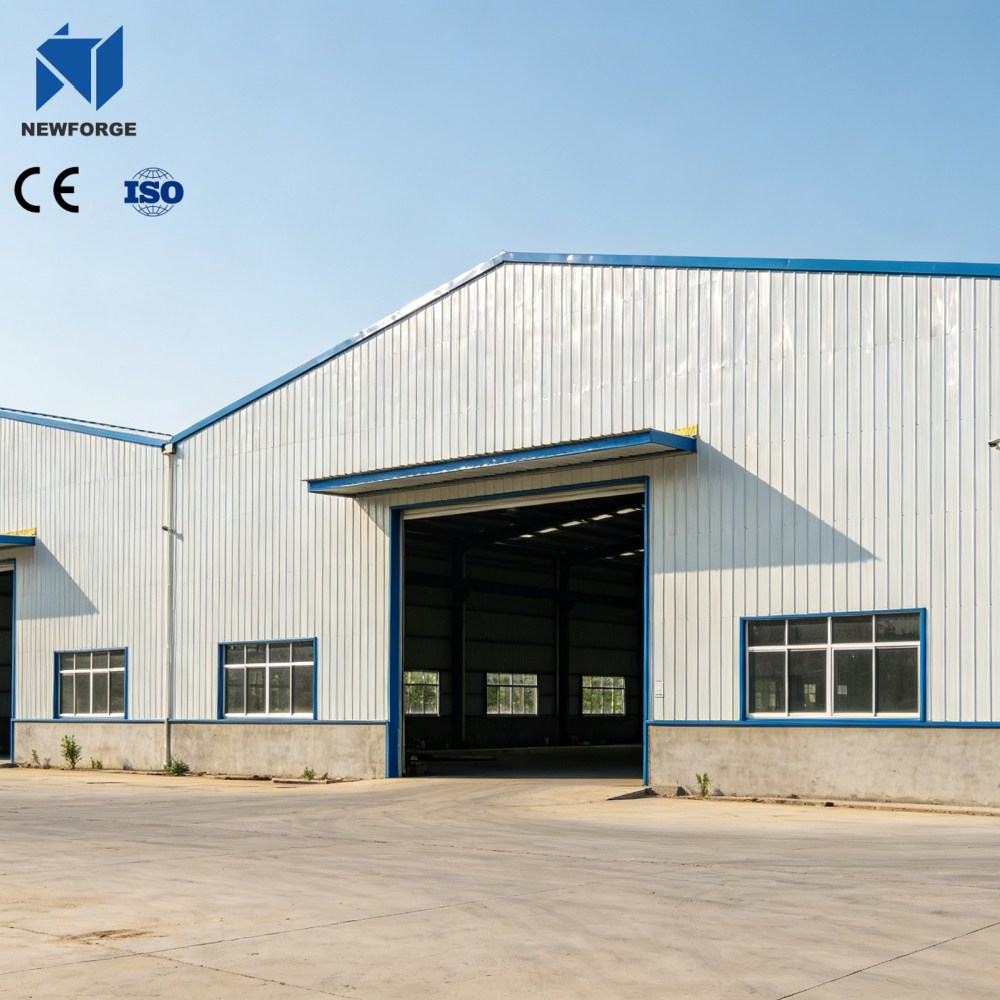
Newforge also places strong emphasis on standardized quality management. Its production system operates under multiple ISO certifications and CE certification requirements, with inspection and process control incorporated into manufacturing activities.
Its experience in overseas projects covers industrial workshops, steel structure warehouses, agricultural and farm buildings, bridge infrastructure, and other structural applications. By combining engineering design, factory production, export logistics, and on-site installation guidance, the company provides a practical one-stop service for international infrastructure development.
For projects involving Steel Structure Warehouse and Logistics Buildings, selecting a manufacturer with both engineering capability and export experience can make an important difference. Qingdao Newforge Intelligent Manufacturing Co., Ltd. continues to focus on intelligent steel fabrication, international project coordination, quality management, and customized structural solutions, supporting clients across global markets with reliable products and integrated technical services.