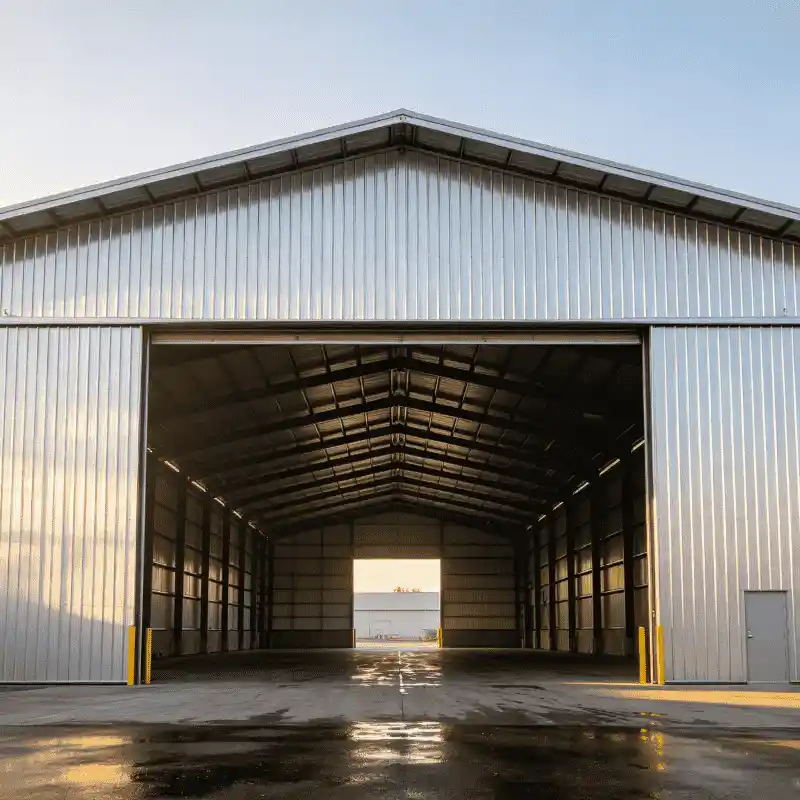
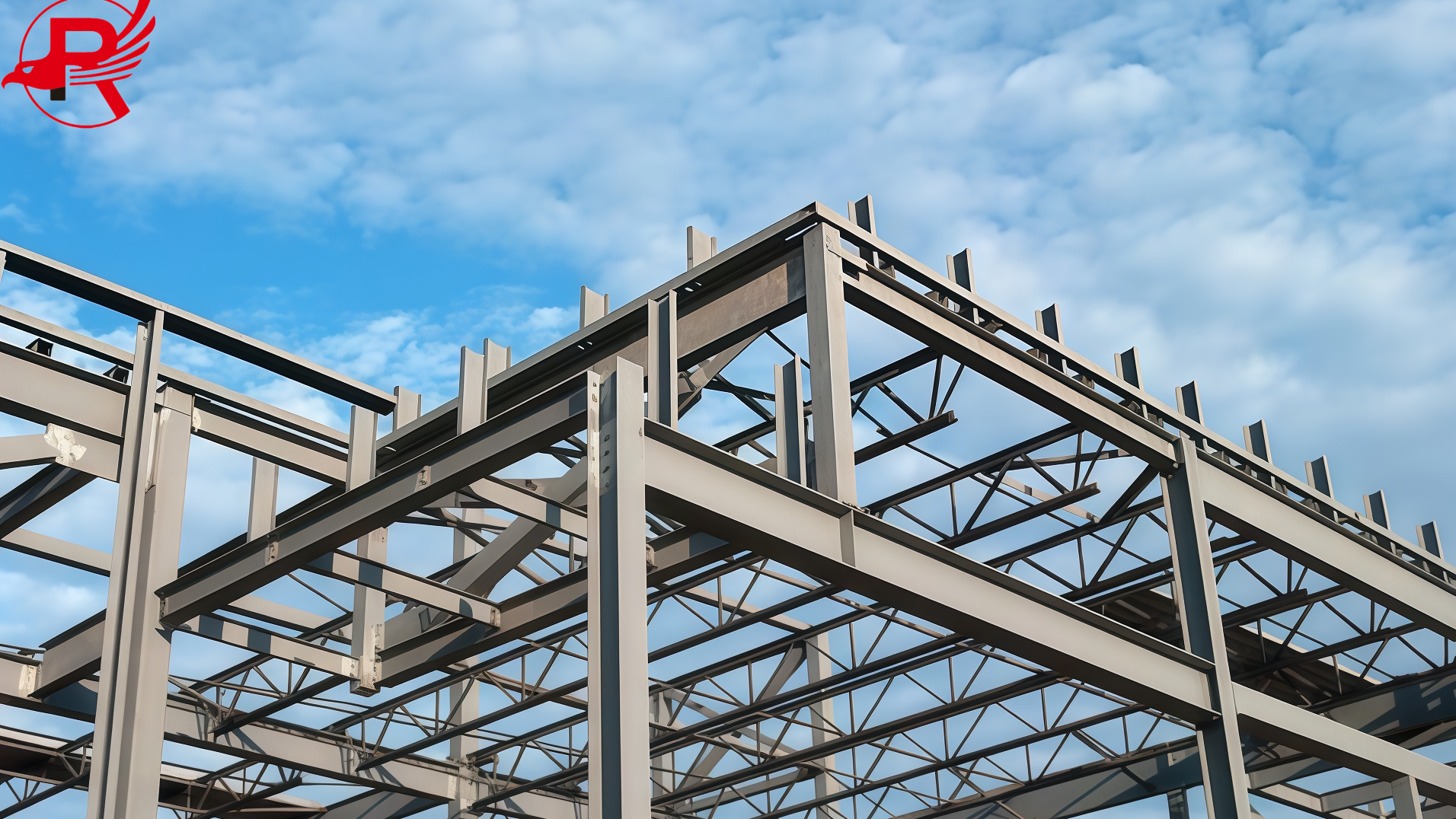
With increasing attention on efficient construction solutions, Special Functional Steel Warehouse systems are gaining recognition for their ability to support diverse industrial applications while maintaining structural reliability. These advanced steel structures combine customized engineering concepts with modern manufacturing methods, providing practical solutions for factories, storage facilities, agricultural projects, and specialized industrial environments.
The UK government has brought British Steel into public ownership as of July 16, aiming to secure the future of domestic steel production in the country.
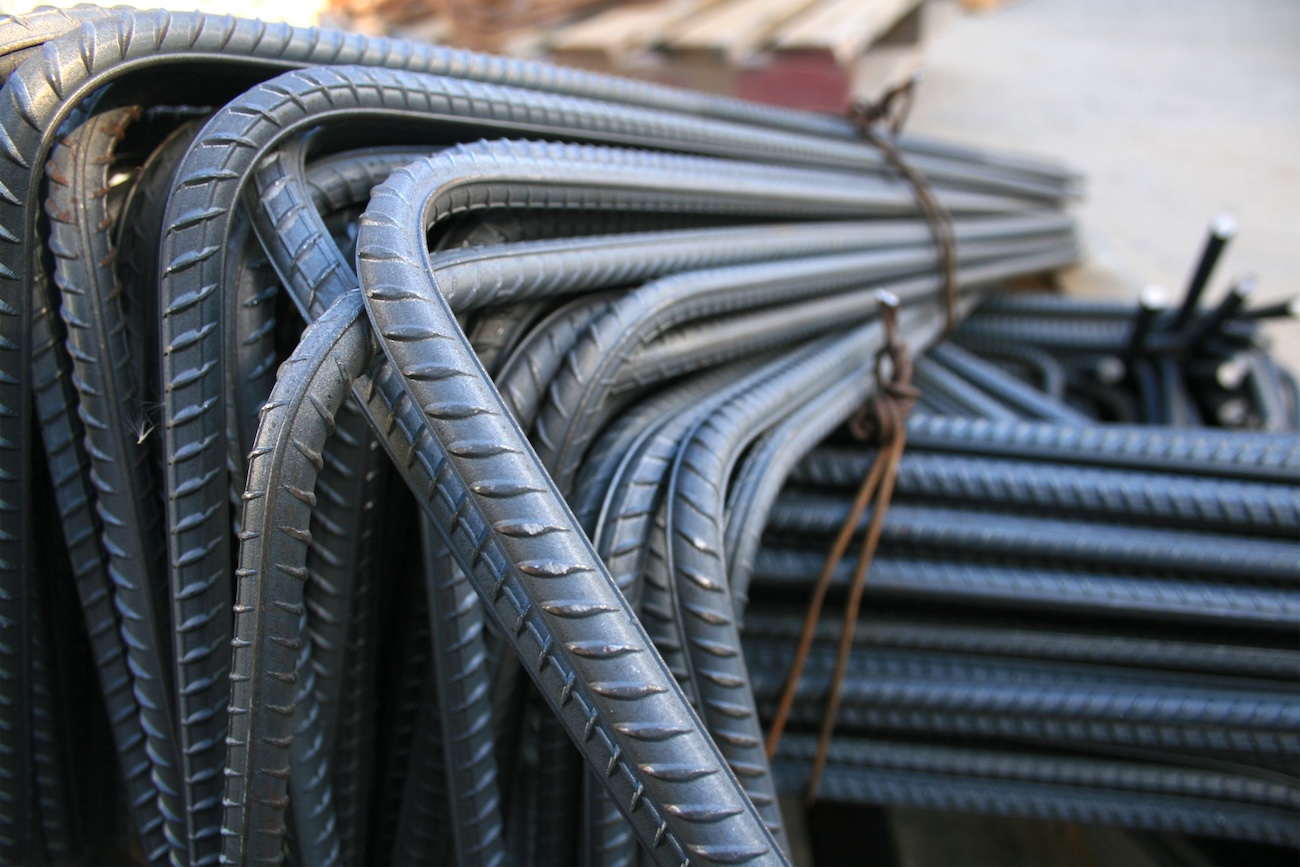
The main topic of discussion in the European long steel market this week has been the new country-specific quotas (CSQs) of the EU, which market participants had been eagerly awaiting.
European domestic long steel prices remained unchanged in the week to Wednesday July 1, with weak demand continuing to limit upward price momentum across the region.
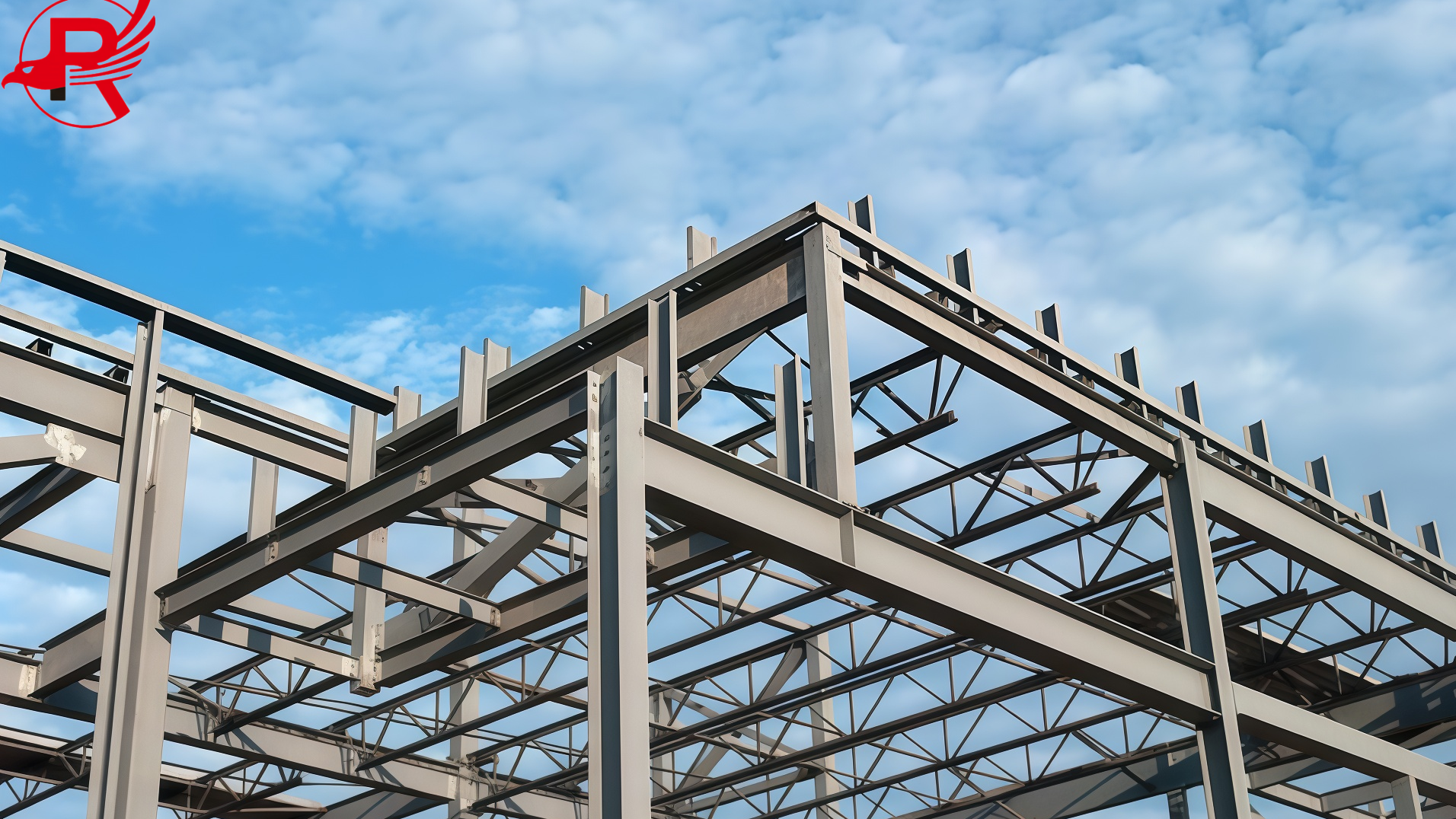
Coming to the first quarter of 2026, the world H beam steel Market is also facing a turning point. Driven by rapid infrastructure building in U.S., Southeast Asia and Latin America, as well as energy transition projects, the need for H-beams (particularly high-strength types like ASTM A572 Grade 50 H Beam and A992 H Beam) is beginning to recover strongly. However, trade-protecting policies, fluctuation of raw material prices and green and low-carbon transition are reforming the global price system altogether.
Welding expert Duane Miller wrote an excellent pair of articles for the February and March 2024 issues of STRUCTURE Magazine. The articles described 10 conditions where welds can experience uneven loading. These conditions can be problematic if not avoided or given special attention in design. The common assumption that applied loads cause uniform stresses in a weld does not apply for these conditions. However, what if you are using a design approach that never makes such an assumption? Connection design by inelastic analysis, for example using the component-based finite element method (CBFEM) such as implemented in IDEA StatiCa Connection, makes no broad assumptions about the distribution of stress in welds, or any other components. Stresses arise naturally in the analysis based on the stiffness of the various components of the connection. This article walks through each of Miller’s 10 conditions to identify what special attention they require when designing by inelastic analysis.
We use cookies to offer you a better browsing experience, analyze site traffic and personalize content. By using this site, you agree to our use of cookies. Privacy Policy

 03 2026-08
 17 2026-07
 06 2026-07
 04 2026-07
 03 2026-07