Published: May 26, 2026 | Author: Qingdao Newforge Steel Structure Co., Ltd.
The global steel construction industry is undergoing a transformative evolution in 2026, driven by unprecedented demand for faster, more sustainable, and technologically advanced building solutions. As urbanization accelerates worldwide and governments implement stricter carbon reduction mandates, steel structures have emerged as the preferred choice for industrial, commercial, and infrastructure projects. The prefabricated building and structural steel market, estimated at $148.3 billion in 2026, is projected to expand to $268.09 billion by 2035 at a compound annual growth rate (CAGR) of 6.80% . This remarkable growth is fueled by three core trends that are reshaping the entire industry landscape: the widespread adoption of prefabricated steel structures, the urgent transition to sustainable steel construction practices, and the integration of advanced digital technologies into steel fabrication processes.
The Rising Demand for Prefabricated Steel Structures in Global Construction
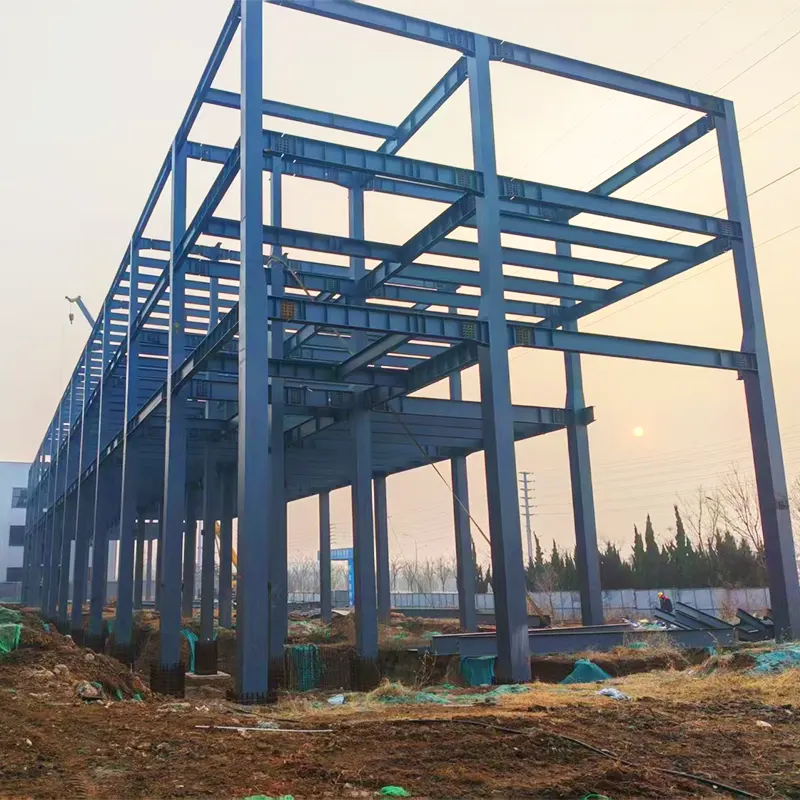
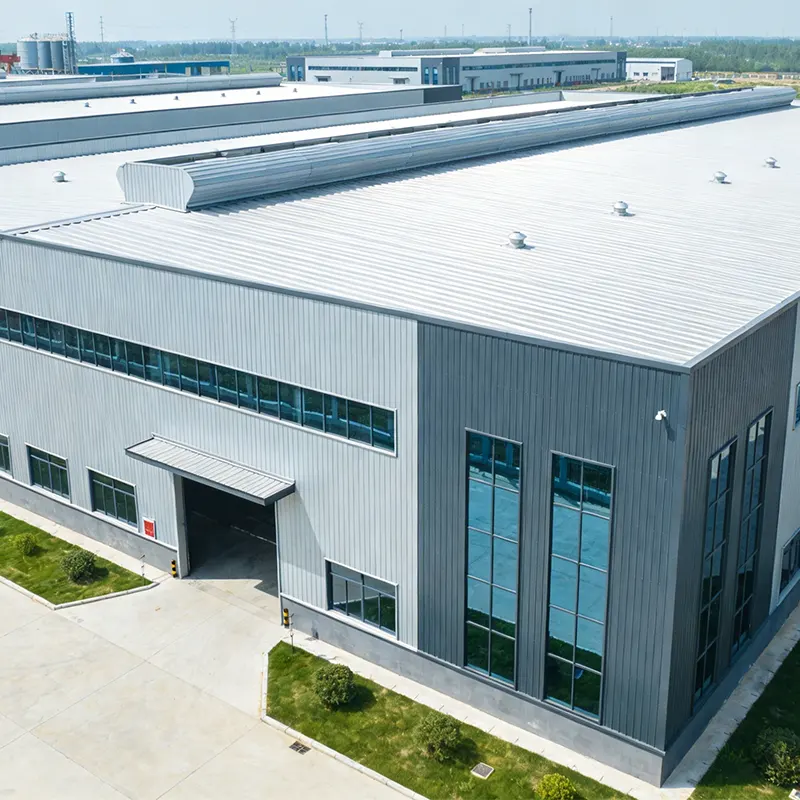
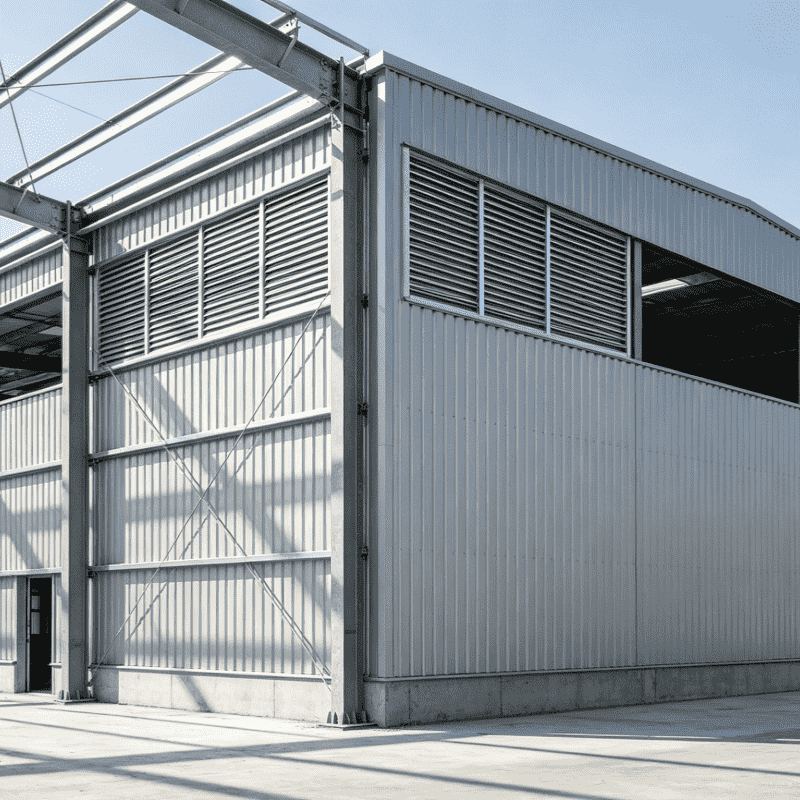
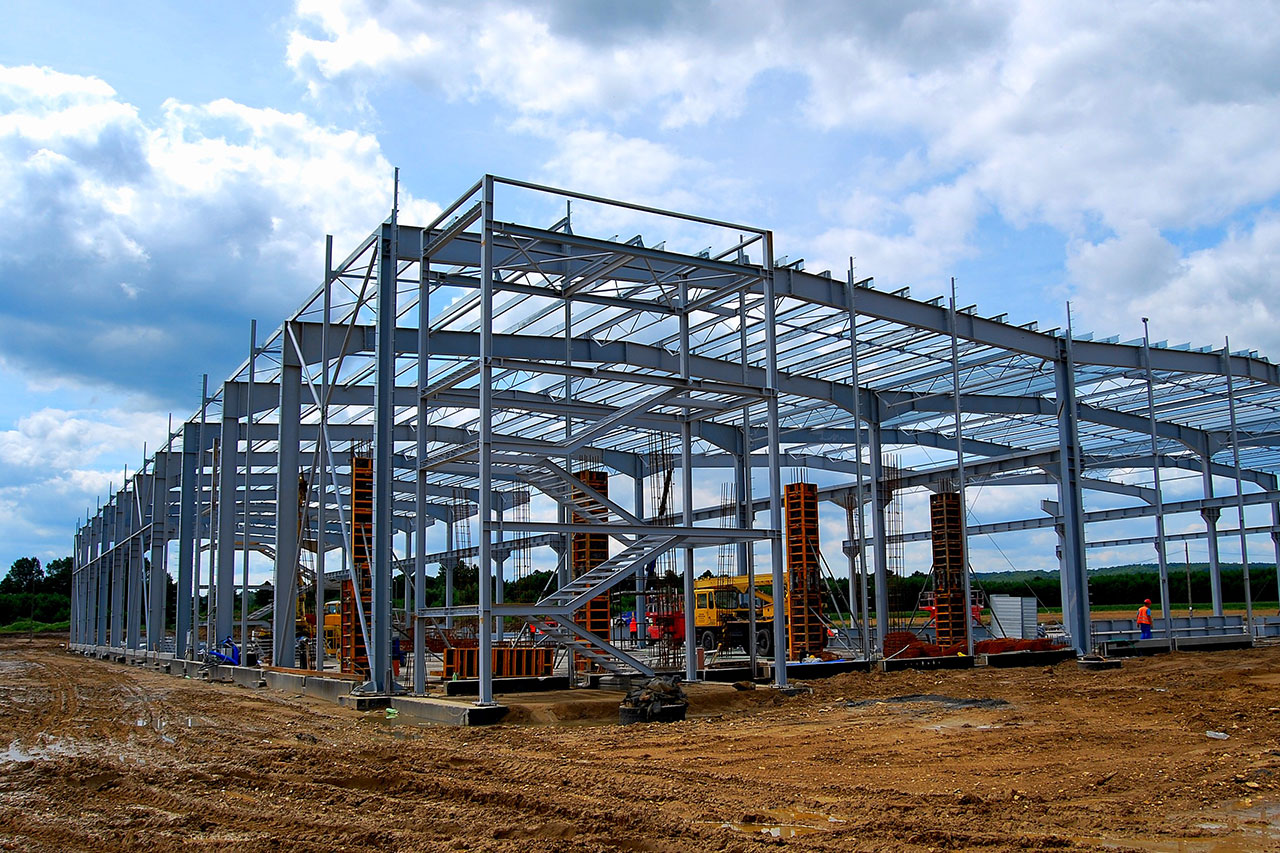
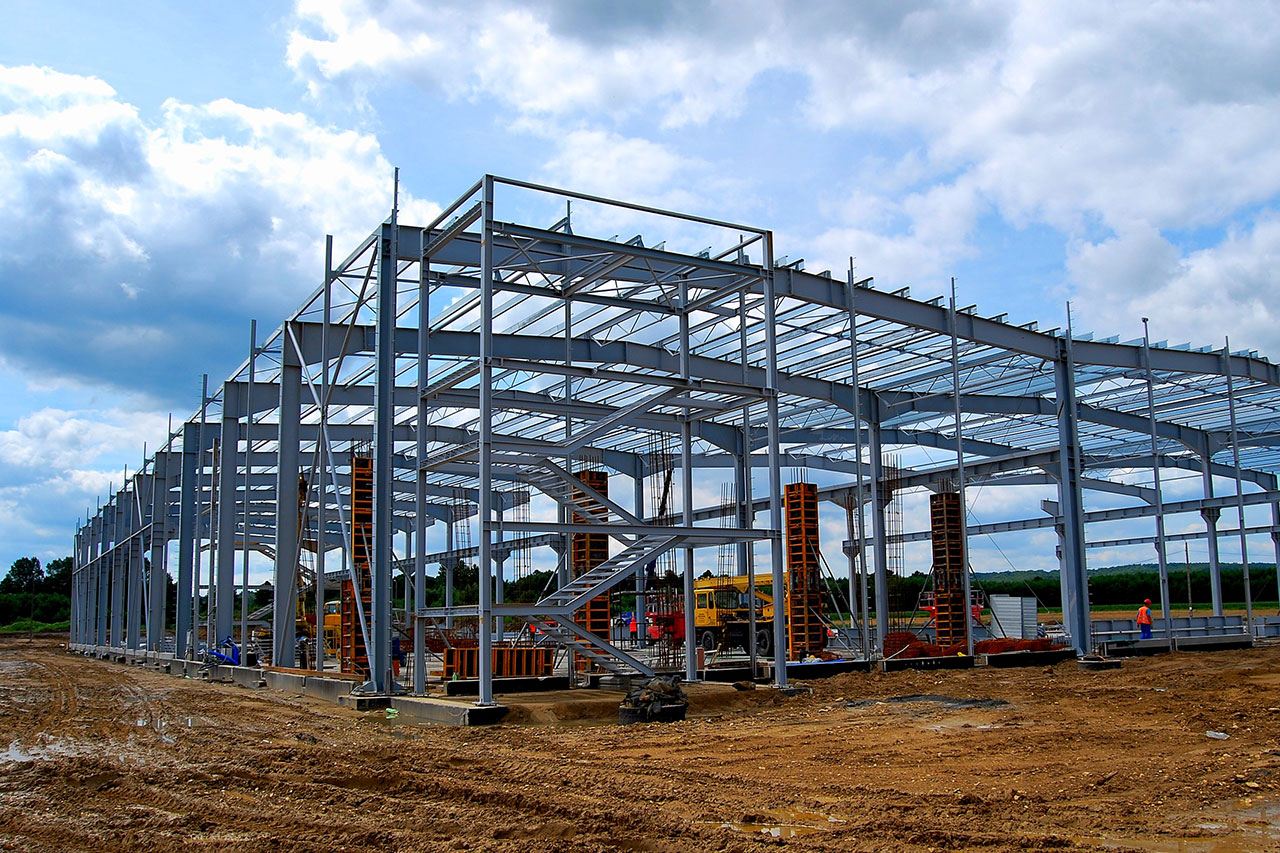
Prefabricated steel structures have evolved from being a niche solution for temporary buildings to becoming the foundation of modern construction methodology. In 2026, prefabrication is no longer viewed as an alternative construction method but as the industry standard for delivering high-quality projects on time and within budget. The key advantage of prefabricated steel structures lies in their ability to transfer up to 70% of construction work from the job site to controlled factory environments . This shift addresses two critical challenges facing the global construction industry: chronic labor shortages and inconsistent quality control.
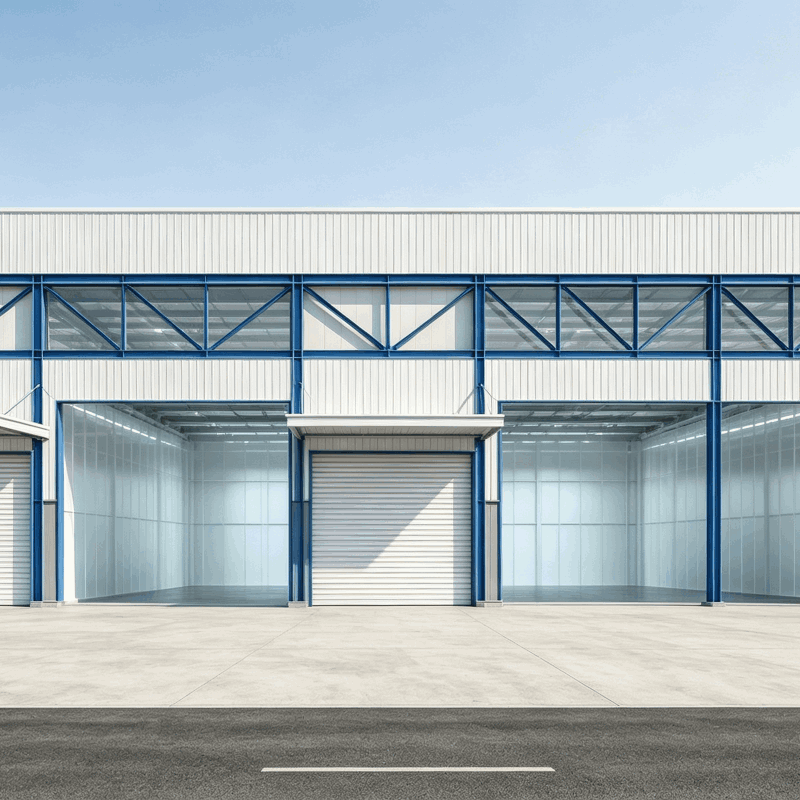
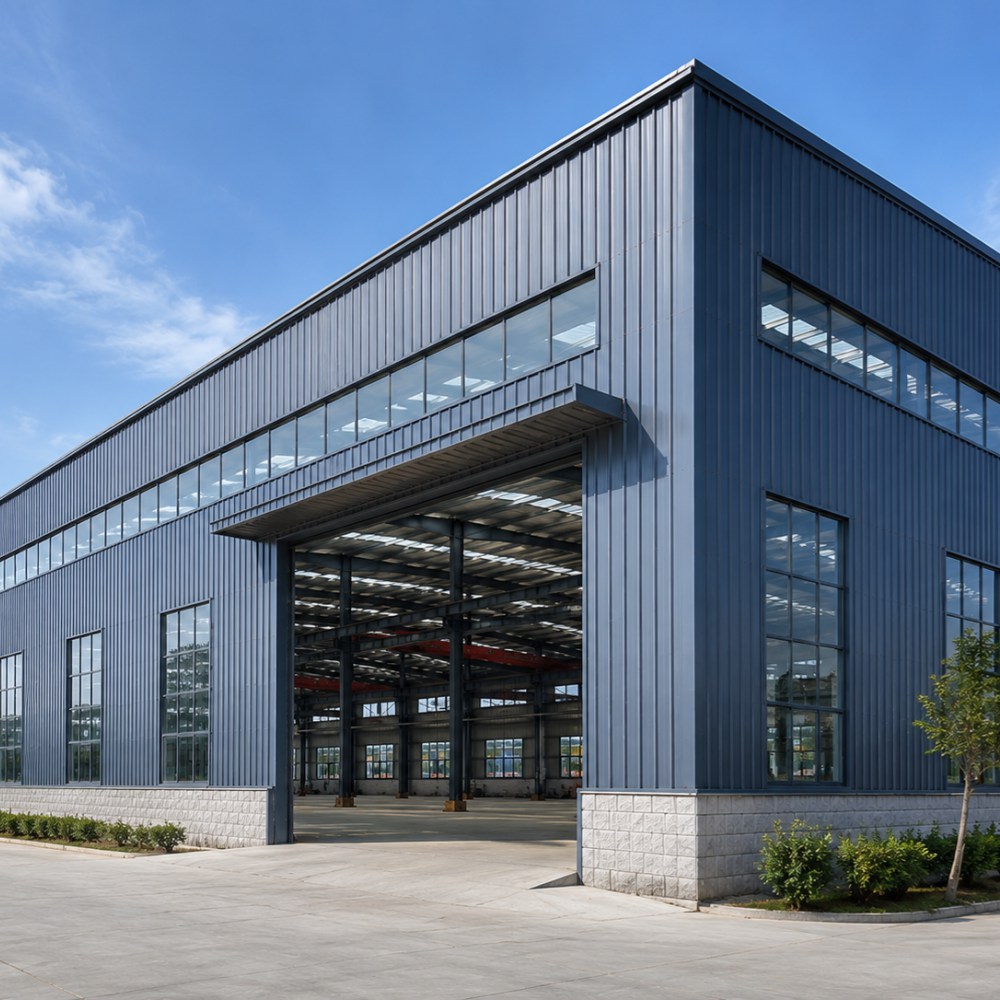
The Asia-Pacific region leads the global prefabricated steel structures market, capturing approximately 38.7% of the total market share, with China alone accounting for 21.4% . This dominance is driven by massive infrastructure investment programs, rapid urbanization, and government policies promoting industrialized construction. Prefabricated steel buildings offer significant time savings compared to traditional construction methods, with project completion times reduced by 40-50% . For industrial projects such as warehouses, manufacturing facilities, and distribution centers, this accelerated timeline translates directly into earlier revenue generation for business owners.
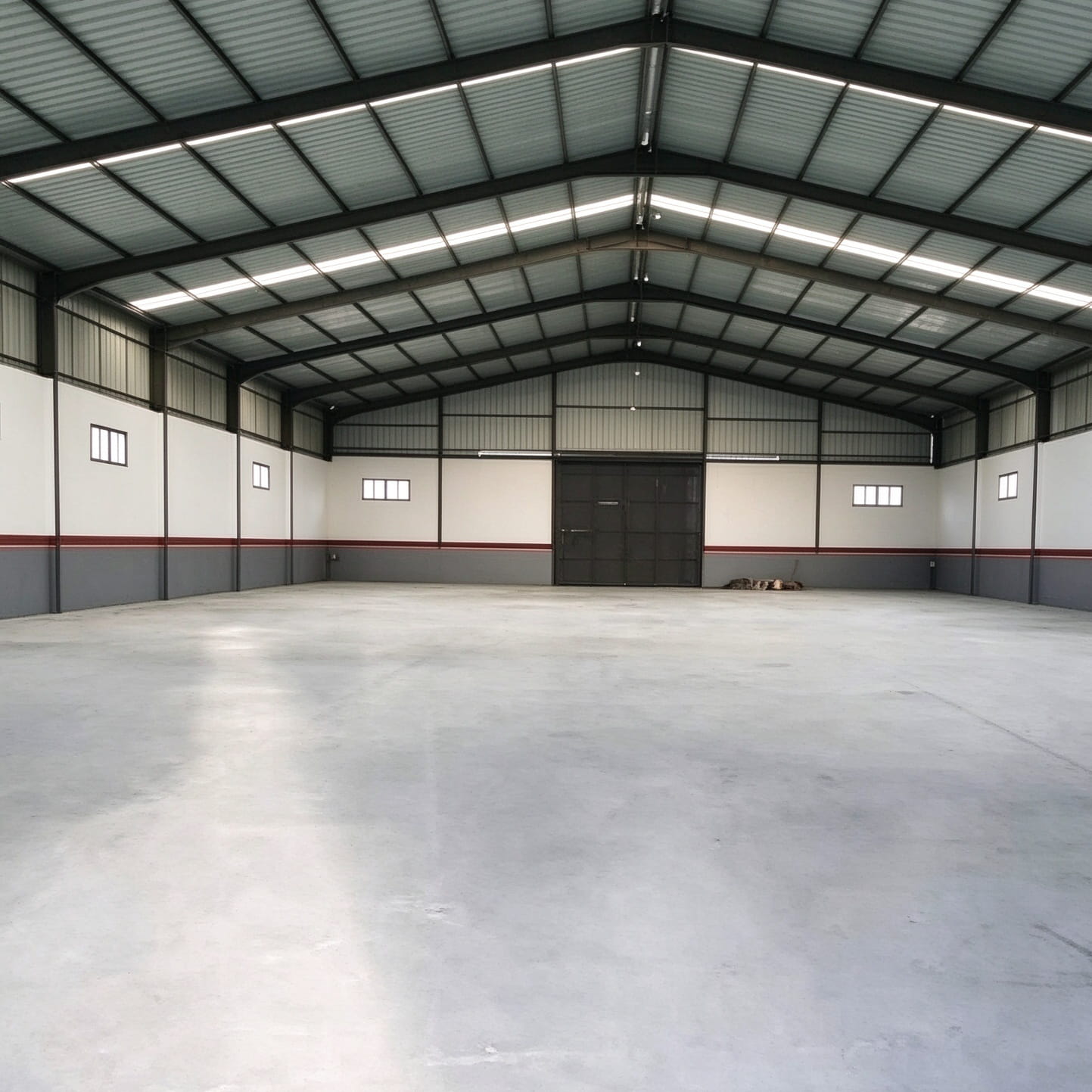
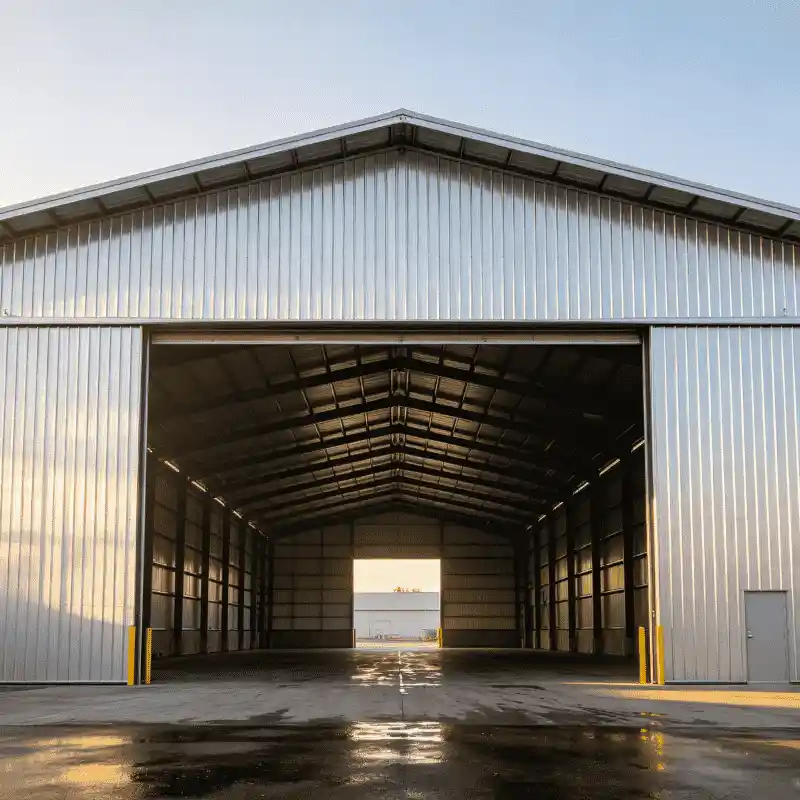
Modern prefabricated steel structures are highly customizable and can be designed to meet specific architectural and functional requirements. Advanced engineering techniques allow for clear spans of up to 100 meters without intermediate columns, creating vast, unobstructed interior spaces ideal for industrial operations. Additionally, prefabricated steel buildings offer superior durability, with a typical service life exceeding 50 years, and require minimal maintenance throughout their lifecycle . As the global supply chain continues to recover and stabilize, prefabricated steel construction will remain the most efficient and cost-effective solution for meeting the world's growing infrastructure needs.
Sustainable Steel Construction: Driving Environmental Responsibility
Sustainability has become the defining factor in construction project decision-making in 2026, as governments worldwide implement stringent carbon reduction targets and green building certification requirements. The construction sector accounts for approximately 39% of global carbon emissions, with 11% coming directly from building materials and construction processes . Steel structures address this environmental challenge through their inherent sustainability characteristics and innovative low-carbon technologies.
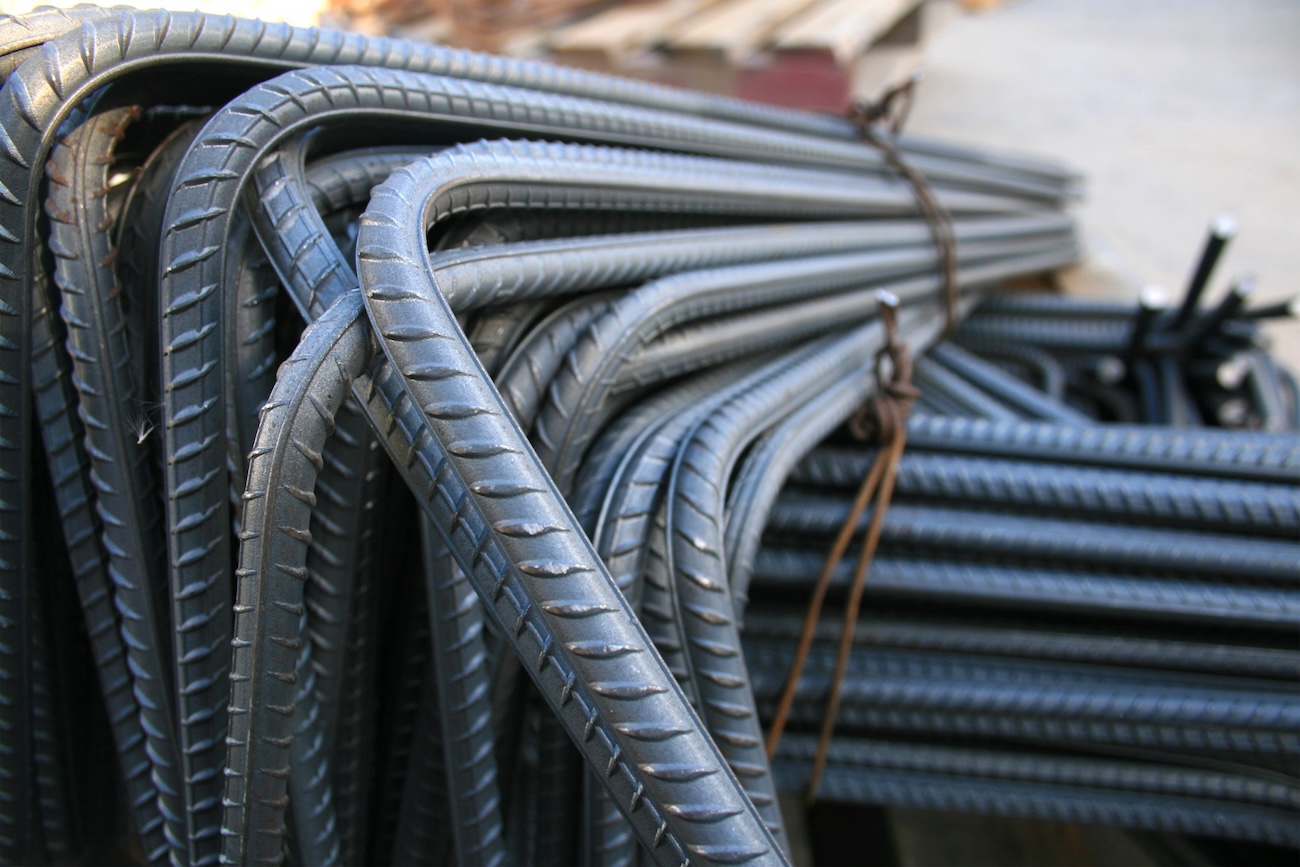
Steel is one of the most recyclable materials on the planet, with a recycling rate exceeding 90% globally . Unlike concrete, which generates significant waste during demolition, steel components can be easily disassembled and reused in new projects, creating a circular economy for construction materials. Recycled steel emits 67% less CO₂ than virgin steel production, making it an environmentally responsible choice for sustainable building projects . In 2026, leading steel manufacturers are increasingly adopting hydrogen-based steelmaking processes and electric arc furnace (EAF) technology powered by renewable energy, further reducing the carbon footprint of steel production .
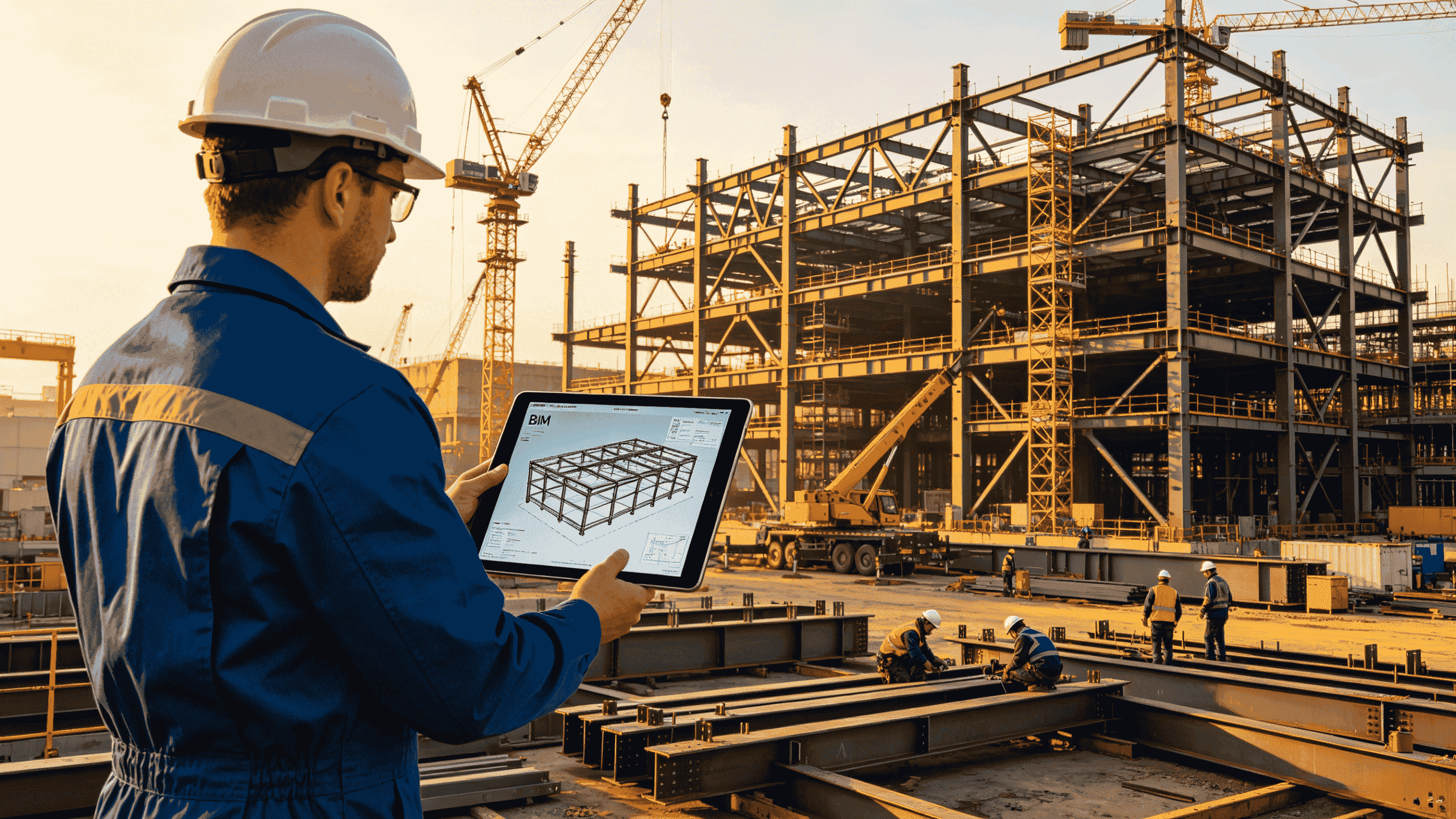
Modern sustainable steel construction goes beyond material recyclability to integrate comprehensive low-carbon design principles. Building-integrated photovoltaics (BIPV) systems are now commonly incorporated into steel roof and wall systems, allowing buildings to generate their own clean energy and achieve net-zero carbon operation . Additionally, steel-concrete composite structures, such as concrete-filled steel tubes (CFST), offer superior structural performance while reducing material usage by up to 30% compared to traditional construction methods . These innovations have made steel structures the preferred choice for projects seeking LEED, BREEAM, and other leading green building certifications . As the world transitions to a low-carbon economy, sustainable steel construction will play a crucial role in achieving global climate goals.
Advanced Steel Fabrication Technologies Shaping the Industry
The steel fabrication industry is experiencing a digital revolution in 2026, with advanced technologies transforming every stage of the production process from design to installation. These technological innovations are enhancing precision, improving efficiency, reducing costs, and enabling the creation of increasingly complex steel structures that were previously impossible to manufacture.
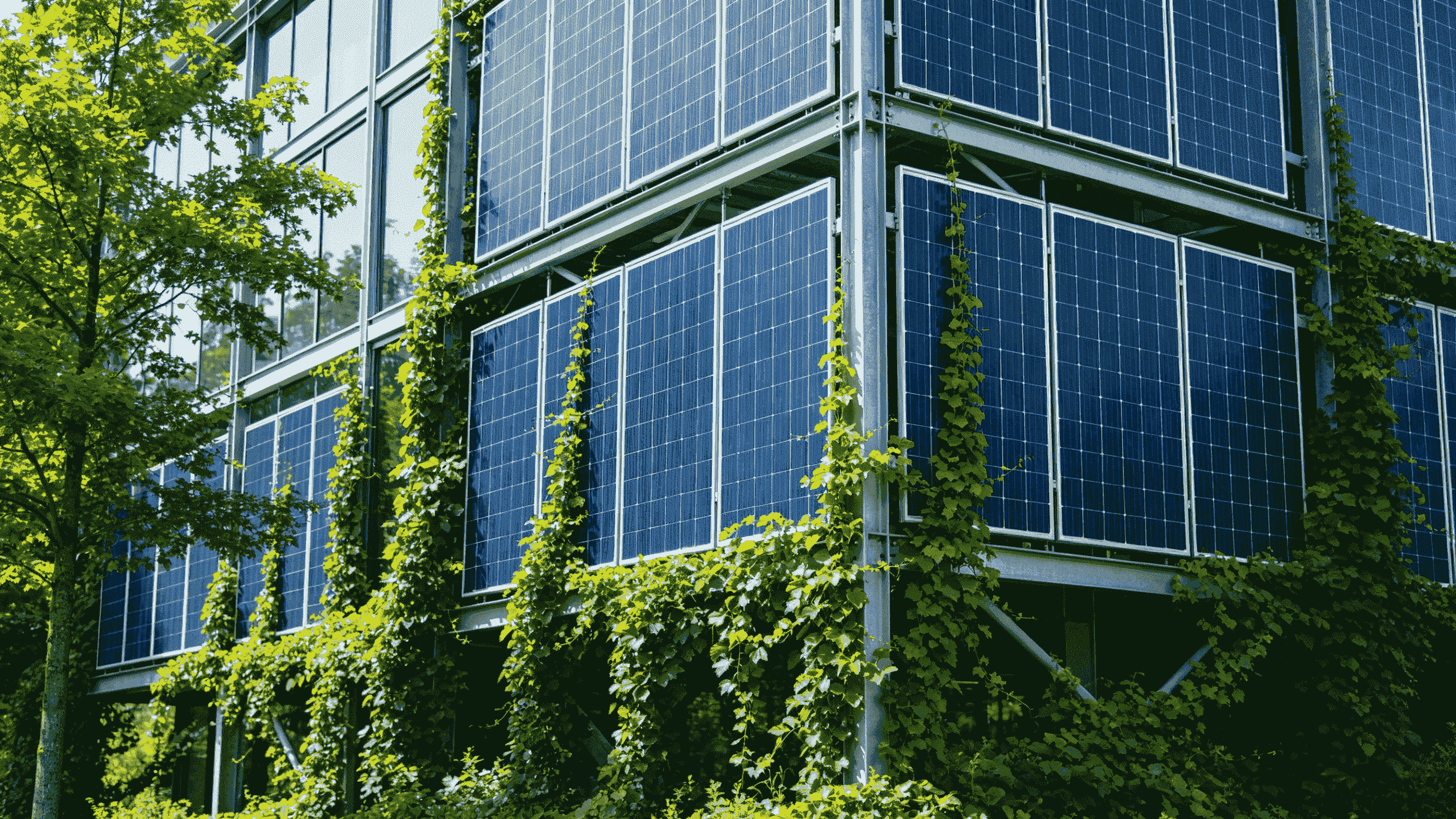
Building Information Modeling (BIM) has become the foundation of modern steel fabrication, enabling seamless collaboration between architects, engineers, and contractors throughout the project lifecycle. BIM technology creates detailed 3D digital models that contain all the information necessary for design, fabrication, and construction, eliminating errors and reducing rework . When combined with digital twin technology, BIM allows for real-time monitoring of building performance throughout its operational life, enabling predictive maintenance and optimizing energy efficiency .
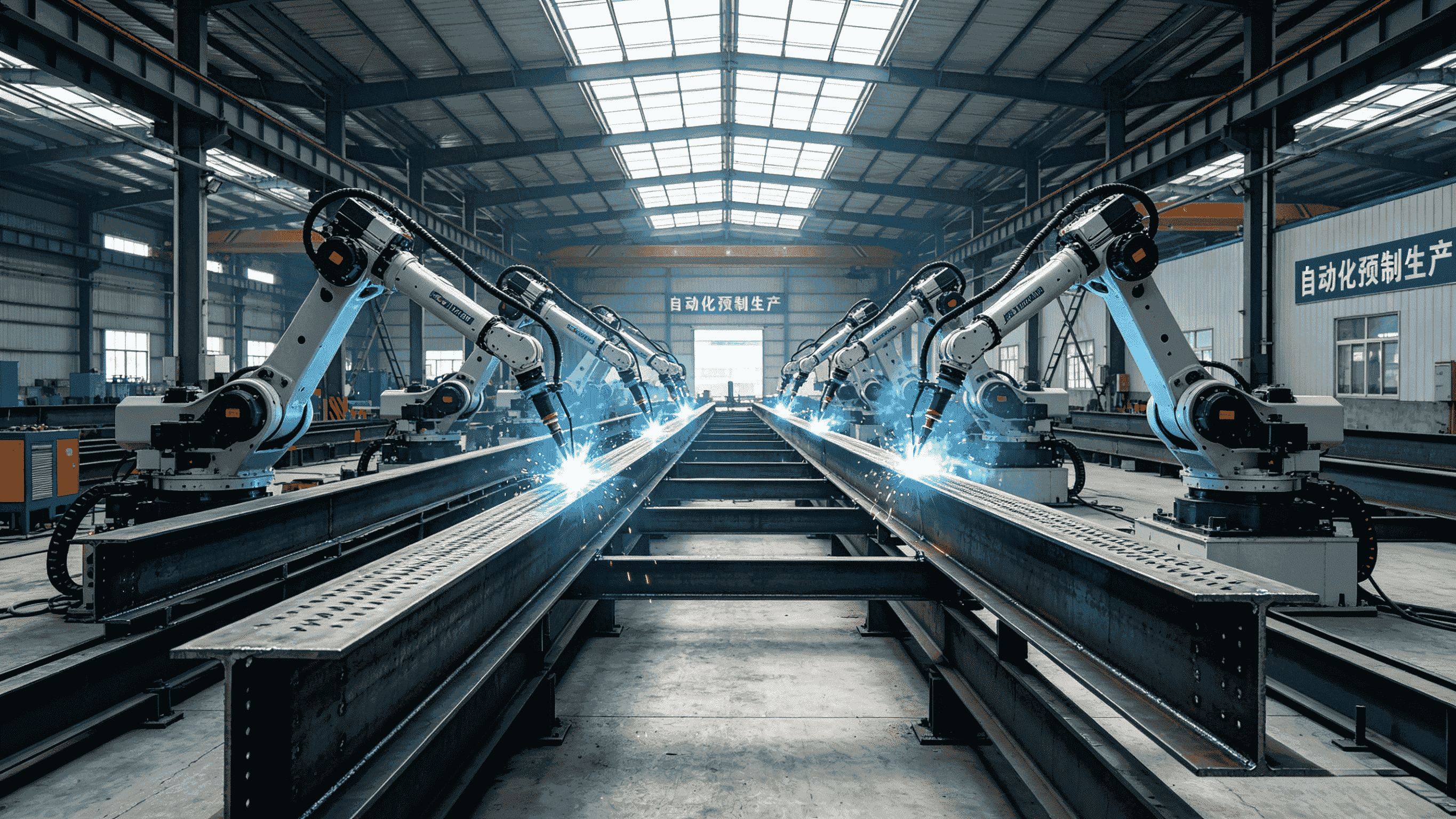
Automation and robotics have revolutionized steel fabrication processes, with modern facilities employing robotic welding systems, CNC laser cutting machines, and automated material handling systems. These technologies deliver consistent, high-quality results with tolerances measured in millimeters, while increasing production speed by up to 60% compared to manual methods . Additive manufacturing, or 3D printing, is also gaining traction in the steel industry, enabling the production of complex, custom components with minimal material waste . Technologies such as robotic wire-arc additive manufacturing (WAAM) are particularly promising for large-scale structural components, offering unprecedented design flexibility and reducing lead times .
Artificial intelligence (AI) and machine learning are being integrated into steel fabrication processes to optimize production schedules, predict equipment failures, and improve quality control. AI-powered systems can analyze vast amounts of production data to identify patterns and inefficiencies, enabling continuous process improvement . As these technologies continue to advance and become more accessible, they will further drive the evolution of the steel fabrication industry, making it more efficient, sustainable, and capable of meeting the demands of modern construction.
Conclusion
The steel construction industry is at an exciting inflection point in 2026, with prefabrication, sustainability, and digital innovation converging to create unprecedented opportunities for growth and development. Prefabricated steel structures are revolutionizing how buildings are designed and constructed, offering faster delivery times, superior quality, and greater cost predictability. Sustainable steel construction practices are helping to reduce the environmental impact of the built environment, while advanced fabrication technologies are pushing the boundaries of what is possible in structural engineering.
As a leading steel structure company, Qingdao Newforge is at the forefront of these industry trends, leveraging our expertise in prefabricated steel construction, sustainable design, and advanced fabrication technologies to deliver innovative solutions to our clients worldwide. We are committed to driving the industry forward and helping our clients achieve their construction goals while minimizing environmental impact. Whether you are planning an industrial facility, commercial building, or infrastructure project, steel structures offer the perfect combination of strength, durability, sustainability, and cost-effectiveness. Contact us today to learn more about how our steel structure solutions can benefit your next project.
Word count: 1,287 words
Keywords: prefabricated steel structures, sustainable steel construction, steel fabrication technologies, industrial steel buildings, steel structure company