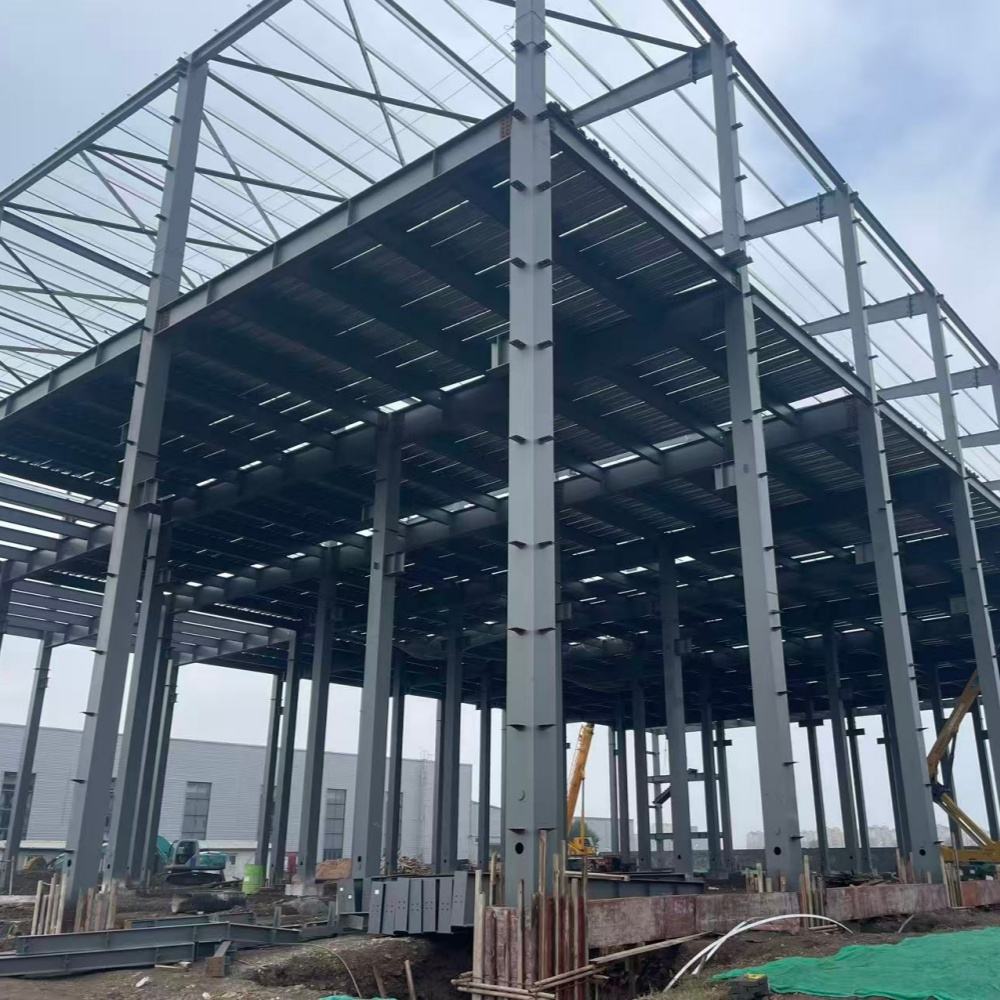
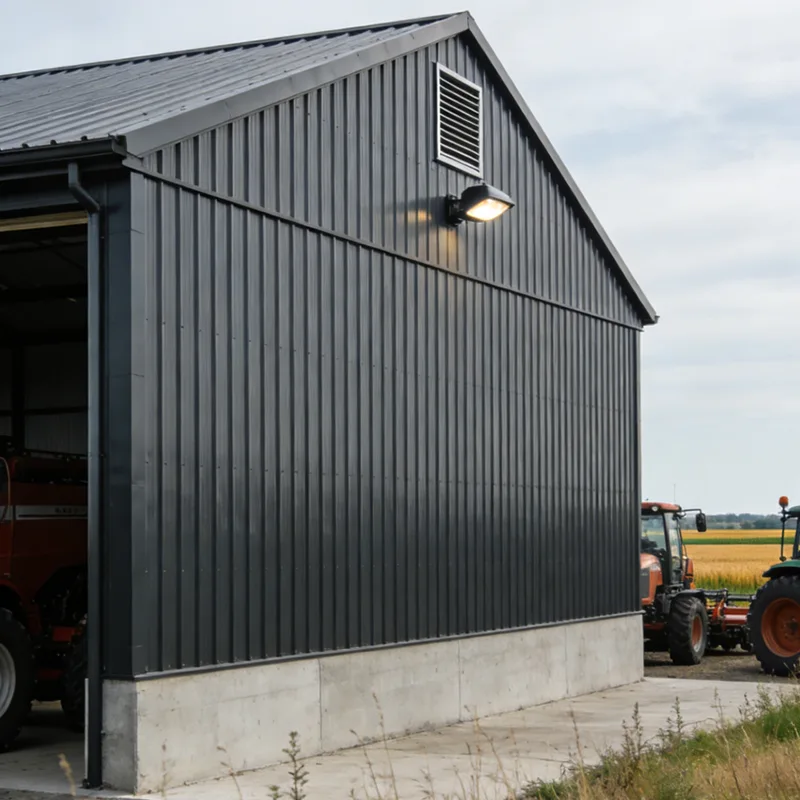
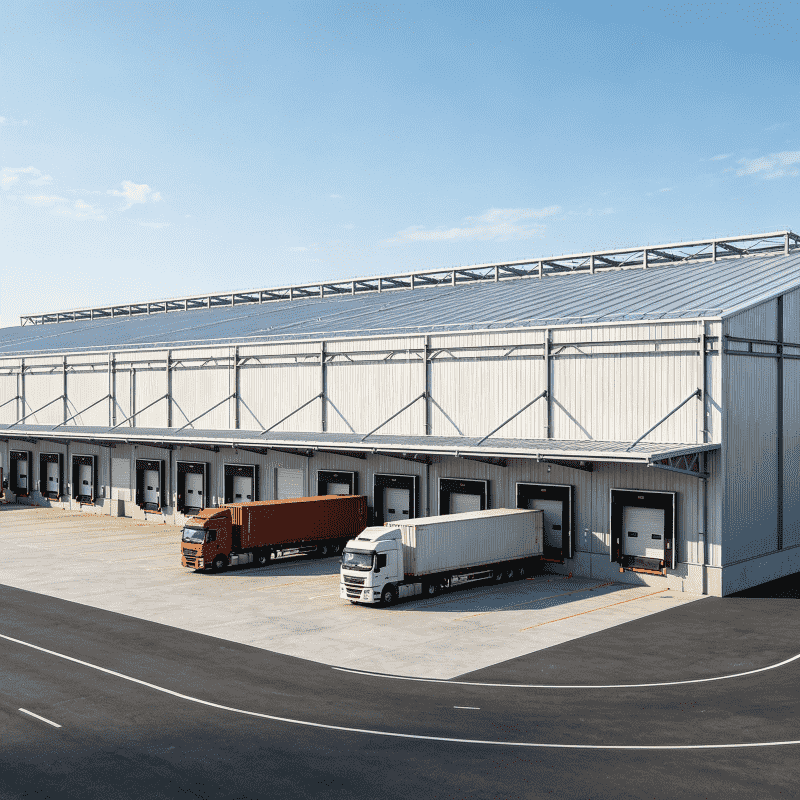
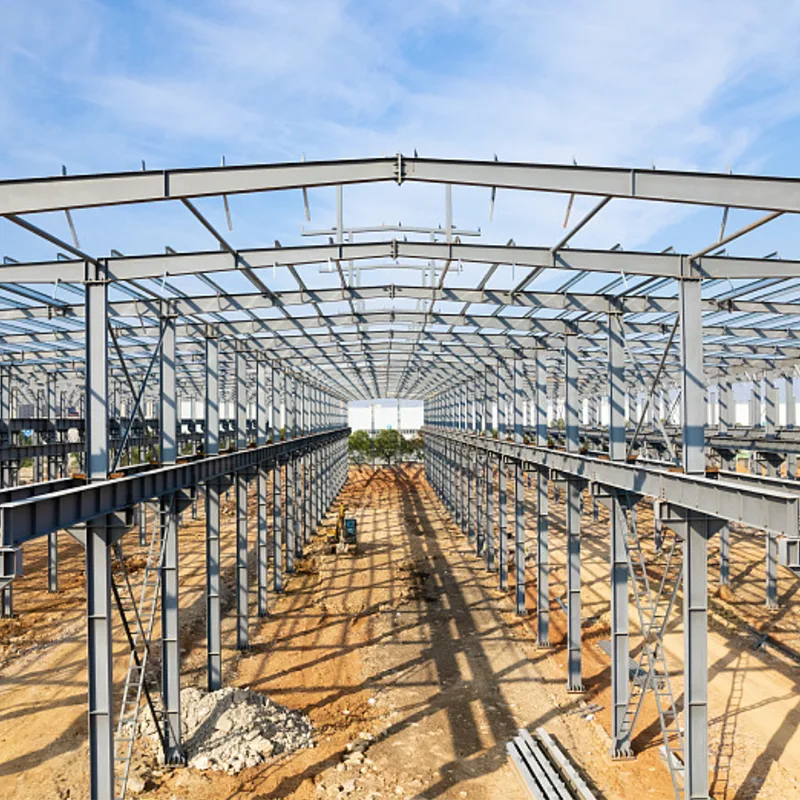
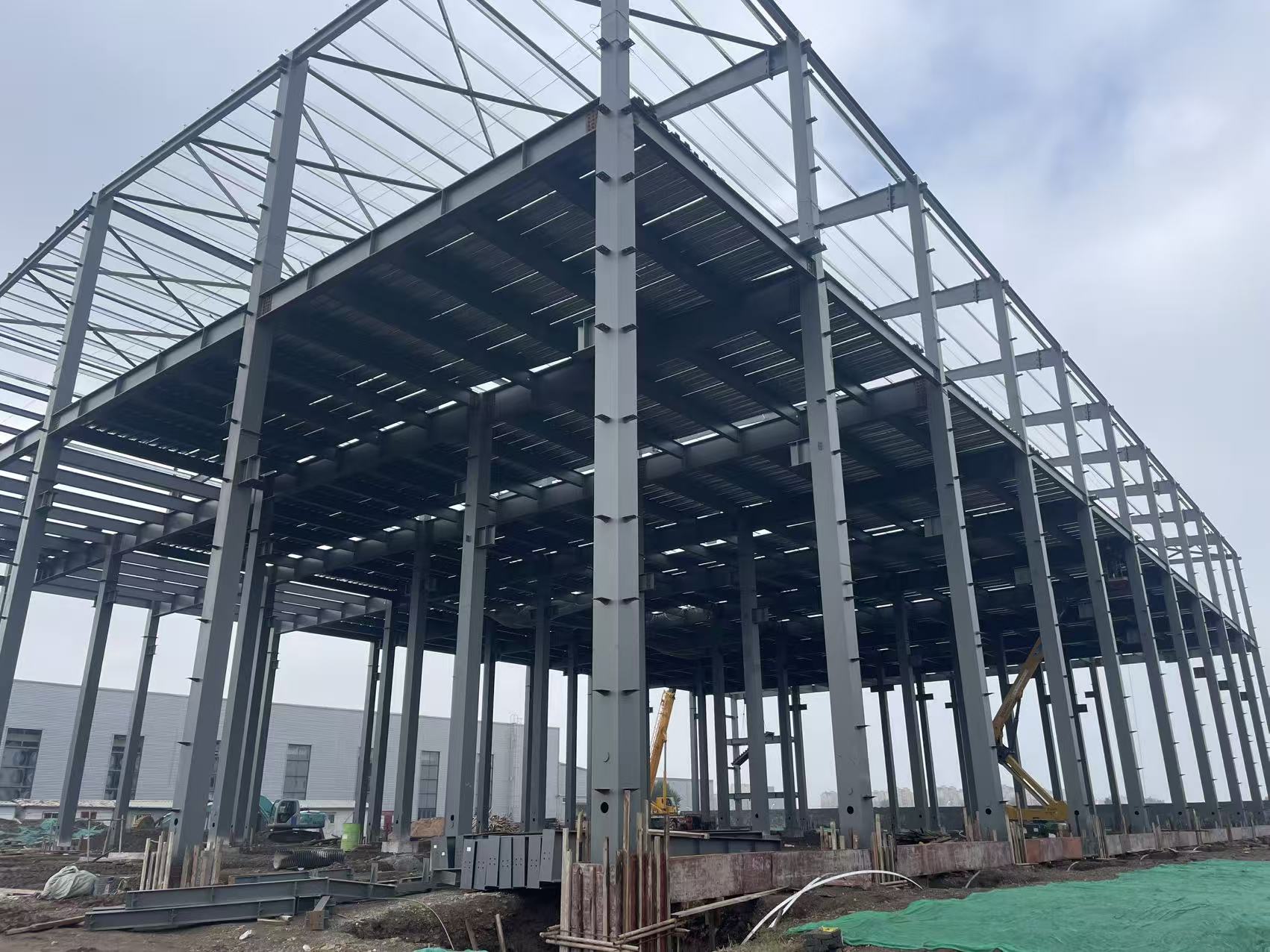
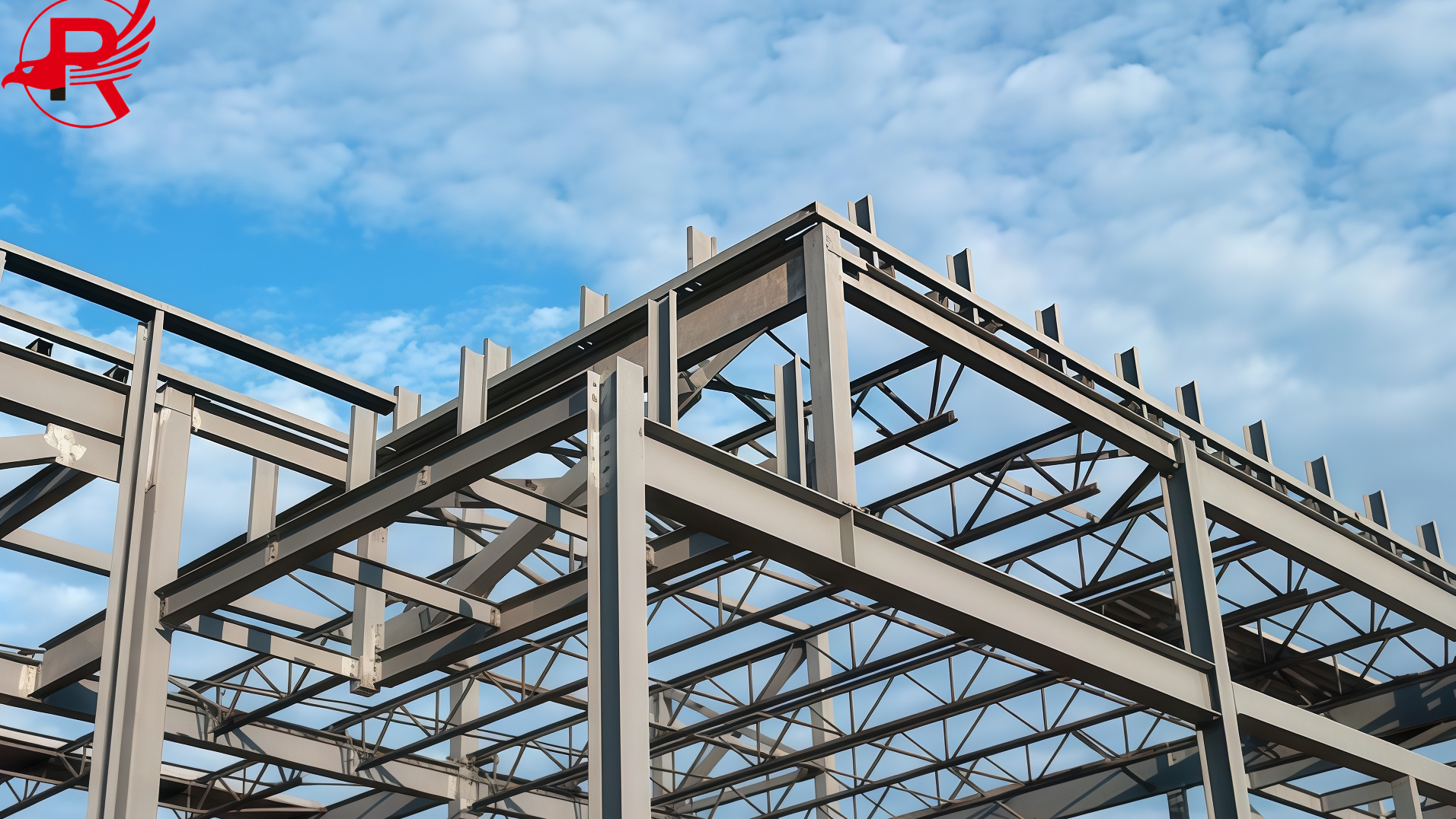
During the installation process of industrial steel structures, common problems mainly focus on foundation construction, component installation, connection quality, and on-site management. If not properly controlled, it will directly affect structural safety and construction progress.
1. Basic and embedded parts issues
Positioning axis and elevation exceed the tolerance
Deviation of the basic axis or elevation error of the supporting surface beyond the allowable range of the specifications can cause misalignment of the steel column installation, affecting the overall structural stress.
Common reasons: measurement and layout errors, loose templates, concrete settlement, or instrument calibration.
Preventive measures: Review the measurement control network before construction, use calibrated instruments, and perform secondary leveling after pouring.
Anchor bolt issue
The bolt plane position is offset, the elevation is inaccurate, the thread is damaged or no protective measures are taken, resulting in the inability to align the steel column bottom plate hole.
During transportation and installation, bolts may be impacted or used as conductive neutral wires for welding, resulting in thread damage and affecting the fastening effect.
Prevention and control suggestion: Apply Vaseline and wrap the bolts with plastic film before leaving the factory, and store them separately; Install a protective cover after installation.
2. Deviation in component installation and assembly
Deformation during transportation and stacking of components
During transportation, components may experience dead or slow bends due to unreasonable support points or collisions, which can affect installation accuracy.
Suggestion: Reasonable support points should be set up during transportation, and the stacking area should be flat and solid to avoid multiple layers of stacking.
Misalignment of steel columns and beams
After correction, the docking groove is too small or the misalignment exceeds the tolerance, resulting in welding difficulties or insufficient strength.
Reason: Production size deviation, unreasonable assembly process, or failure to adjust accumulated errors in a timely manner.
Control method: Use a pre assembly platform to strictly control the welding sequence and shrinkage.
The vertical deviation of the steel roof truss is too large
Improper installation process or lateral bending during production, resulting in excessive verticality.
Solution: Use a theodolite or plumb line for calibration, and check the geometric dimensions before installation.
3. Connection quality issues
The installation of high-strength bolts is not standardized
Bolts are used for both installation and installation, with missing threads, incorrect direction of washers, or failure to tighten according to torque requirements.
Forcefully expanding the hole when the bolt holes do not coincide can damage the friction surface and reduce the shear resistance.
Key control point: The bolt should be inserted freely, and the initial and final tightening should be carried out step by step. After the final tightening, the torque value should be randomly checked.
Welding defects
There are problems such as porosity, slag inclusion, incomplete penetration, and cracks in the weld seam, especially in the first and second level welds where ultrasonic testing was not performed.
The failure to use a starting arc plate on site resulted in a defect at the starting arc point.
Response measures: Check the drying condition of the welding rod before welding, the welder must hold a certificate to work, and conduct inspections according to regulations after welding.
4. Environmental and management factors
Neglecting the effects of temperature difference and sunlight
During the day, sunlight exposure causes the temperature on the sunny side of the steel column to be higher than that on the shady side, resulting in thermal deformation and affecting the accuracy of verticality measurement and calibration.
Suggestion: Choose morning or cloudy days for key measurements and calibration.
Poor on-site management
Chaotic material stacking, improper worker operation, and inadequate safety protection can easily lead to quality and safety accidents.
We should establish a management system, clarify responsible persons, and regularly conduct quality and safety briefings.
We use cookies to offer you a better browsing experience, analyze site traffic and personalize content. By using this site, you agree to our use of cookies. Privacy Policy